What This Document Is
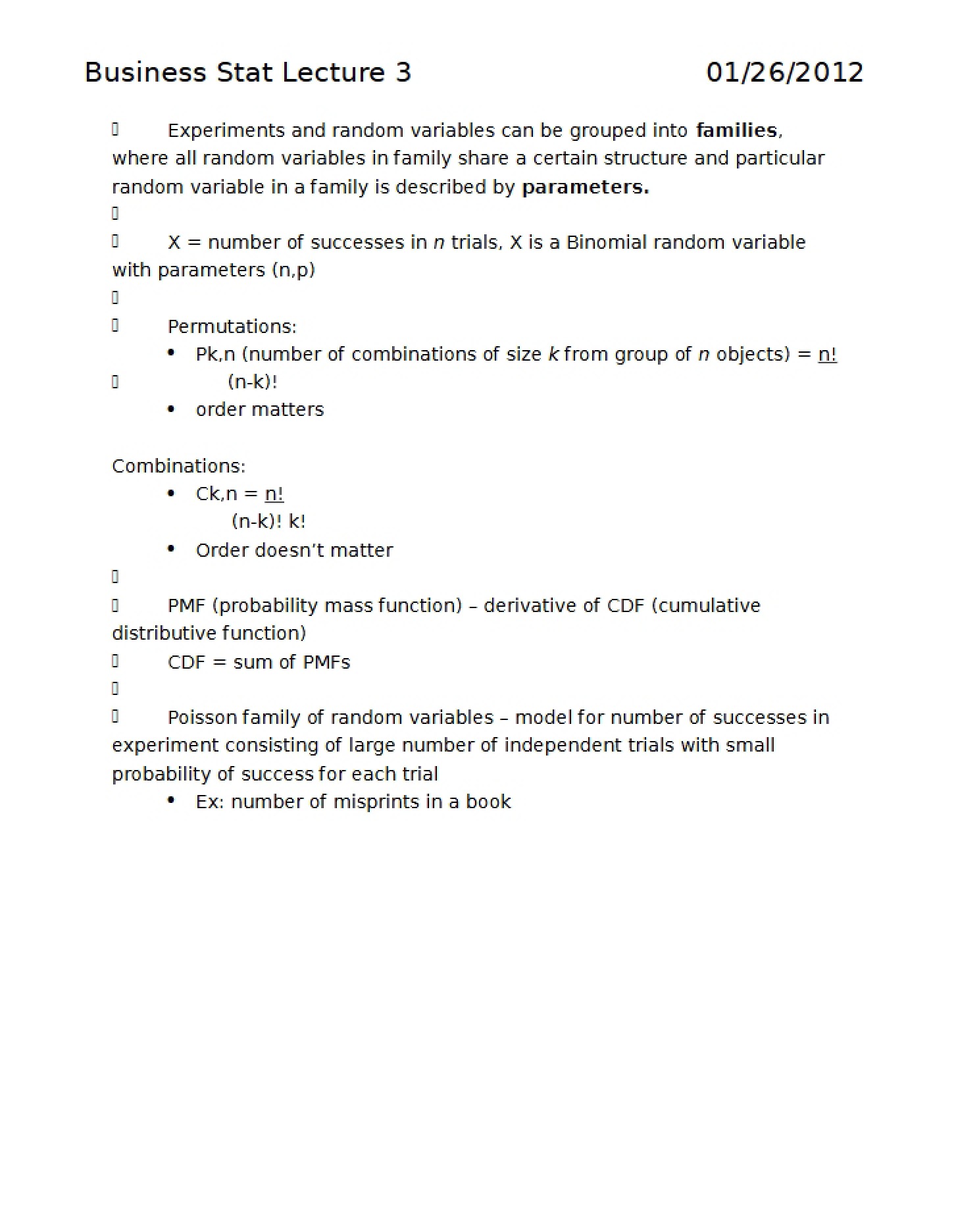
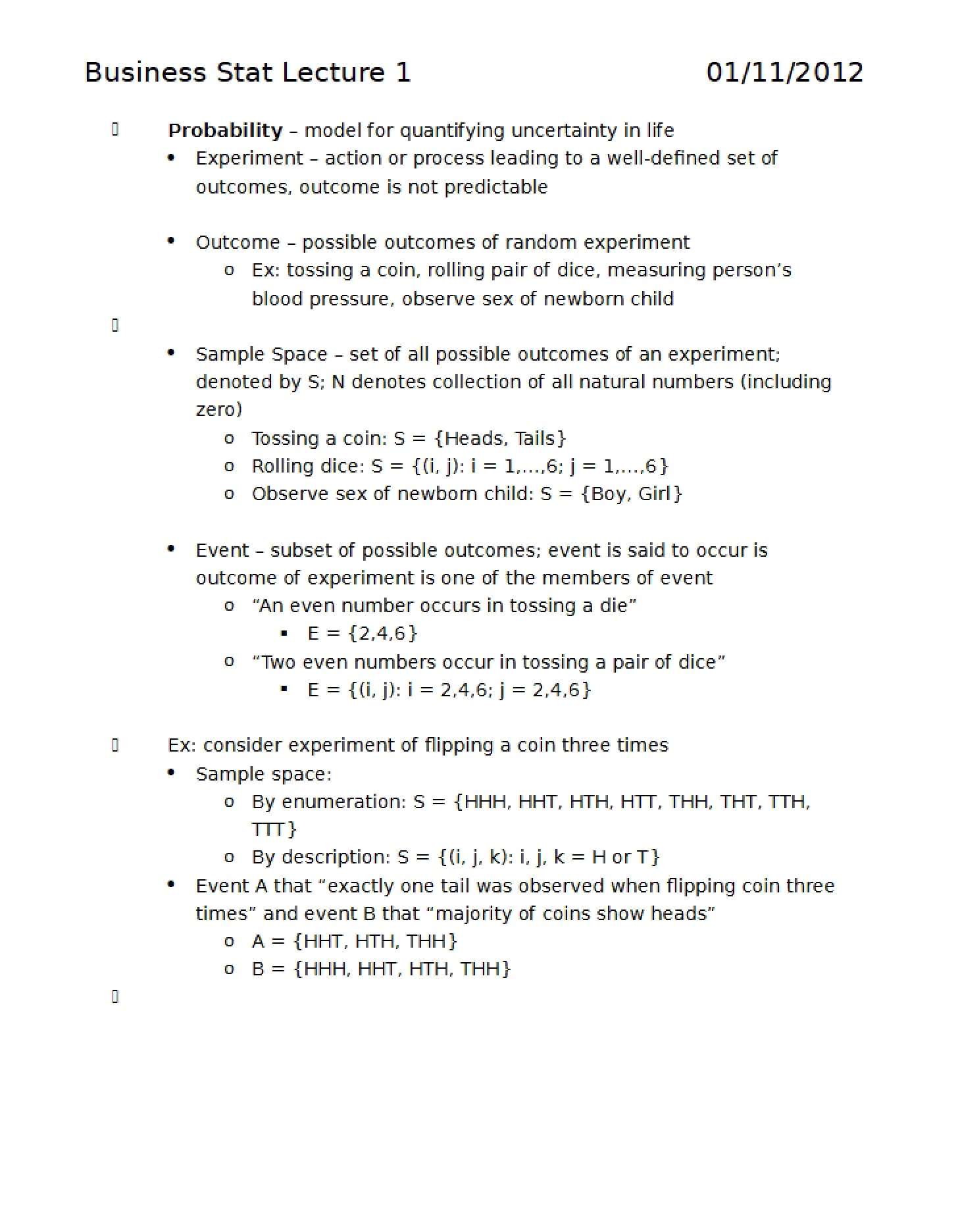
This material provides a focused exploration of sampling distributions, a core concept within Applied Business Statistics. It delves into the theoretical foundations underpinning statistical inference – how we draw conclusions about larger populations based on sample data. The content builds upon foundational statistical principles and prepares students to understand more advanced topics in hypothesis testing and confidence intervals. It appears to be lecture notes, likely accompanied by practical exercises.
Why This Document Matters
Students enrolled in a business statistics course, particularly BUAD 310 at the University of Southern California, will find this resource invaluable. It’s especially helpful for those seeking a deeper understanding of the relationship between sample statistics and population parameters. This material is most beneficial when studying for exams, completing assignments requiring statistical analysis, or preparing for data-driven decision-making in a business context. Understanding sampling distributions is crucial for interpreting statistical results and avoiding common pitfalls in data analysis.
Common Limitations or Challenges
This resource focuses on the *concepts* behind sampling distributions. It does not provide a comprehensive statistical software tutorial, nor does it offer pre-solved problems or step-by-step calculations for every scenario. It’s designed to build intuition and understanding, and assumes a basic familiarity with descriptive statistics. Access to statistical software (like Excel) is likely needed to fully apply the concepts discussed, but specific software instructions are not included within this material.
What This Document Provides
* An explanation of what a sampling distribution *is* and how it’s constructed.
* Discussion of the importance of sample size in relation to the accuracy of statistical estimates.
* Introduction to the concept of Standard Error and its role in quantifying variability.
* Exploration of the relationship between sampling distributions and inferential statistics.
* An overview of the Central Limit Theorem and its implications for statistical analysis.
* Consideration of potential sources of error when using samples to estimate population characteristics.