What This Document Is
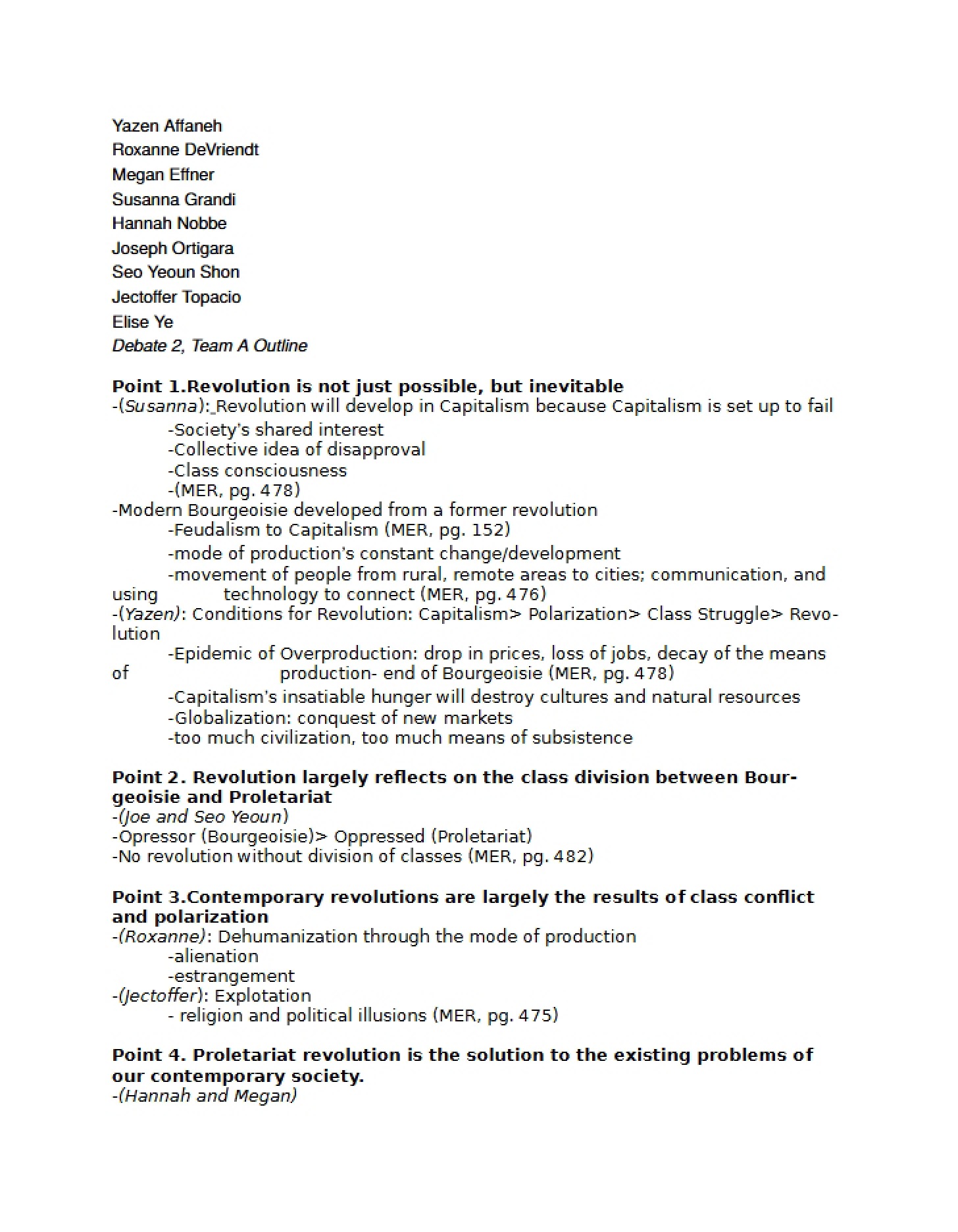
This resource is a detailed outline prepared by students for a debate within an introductory sociological theory course at the University of Illinois at Urbana-Champaign. It centers on critical analyses of societal shifts and potential for large-scale change, drawing heavily from foundational theoretical frameworks. The outline explores complex relationships between economic systems, social structures, and collective action, specifically focusing on interpretations of historical and contemporary dynamics. It’s designed to present a structured argument regarding the potential for and drivers of revolutionary movements.
Why This Document Matters
This study guide is invaluable for students grappling with the core tenets of sociological theory, particularly those focused on conflict theory and historical materialism. It’s especially helpful when preparing for class discussions, formulating debate arguments, or seeking a deeper understanding of the factors considered crucial to understanding societal upheaval. Students preparing to analyze real-world events through a sociological lens will find the framework presented here particularly useful. It’s best utilized *after* initial engagement with core course readings to solidify comprehension and explore nuanced perspectives.
Common Limitations or Challenges
This outline represents one team’s interpretation and preparation for a debate. It does not offer a comprehensive survey of *all* perspectives on revolution or societal change. It focuses on a specific argumentative structure and may not cover alternative viewpoints in equal measure. Furthermore, it’s a student-created resource, and while aiming for accuracy, it should be used in conjunction with assigned course materials and instructor guidance. It does not provide definitive answers or a substitute for independent critical thinking.
What This Document Provides
* A structured exploration of arguments surrounding the inevitability of revolution.
* An examination of the relationship between economic systems and social stratification.
* Key concepts related to class dynamics, including definitions of dominant and oppressed groups.
* Points of consideration regarding the conditions that may foster revolutionary movements.
* Discussion points concerning potential obstacles to revolution in specific contexts.
* References to specific page numbers within a core course text ("MER").