What This Document Is
This is a comprehensive review resource designed to help students prepare for a midterm examination in CMN 232: Intro to Intercultural Communication at the University of Illinois at Urbana-Champaign. It focuses on synthesizing key concepts and approaches discussed throughout the first half of the course, aiming to solidify understanding of foundational theories and thinkers in the field. This resource is structured to aid in focused study and self-assessment before a significant evaluation.
Why This Document Matters
This review is invaluable for students seeking to confidently approach their midterm exam. It’s particularly helpful for those who want to test their grasp of complex intercultural communication models and ensure they can articulate the core contributions of major scholars. Utilizing this resource can help students identify areas where further review may be beneficial, leading to improved performance and a deeper understanding of the subject matter. It’s best used in the week leading up to the exam, alongside existing notes and course materials.
Topics Covered
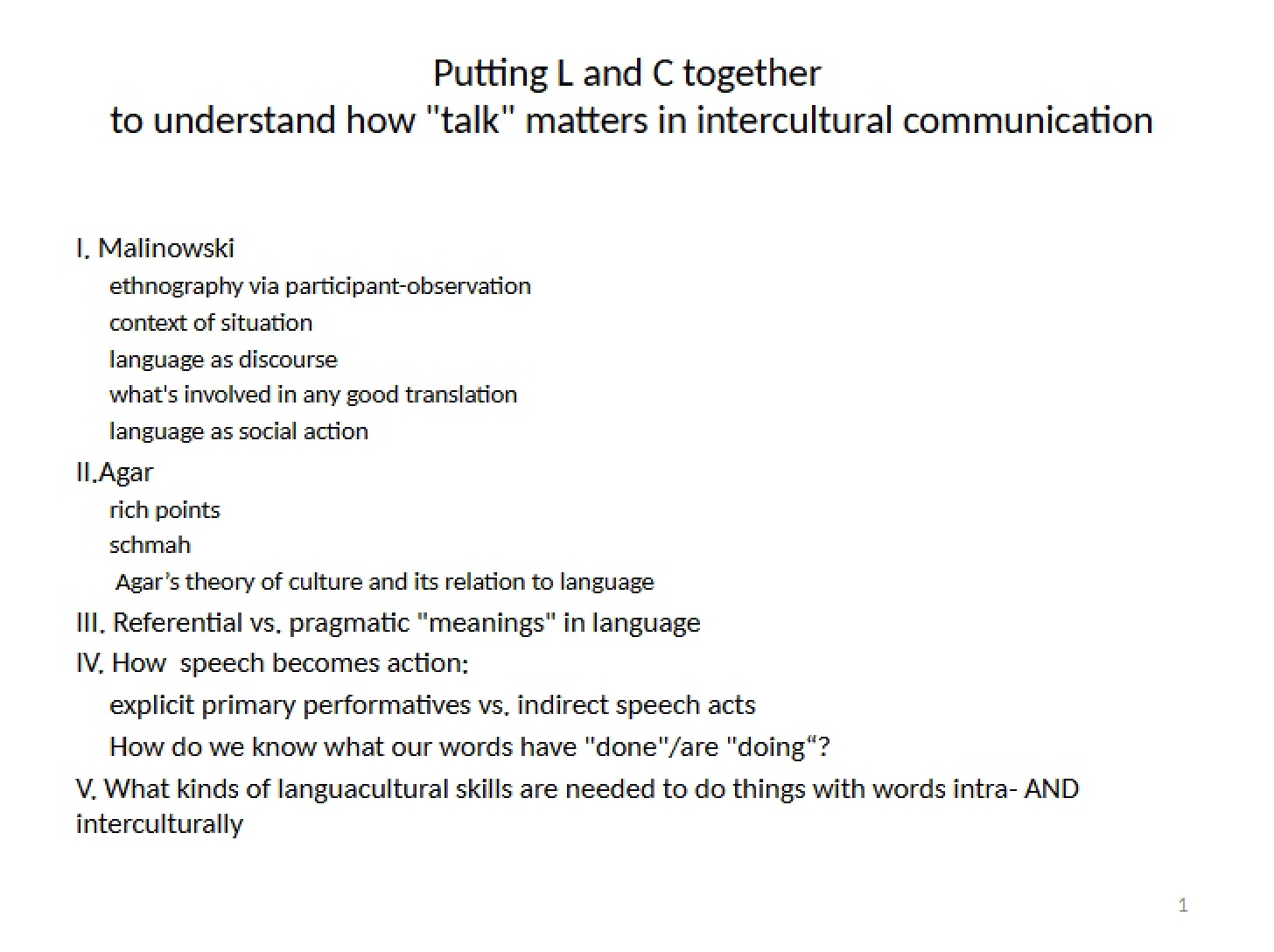
* Foundational approaches to studying intercultural communication
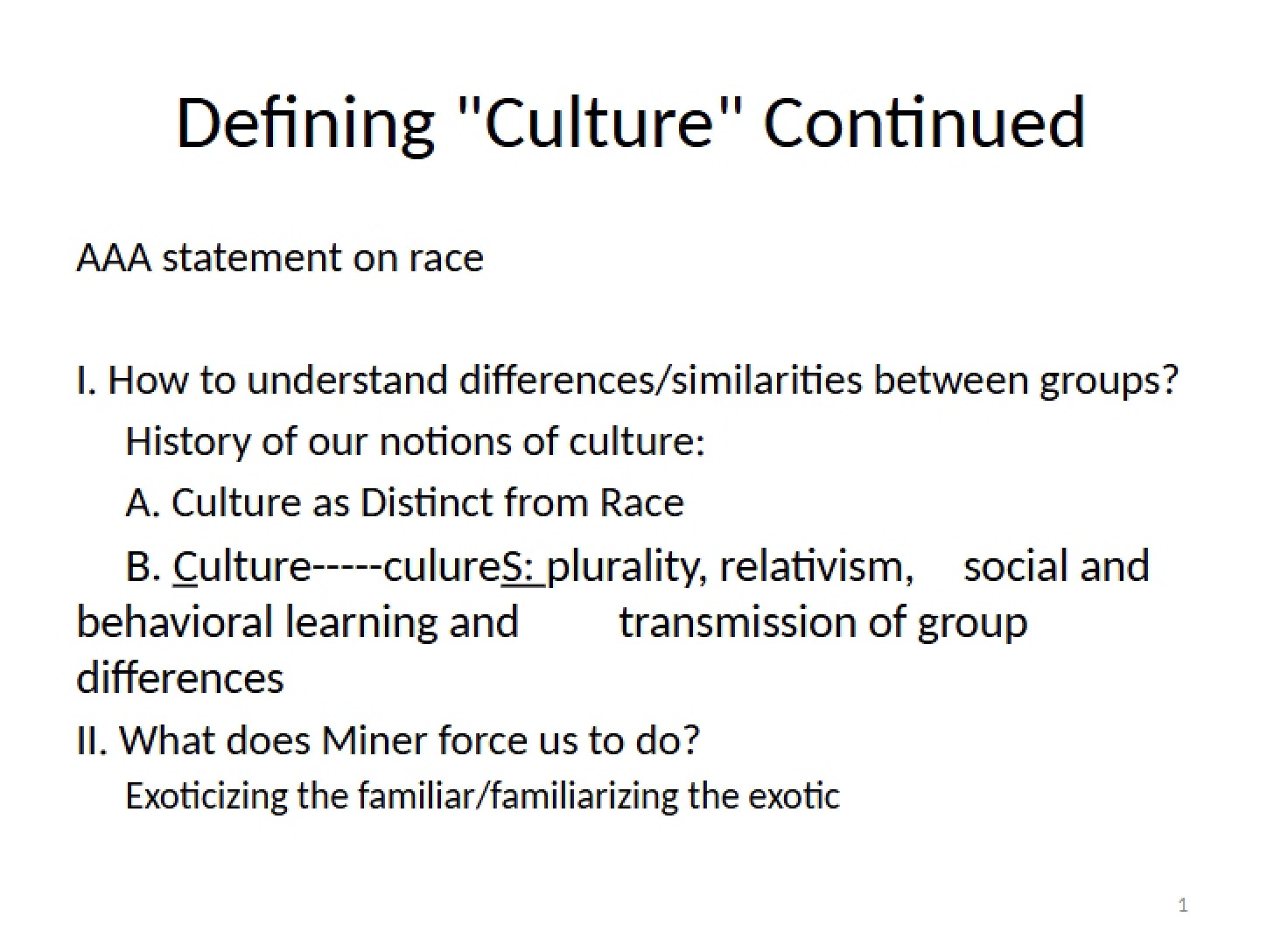
* Key concepts related to culture – definitions and complexities
* The relationship between culture, communication, and identity
* The role of context in interpreting meaning
* The social construction of race and its relationship to culture
* Historical perspectives on the study of culture and intercultural relations
* Ethical considerations in intercultural communication
* The impact of globalization and technology on intercultural interactions
What This Document Provides
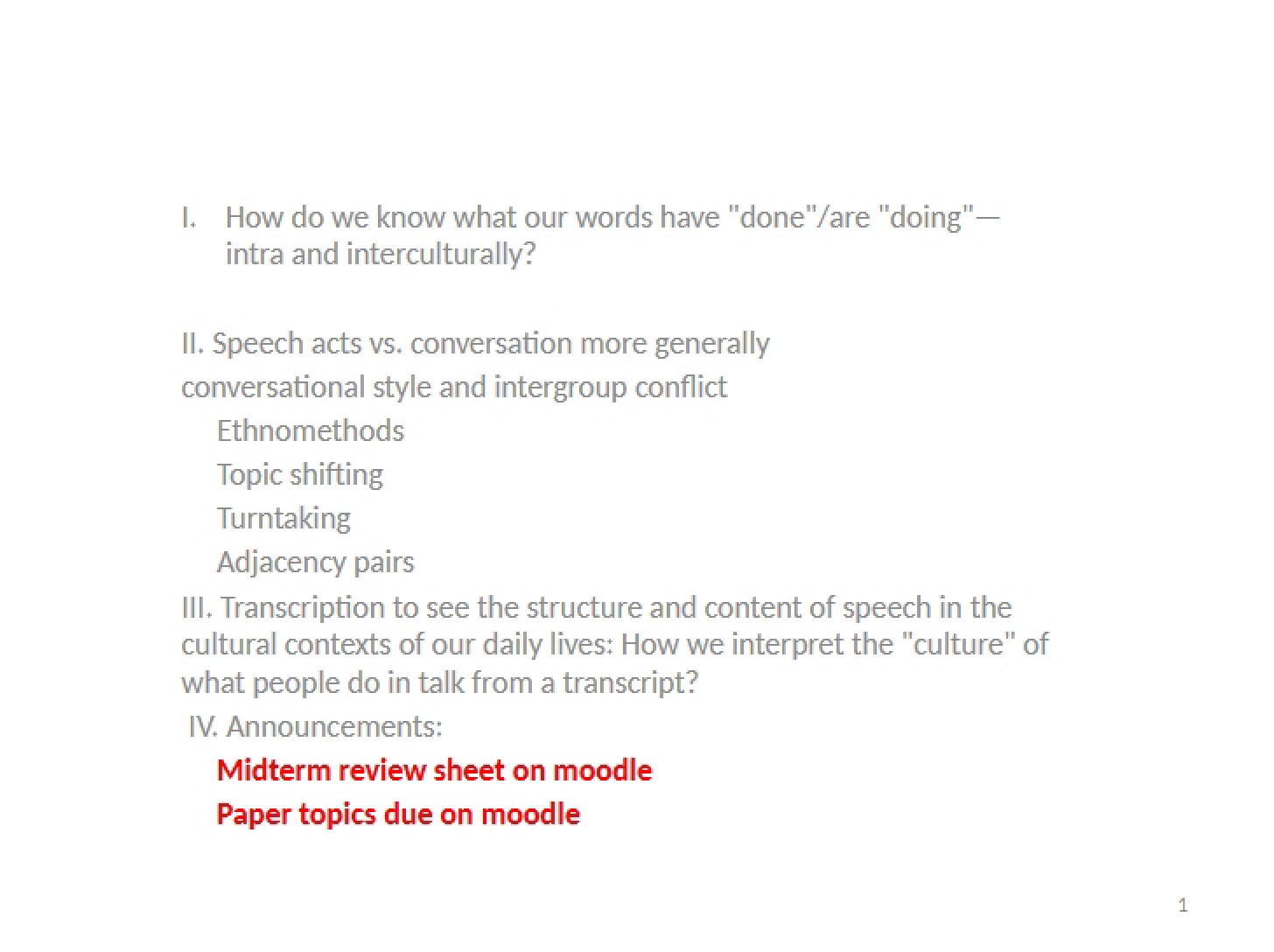
* An overview of the exam format, including the weighting of different question types.
* A list of the core authors and their work that will be assessed on the midterm.
* Guidance on effective note-taking strategies for exam preparation.
* A framework for understanding and comparing different theoretical perspectives.
* Key themes and ideas associated with each scholar and their contributions to the field.
* Considerations for demonstrating understanding beyond rote memorization.