What This Document Is
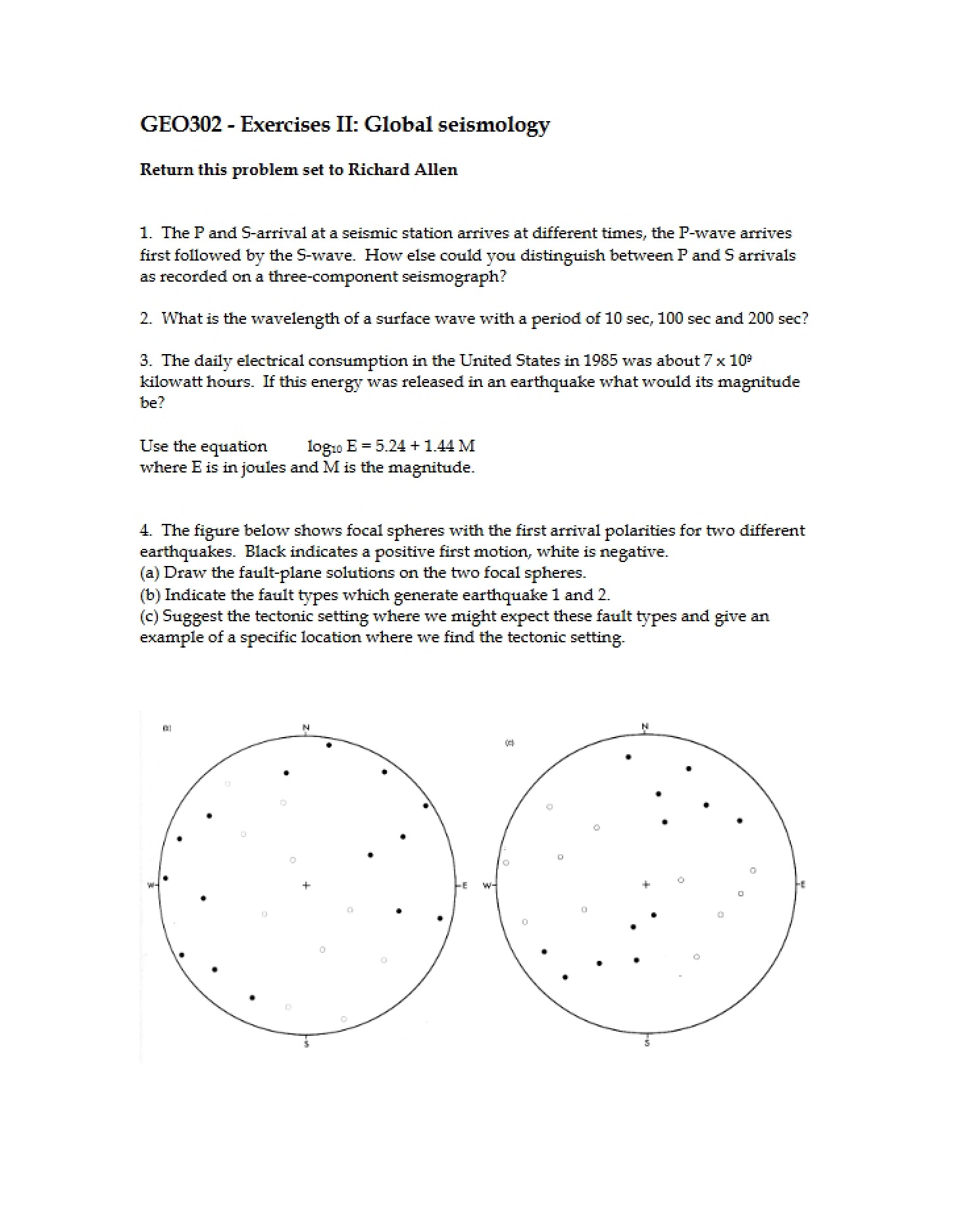
This study guide contains a series of exercises focused on the geochemistry of Earth’s interior. It’s designed to help students apply theoretical knowledge to practical problems relating to the chemical and physical evolution of our planet, specifically concerning the mantle and crust. The exercises utilize geochemical datasets and require analytical skills to interpret the data. It’s intended as a hands-on learning experience to reinforce concepts presented in the Effective Scientific Communication (GEOG C302) course at UC Berkeley.
Why This Document Matters
This resource is ideal for geology students, particularly those specializing in geochemistry or petrology, who are looking to deepen their understanding of Earth’s internal processes. It’s most beneficial when used alongside lecture materials and textbooks, serving as a practical application of core concepts. Students preparing for exams or working on related research projects will find these exercises particularly valuable for honing their analytical and problem-solving abilities. It’s a great way to test your understanding of how geochemical data can be used to reconstruct Earth’s history.
Topics Covered
* Magma genesis and evolution
* Fractional crystallization processes
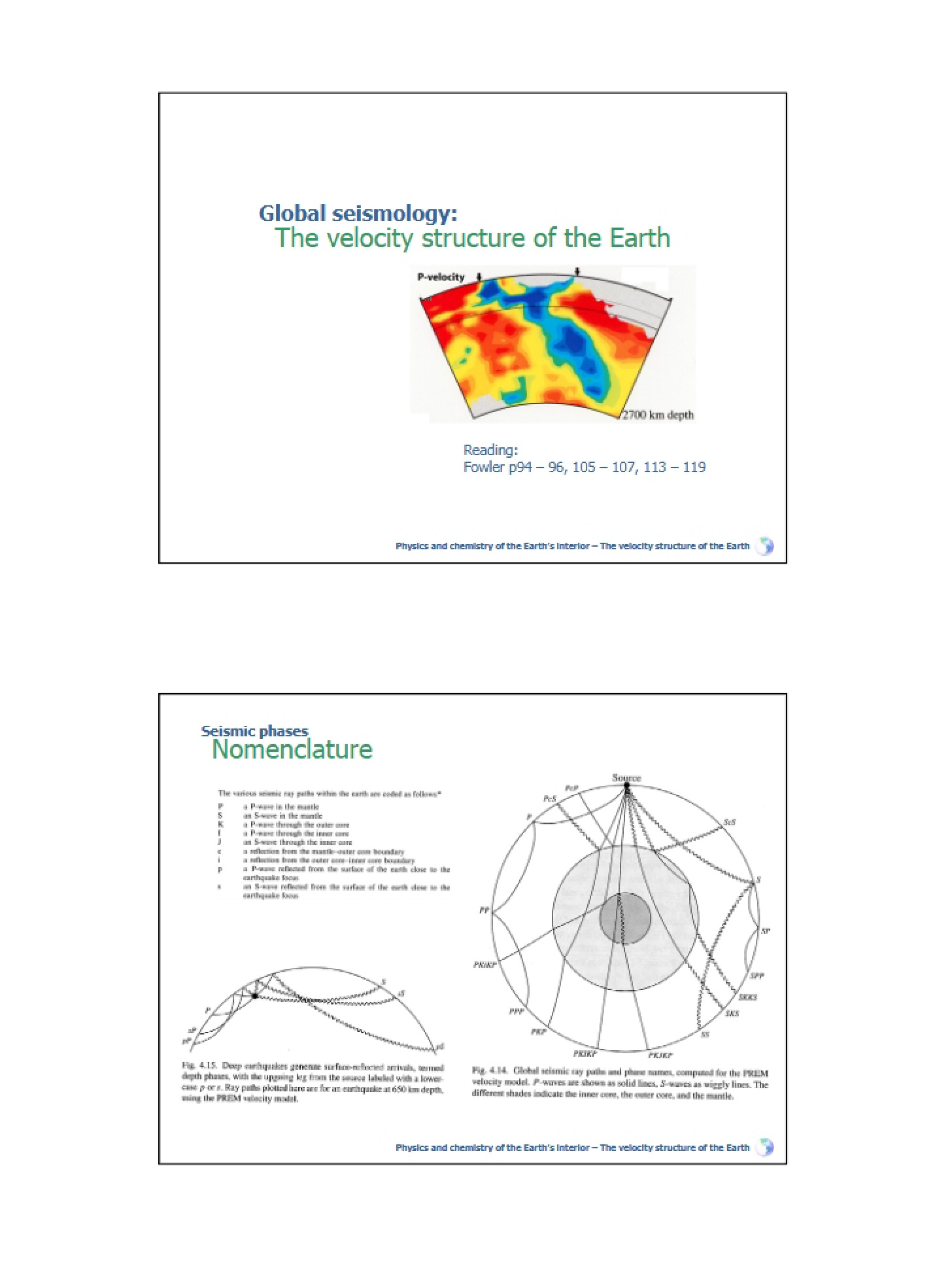
* Geochemical signatures of mantle and crustal materials
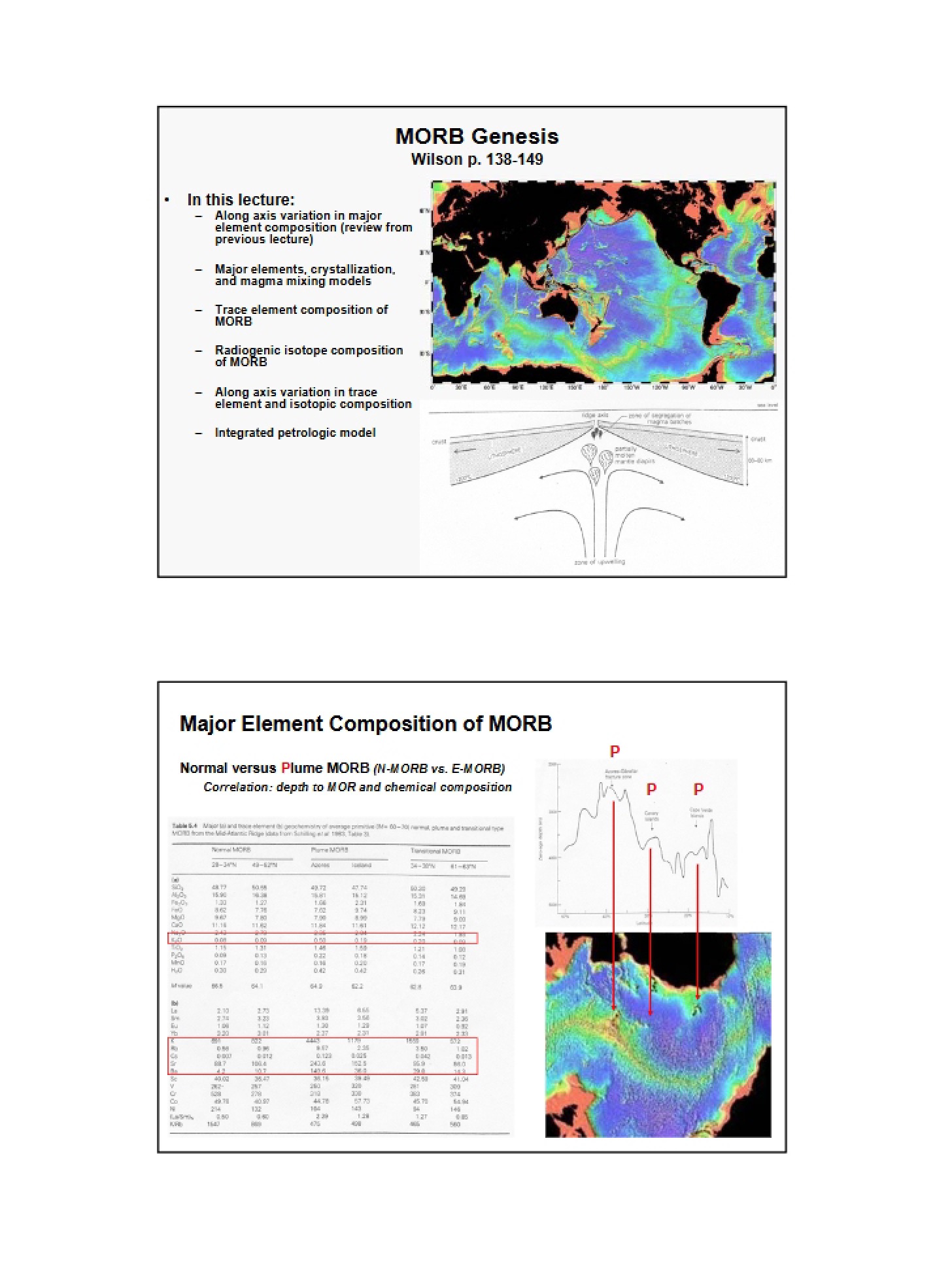
* Major and trace element geochemistry
* Radiogenic isotope geochemistry (Sr, Nd, Pb)
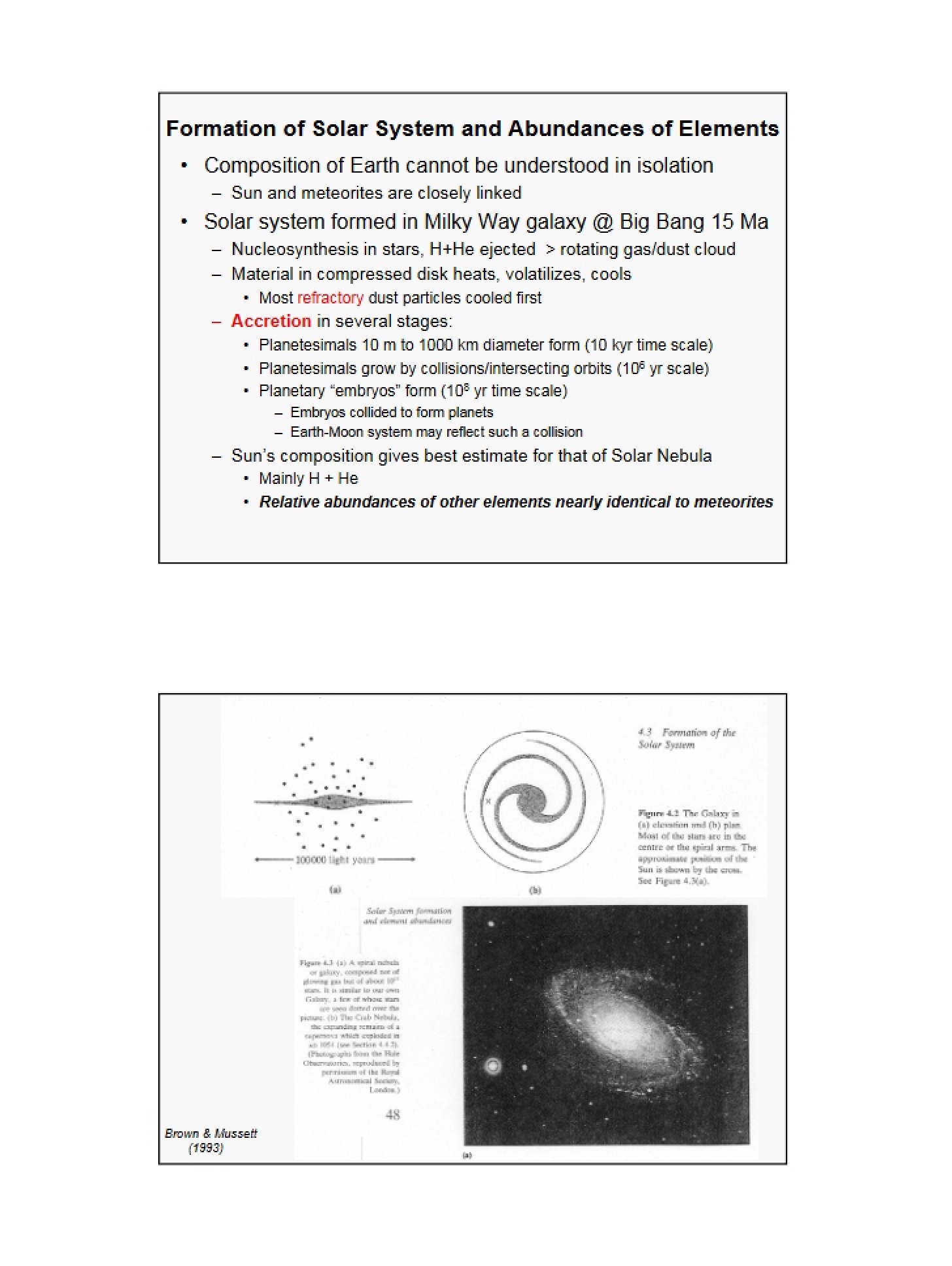
* Comparative planetology – relating Earth processes to other planetary bodies
* Data analysis and interpretation using geochemical datasets
What This Document Provides
* Detailed exercise prompts designed to stimulate critical thinking.
* Access to accompanying datasets in spreadsheet format for practical analysis.
* Opportunities to apply geochemical principles to real-world geological scenarios.
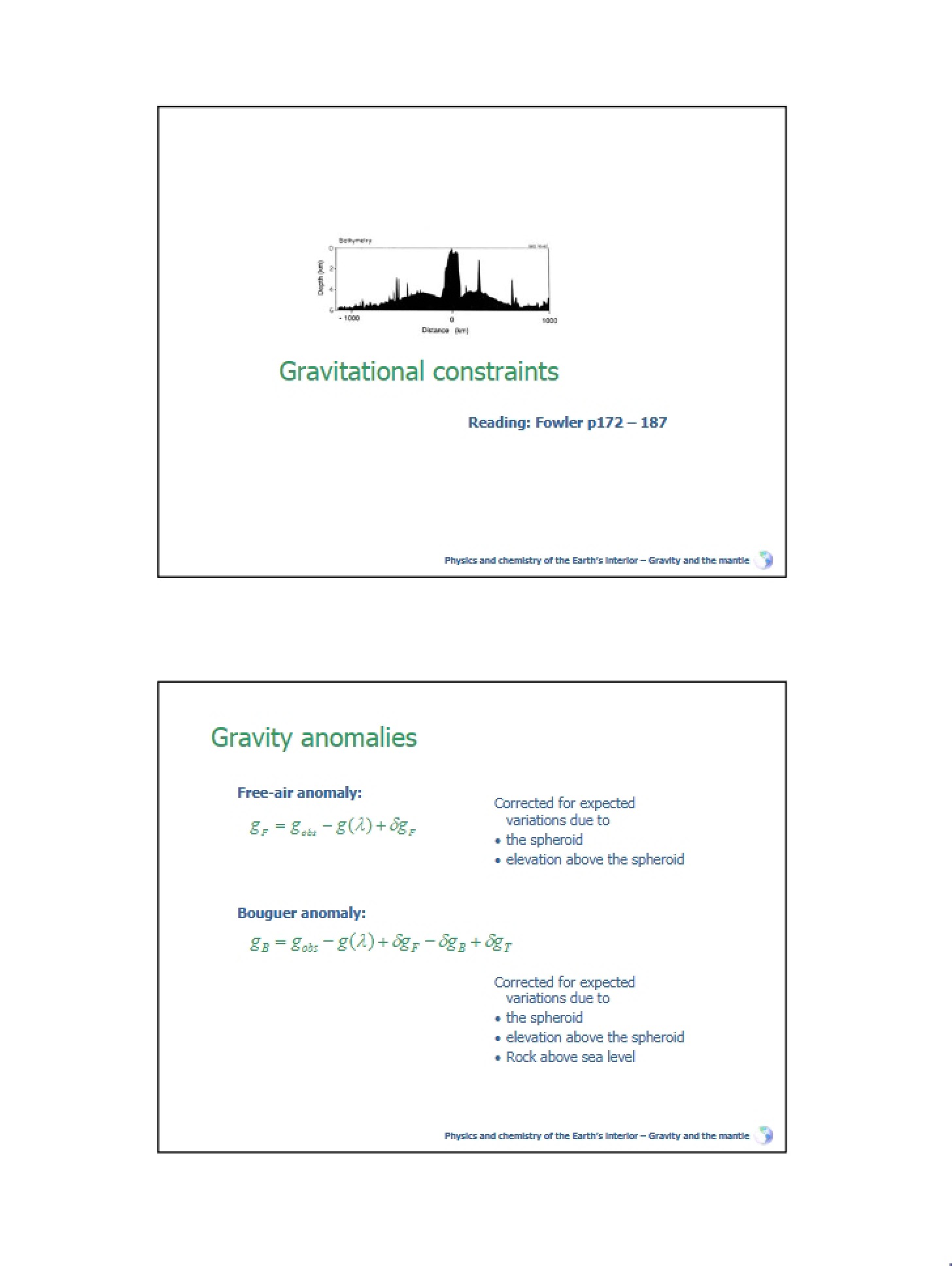
* A framework for interpreting geochemical data related to volcanic and mid-ocean ridge systems.
* Guidance on utilizing geochemical data to understand planetary differentiation.