What This Document Is
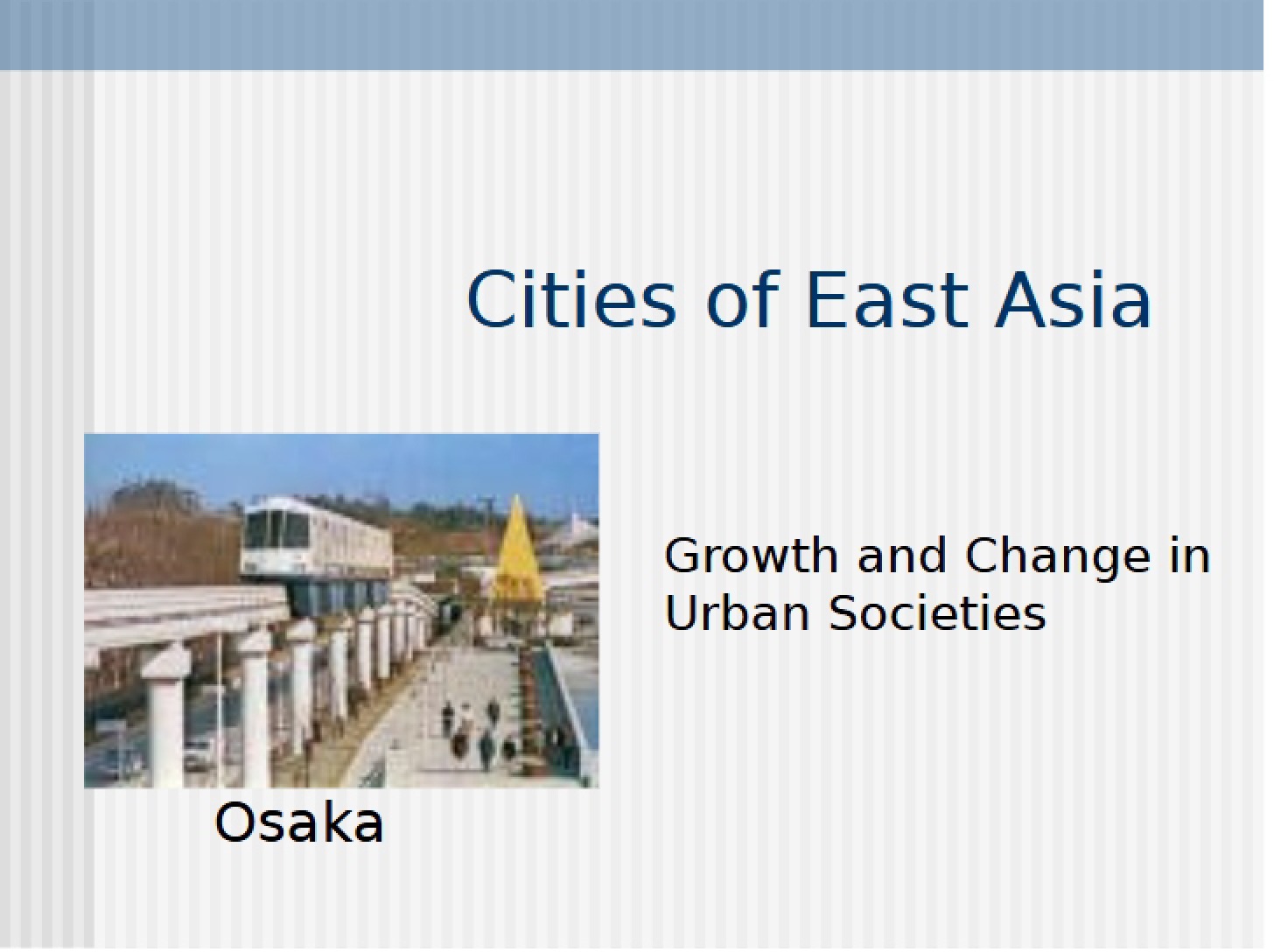
This study guide provides a focused exploration of urbanization patterns and historical influences within East Asian cities. Specifically, it delves into the unique characteristics of urban development in China, Japan, South Korea, Taiwan, Hong Kong, and Mongolia. It examines the interplay between historical legacies, economic shifts, and colonial impacts on the formation and growth of cities in this dynamic region. The material is geared towards students in advanced urban studies and related social science disciplines.
Why This Document Matters
Students enrolled in courses like Growth and Change in Urban Society (URS 2000) at Wright State University – or similar programs examining global urbanization – will find this resource particularly valuable. It’s ideal for supplementing lectures, preparing for in-depth discussions, and building a foundational understanding of East Asian urban landscapes. This guide is most helpful when you need a concentrated overview of the region’s urban history and current conditions, offering context for more specialized studies. It’s designed to enhance your comprehension of complex urban processes within a specific geographical and cultural context.
Common Limitations or Challenges
This guide offers a broad overview and does not provide exhaustive coverage of every city or urban issue within East Asia. It focuses on key themes and historical trends, and does not include detailed statistical data for every urban center. Furthermore, it presents a snapshot of urban development up to a certain point in time and doesn’t necessarily reflect the very latest changes or localized variations within individual cities. It is intended as a starting point for research, not a complete and definitive resource.
What This Document Provides
* An overview of key demographic and urbanization statistics for East Asia.
* A comparative analysis of urban development trajectories in China versus industrialized East Asian nations.
* Exploration of the historical roots of Chinese cities, including the influence of dynastic periods and spatial organization.
* Discussion of the impact of colonialism and treaty ports on the urban landscape of East Asia.
* Insights into the unique characteristics of cities like Kyoto and their connections to broader cultural and historical patterns.
* Context regarding the economic opening of China and Mongolia and its effect on urbanization.