What This Document Is
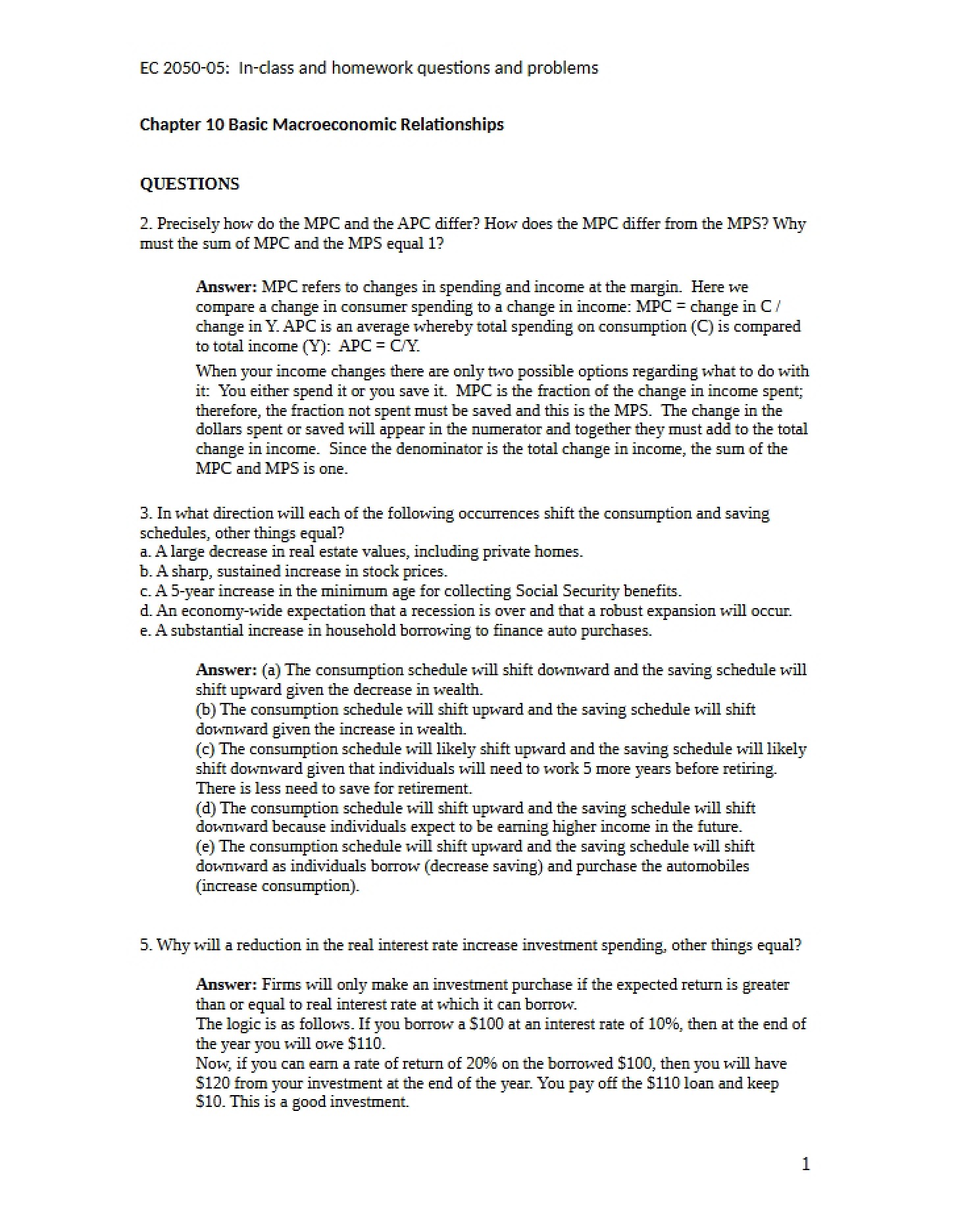
This is the official syllabus for EC 2050-05, Principles of Macroeconomics, at Wright State University for a Wednesday evening section. It serves as a comprehensive guide outlining the course structure, expectations, and policies for students enrolled in the class. It details the foundational elements of the course, setting the stage for a semester-long exploration of macroeconomic principles.
Why This Document Matters
This syllabus is essential for any student registered for or considering enrolling in EC 2050-05. It clarifies crucial information regarding course logistics, grading criteria, and the instructor’s expectations. Reviewing this document *before* the course begins will help you understand the workload, required materials, and how your performance will be evaluated. It’s a vital resource for planning your semester and ensuring you’re well-prepared for success in this introductory economics course. It’s particularly useful for understanding how the course contributes to broader university learning objectives.
Common Limitations or Challenges
This syllabus provides an overview of the course but does *not* contain the actual course content, lecture notes, assignments, or specific exam questions. It outlines the topics that *will* be covered, but doesn’t delve into the detailed explanations, analyses, or applications of macroeconomic concepts. It also doesn’t provide solutions to any practice problems or examples of graded work. It’s a roadmap, not the journey itself.
What This Document Provides
* Course meeting times and location
* Instructor contact information and office hours
* Required textbook details
* A broad overview of the core macroeconomic topics to be explored (e.g., inflation, unemployment, fiscal policy)
* Information on how the course aligns with Wright State University’s core learning outcomes
* Policies regarding attendance, participation, and make-up work
* An outline of the assessment methods used in the course (e.g., quizzes, exams, assignments)
* Details regarding the use of the course’s online platform (Course Studio)