What This Document Is
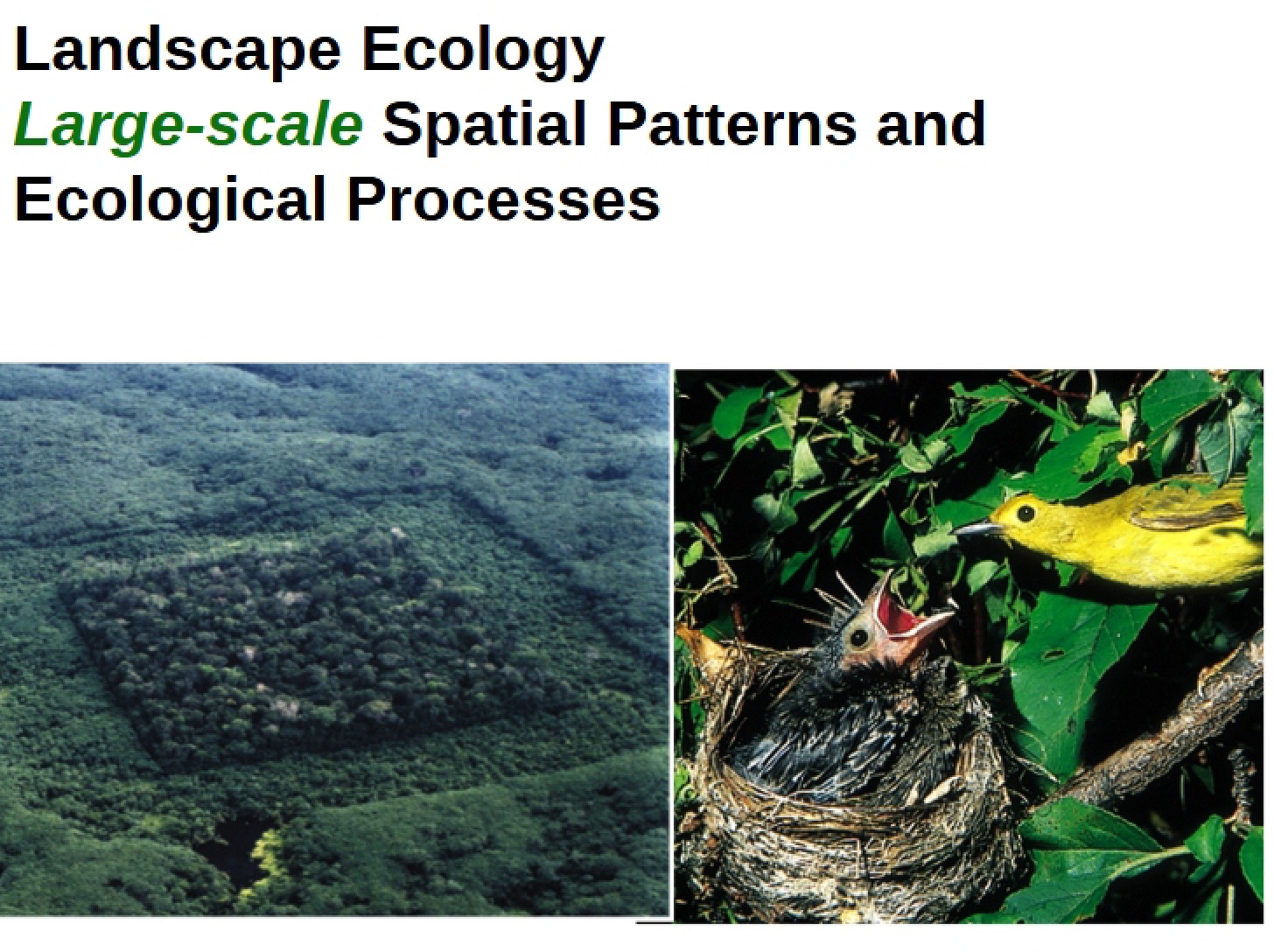
This is a detailed research study focusing on the ecological impacts observed at the boundaries between forest ecosystems and adjacent landscapes. Specifically, it investigates how environmental conditions and plant communities change as you move from the edge of a forest inward towards its center – a phenomenon known as “edge effects.” The study centers on mesophytic forests, a type of forest characterized by moderate moisture levels, found in a specific region of Illinois. It represents a focused investigation into forest fragmentation and its consequences.
Why This Document Matters
This study guide is invaluable for students and researchers in ecology, conservation biology, and forestry. It’s particularly relevant for those studying forest ecosystems, landscape ecology, or the impacts of habitat fragmentation. It would be beneficial when preparing for in-depth discussions on ecological gradients, microclimate influences on species distribution, and the importance of buffer zones in conservation planning. Understanding these concepts is crucial for anyone involved in land management or environmental assessment.
Topics Covered
* Forest Edge Dynamics
* Microclimate Variation (light, temperature, humidity, soil moisture)
* Plant Community Composition and Species Richness
* The Influence of Landscape Context (agricultural fields vs. forested areas)
* Effects of Forest Fragmentation on Ecosystems
* Long-Term Ecological Changes in Isolated Forest Fragments
* Statistical Analysis of Ecological Data (PCA and similarity indices)
What This Document Provides
* A comprehensive investigation of abiotic and biotic factors along forest edges.
* Detailed methodology for studying edge effects in a real-world forest setting.
* Analysis of how different forest aspects (e.g., south-facing vs. north-facing) influence edge effects.
* Insights into the potential role of competition in shaping plant communities near forest edges.
* A framework for considering edge effects in forest preserve planning and conservation strategies.