What This Document Is
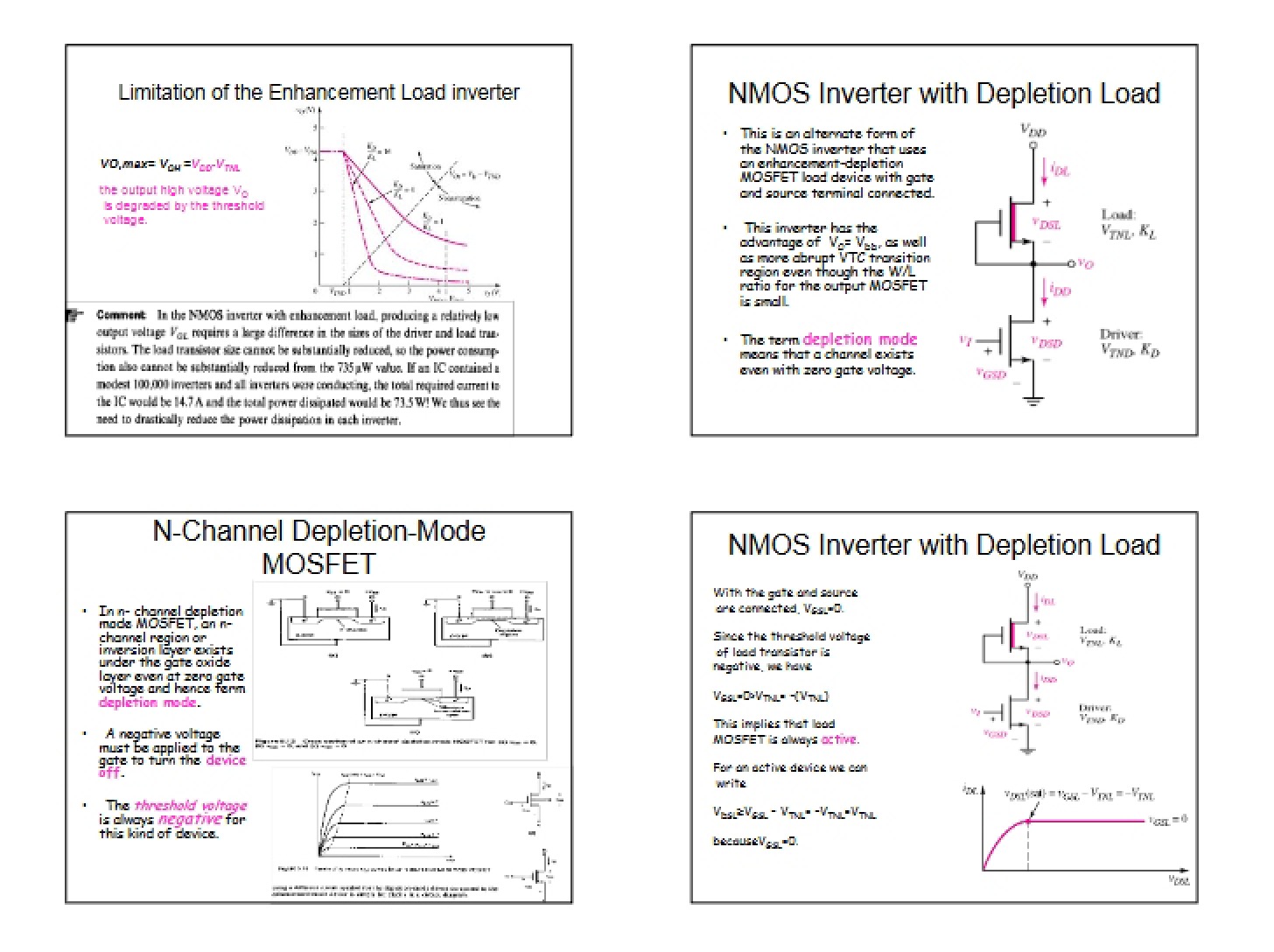
This material represents lecture notes from EE 334, Analog and Digital Electronics, at the University of South Alabama. It focuses on the fundamental characteristics and operational principles of key electronic components – specifically, Metal-Oxide-Semiconductor Field-Effect Transistors (MOSFETs) and Bipolar Junction Transistors (BJTs). The notes delve into the behavior of these transistors under various conditions and explore their application in basic circuit designs. A significant portion is dedicated to the analysis of NMOS inverters, a foundational building block in digital logic systems.
Why This Document Matters
These lecture materials are invaluable for students currently enrolled in an introductory analog and digital electronics course. They are particularly helpful for reinforcing concepts presented in class, preparing for quizzes and exams, and building a solid foundation for more advanced coursework in electronics and digital systems. Students struggling with transistor behavior, circuit analysis, or the fundamentals of logic gate design will find this resource especially beneficial. It’s ideal for reviewing before problem sets or as a reference during independent study.
Common Limitations or Challenges
This resource is designed to *supplement* – not replace – classroom instruction and assigned textbooks. It does not offer fully worked-out example problems with step-by-step solutions, nor does it provide comprehensive coverage of every possible transistor configuration or circuit application. The material assumes a basic understanding of circuit theory and fundamental electronic principles. Access to this material alone will not guarantee mastery of the subject; active engagement with the course material and practice are essential.
What This Document Provides
* Detailed examination of N-Channel MOSFET characteristics in different operating regions.
* Overview of Collector-Emitter relationships in Bipolar Junction Transistors.
* Analysis of NMOS inverter circuits, including variations with different load types.
* Discussion of key inverter parameters and their impact on circuit performance.
* Exploration of the relationship between transistor characteristics and inverter behavior.
* Considerations for design aspects, such as aspect ratios and voltage transfer curves.