What This Document Is
This study guide provides a focused exploration of the elbow and radioulnar joint complex, a critical component of upper limb function. Developed for students in a Kinesiology course, it delves into the anatomical structures and biomechanical principles governing movement at these joints. It’s designed to build a strong foundation for understanding how the upper extremity achieves its range of motion and contributes to everyday activities.
Why This Document Matters
This resource is ideal for students enrolled in Kinesiology, Anatomy, or related exercise science courses. It’s particularly beneficial when studying upper limb biomechanics, joint structure, or muscle action. Professionals in fields like physical therapy, athletic training, or occupational therapy will also find it a valuable refresher on the foundational elements of elbow and forearm function. Use this guide to supplement lectures, prepare for assessments, or deepen your understanding of this complex anatomical region.
Topics Covered
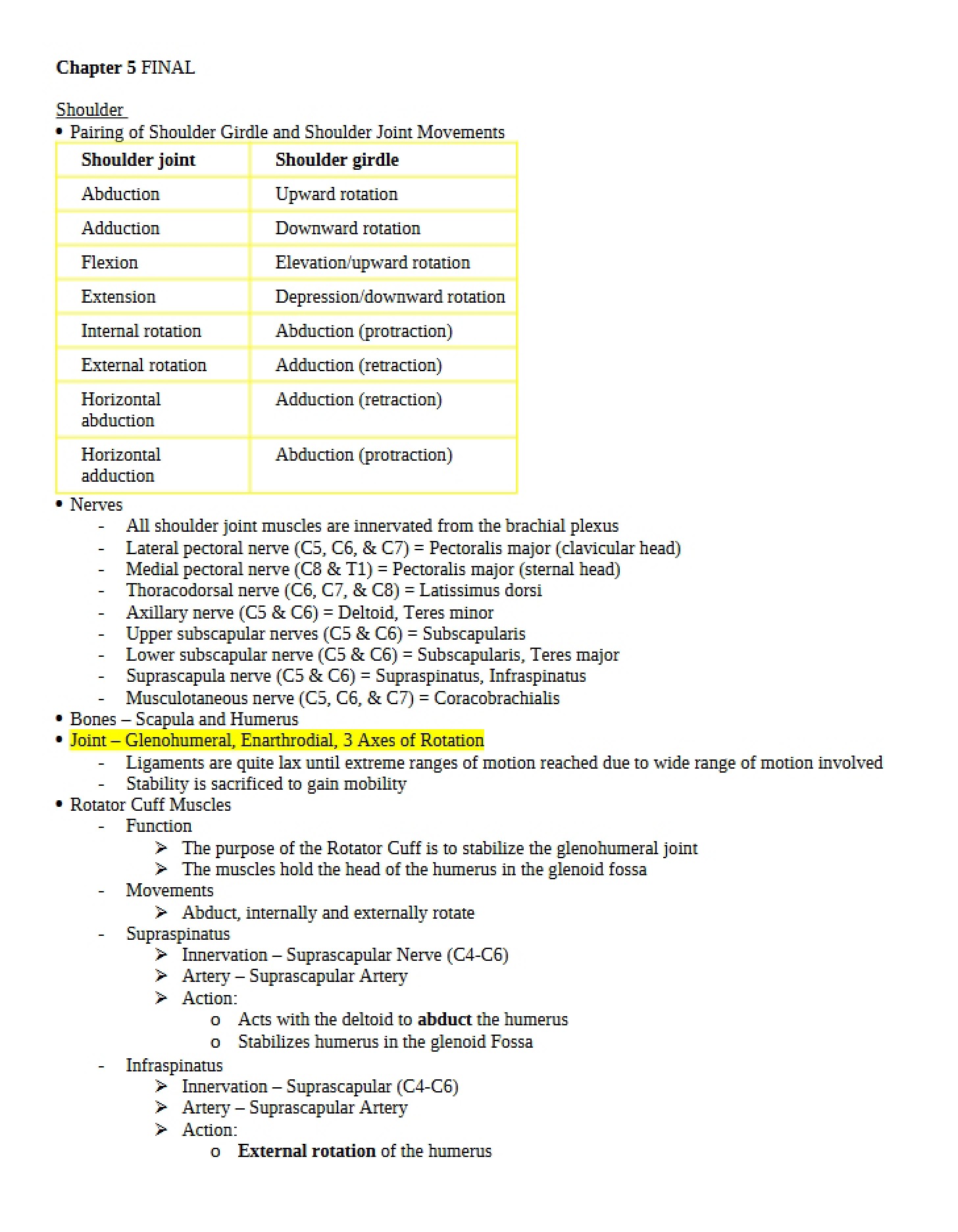
* Musculature of the Elbow and Forearm
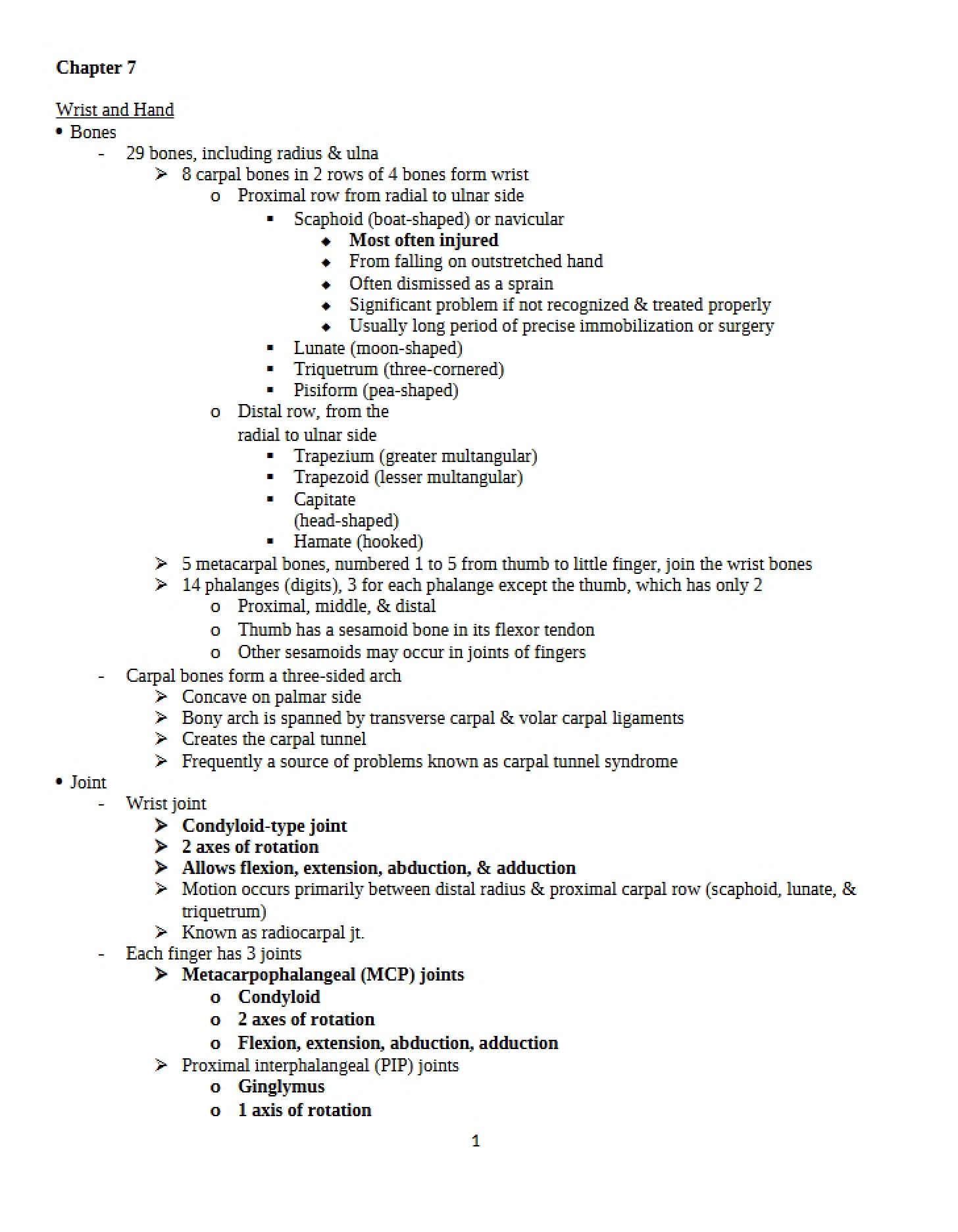
* Bony Landmarks and Articulations of the Elbow and Radioulnar Joints
* Joint Classification and Types of Movement
* Relationship Between Elbow, Radioulnar, and Shoulder Girdle Function
* Joint Stability Mechanisms
* Planes of Motion at the Elbow and Radioulnar Joints
* Neurological Innervation of Key Muscles
What This Document Provides
* Detailed overviews of the muscles acting around the elbow and radioulnar joints.
* Descriptions of the bony structures that form the joint complex.
* An examination of the specific types of motion permitted by each joint.
* Insights into how coordinated muscle action contributes to functional movements.
* Information regarding the nerve supply to the muscles surrounding the elbow and forearm.
* Connections between the elbow/radioulnar complex and other related joints.