What This Document Is
This is the eleventh homework assignment for Stony Brook University’s AST 248: The Search for Life in the Universe. It’s designed to assess your understanding of key concepts discussed in lectures and assigned readings, specifically focusing on the conditions necessary for life and the history of life on Earth – and the potential threats to its continuation. This assignment requires thoughtful responses to a series of questions, encouraging you to synthesize information and demonstrate your grasp of complex astronomical and biological principles.
Why This Document Matters
This assignment is crucial for students enrolled in AST 248 who are aiming to solidify their understanding of astrobiology. It’s best utilized *after* completing the relevant readings from Chapters 6 and 10, and after attending the corresponding lectures. Successfully completing this assignment will demonstrate your ability to apply course material to broader questions about the potential for life elsewhere in the universe and the factors that influence planetary habitability. It’s a valuable tool for self-assessment and identifying areas where further study may be beneficial.
Topics Covered
* The colonization of land by early life forms
* The evolution of Earth’s atmosphere and the role of oxygen
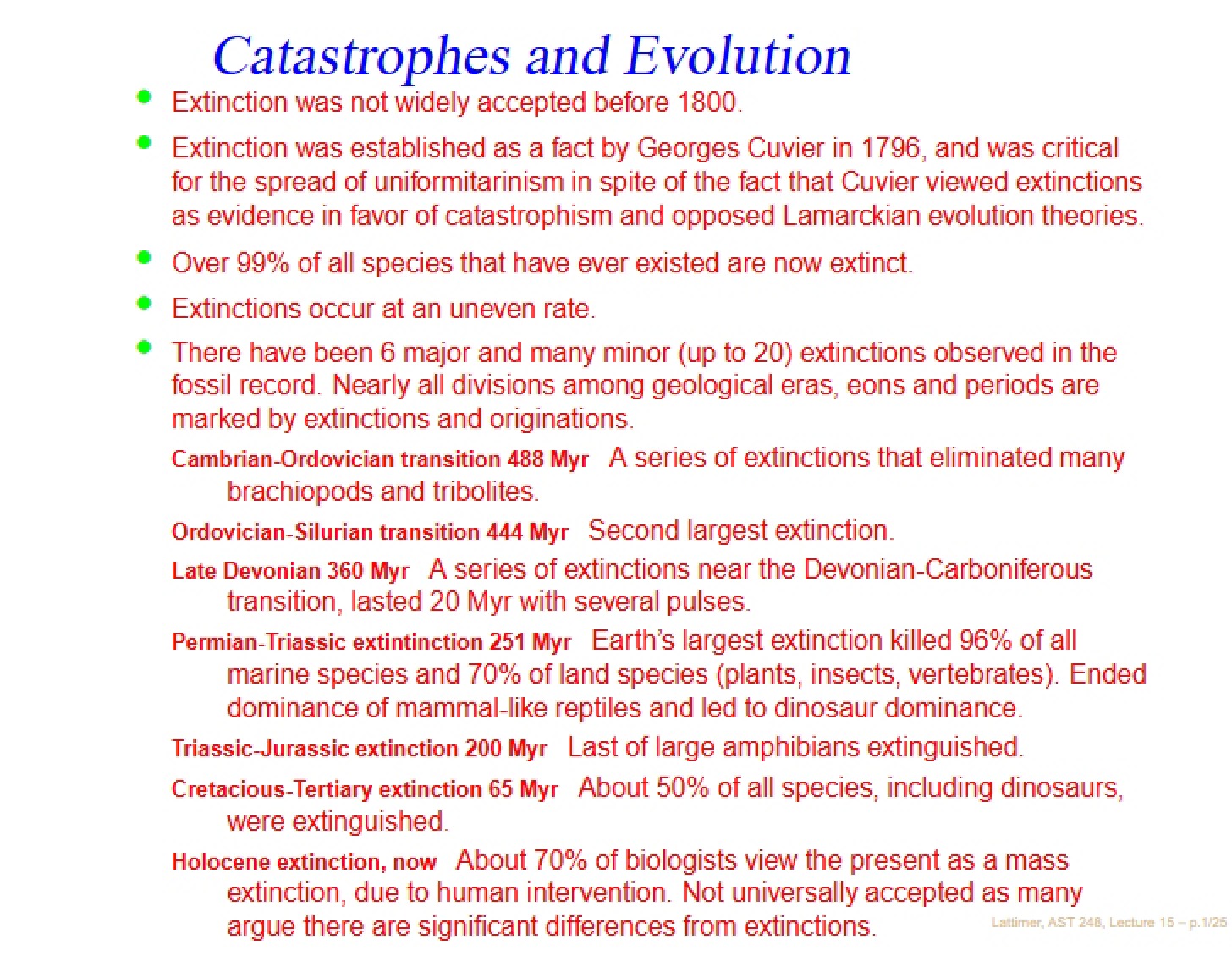
* The impact of major extinction events on Earth’s history
* The potential hazards posed by extraterrestrial impacts
* Factors influencing planetary habitability, including size and internal activity
* Alternative habitable environments beyond the traditional habitable zone
* The role of geological activity in maintaining habitability
What This Document Provides
* A series of comprehensive questions designed to test your understanding of core astrobiological concepts.
* Opportunities to explore the interplay between geological, atmospheric, and biological processes.
* A framework for considering the long-term prospects for life on Earth and beyond.
* A chance to demonstrate your ability to connect theoretical knowledge with real-world examples and evidence.
* Multiple choice questions to assess comprehension of key facts and principles.