What This Document Is
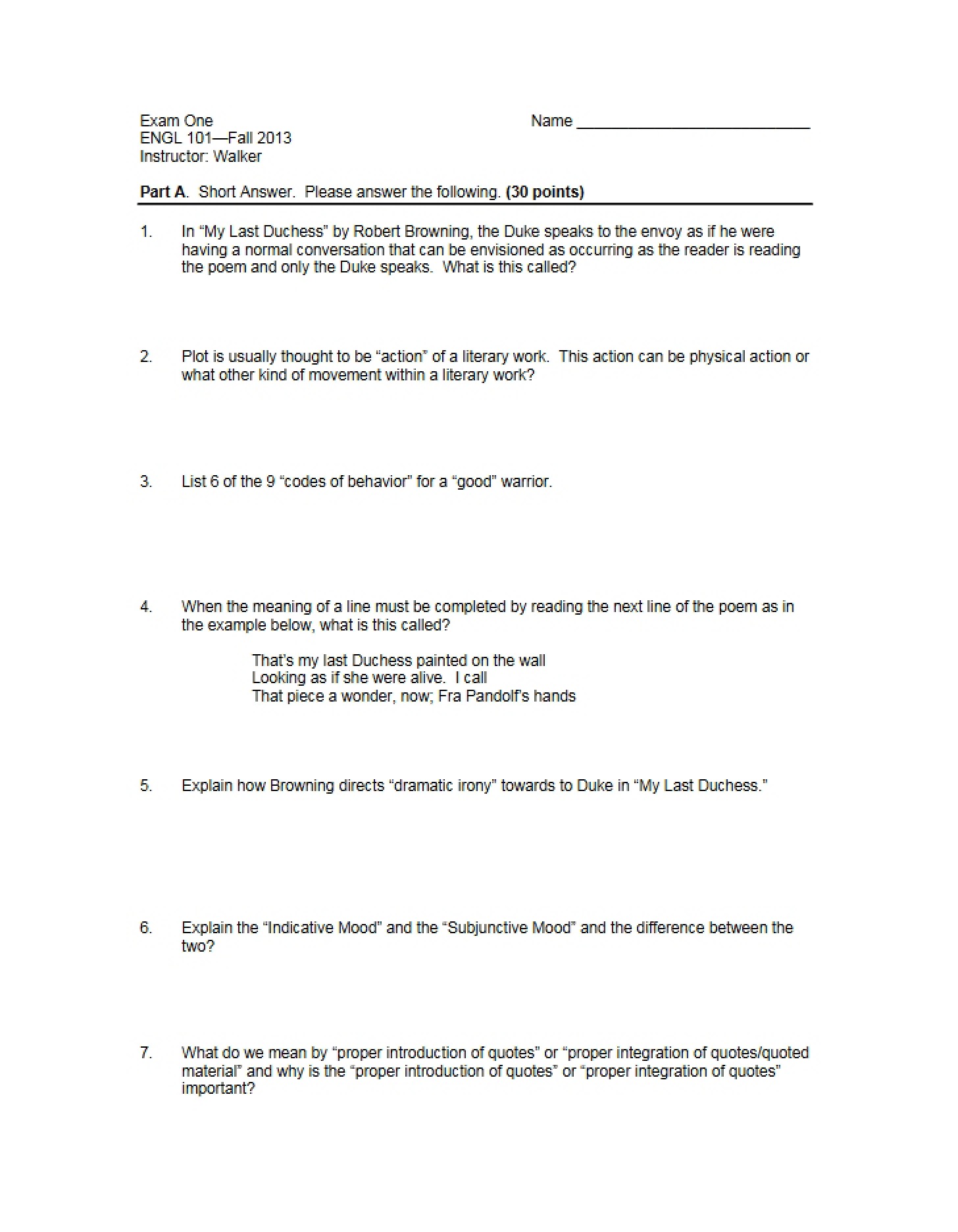
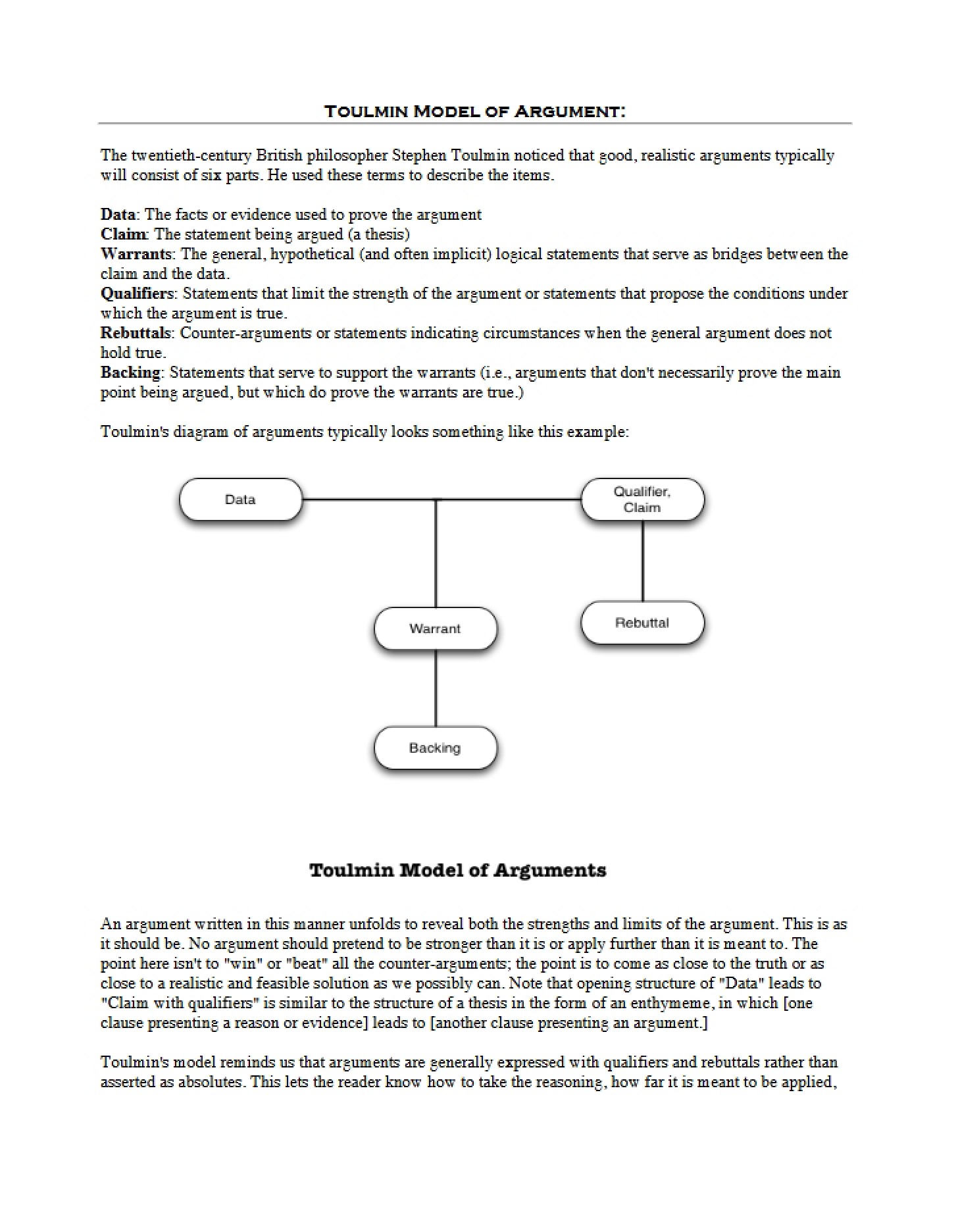
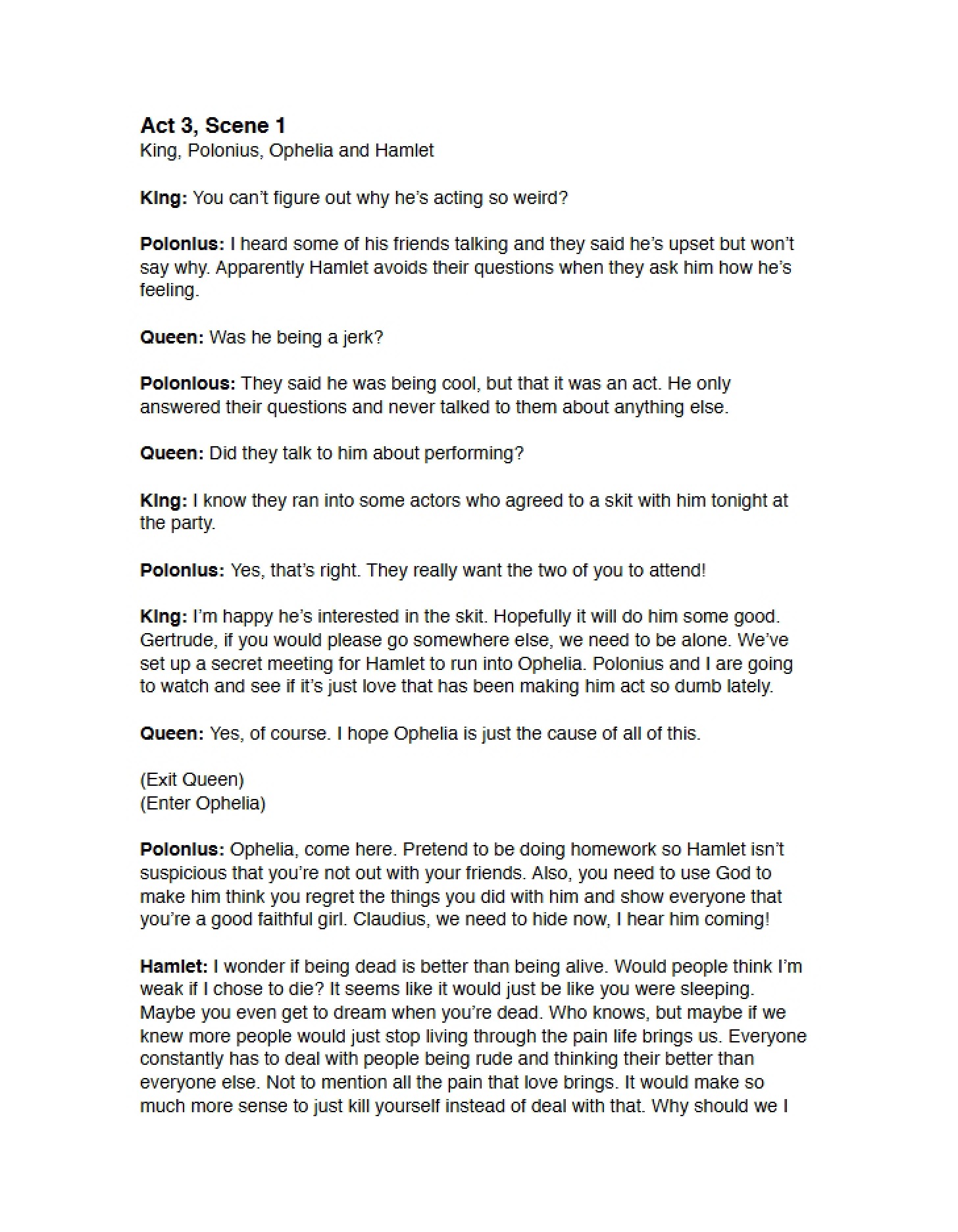
This is a comprehensive course syllabus and materials guide for ENGL 101 – Critical Reading and Composition at the University of South Carolina. It outlines the expectations, assignments, and resources for a semester-long course focused on developing strong analytical reading and writing skills. The course centers around engaging with a variety of texts, including poetry, drama, prose, and academic articles, to foster critical thinking and effective communication. It details the course structure and provides a foundational overview of the skills students will cultivate.
Why This Document Matters
This resource is essential for any student enrolled in or considering enrolling in ENGL 101 at the University of South Carolina. It clarifies the course objectives, grading criteria, and required materials, allowing students to prepare effectively for the workload and expectations. Understanding the syllabus *before* the semester begins can significantly improve a student’s ability to succeed, manage their time, and approach assignments with confidence. It’s particularly useful for students wanting to understand the course’s emphasis on textual analysis and academic writing conventions.
Common Limitations or Challenges
This document provides a high-level overview of the course. It does *not* contain the actual assigned readings, specific essay prompts, or detailed instructions for completing assignments. It also doesn’t include the professor’s individual teaching style or specific interpretations of the texts. Access to the full materials is required to fully participate in the course and complete all requirements. Specific due dates and detailed assignment guidelines are found elsewhere.
What This Document Provides
* A clear outline of the course objectives and learning goals.
* Information regarding required texts and recommended resources.
* An overview of the major assignment types, including critical response papers and analytical essays.
* Details on course policies, including expectations for academic integrity and adherence to MLA style guidelines.
* Contact information for the instructor and details regarding office hours.
* A description of the course’s emphasis on “close reading” and its application to academic writing.