What This Document Is
This study guide delves into essential techniques for quantitative chemical analysis, specifically focusing on error analysis, calibration methods, and dilution principles. Created for students in University of South Carolina’s CHEM 321L Quantitative Analysis course, it’s a post-lab resource designed to reinforce practical skills and theoretical understanding developed in the laboratory setting. It builds upon foundational chemistry concepts and applies them to real-world experimental data.
Why This Document Matters
This resource is invaluable for any student needing a deeper understanding of how to assess the reliability of experimental results. It’s particularly helpful when preparing for exams, reviewing lab performance, or tackling complex analytical problems. Students will benefit from a focused exploration of how systematic and random errors impact data, and how to minimize these effects through careful calibration and dilution procedures. It’s ideal for reinforcing concepts *after* completing related laboratory work, allowing for a more thorough grasp of the material.
Common Limitations or Challenges
This guide is designed to *supplement* – not replace – active participation in laboratory experiments and lectures. It does not provide a substitute for hands-on experience or direct instruction. While it explores statistical analysis related to experimental data, it doesn’t offer a comprehensive statistics course. Furthermore, it focuses on the specific experiments conducted within the CHEM 321L course and may not directly address all possible scenarios in quantitative analysis.
What This Document Provides
* Detailed examination of different dilution strategies and their practical application.
* Analysis of calibration curves generated from experimental data.
* Exploration of techniques for determining unknown concentrations using calibration data.
* Methods for evaluating the uncertainty associated with measurements, including confidence interval calculations.
* Application of statistical tests to compare and validate experimental results.
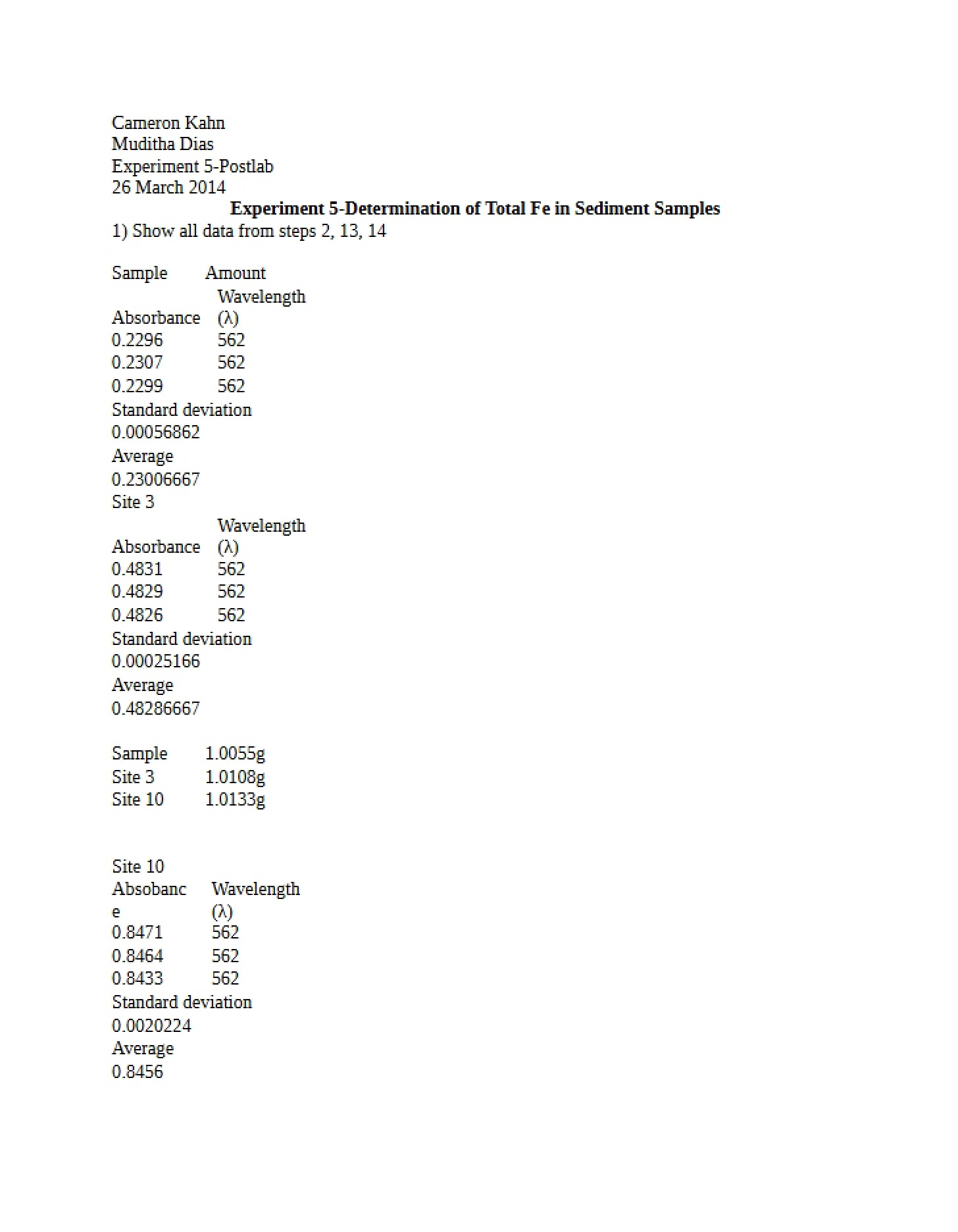
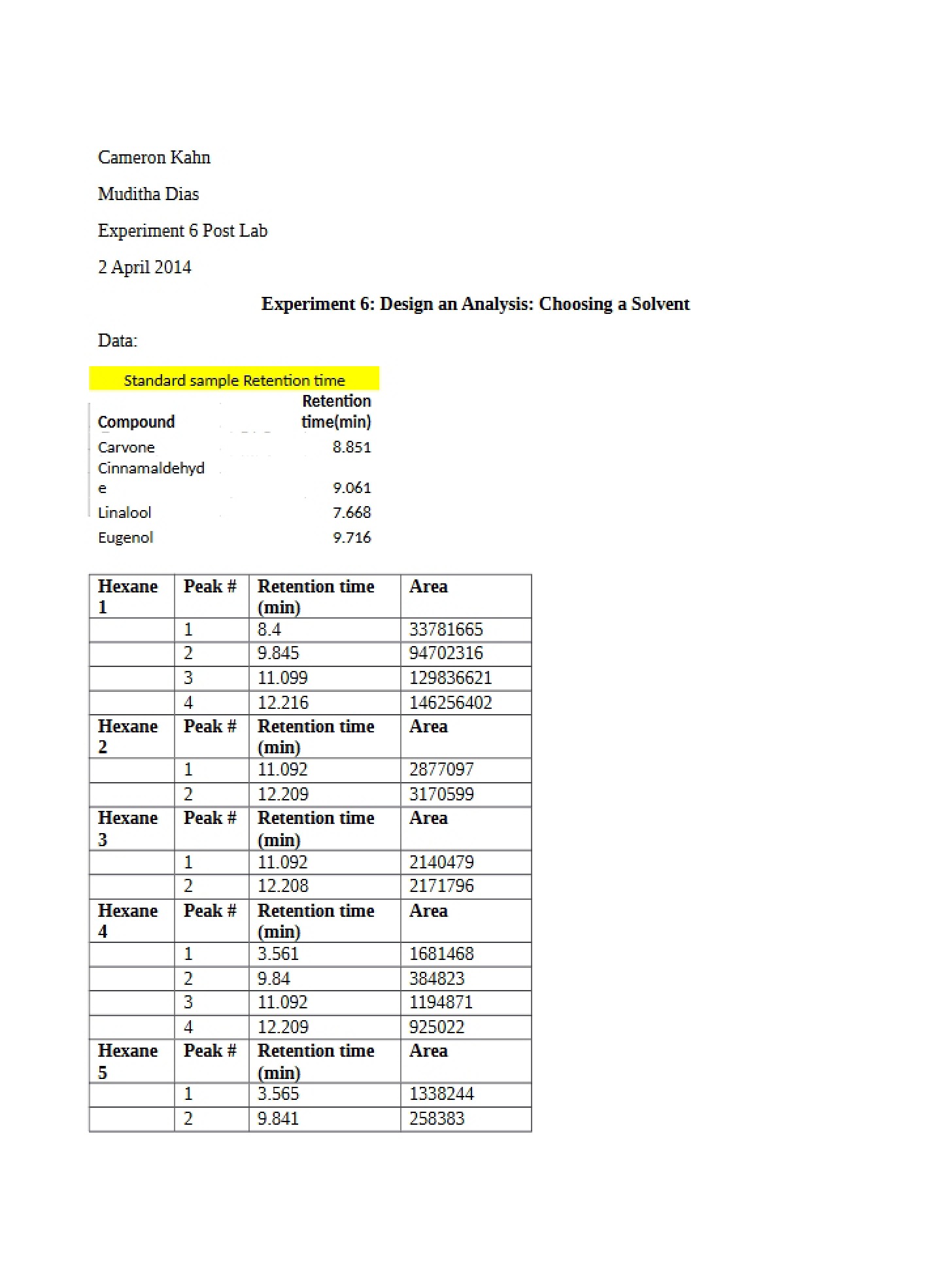
* Worked examples demonstrating the application of these concepts to a specific experimental scenario.
* Discussion of potential sources of error and their impact on data accuracy.