What This Document Is
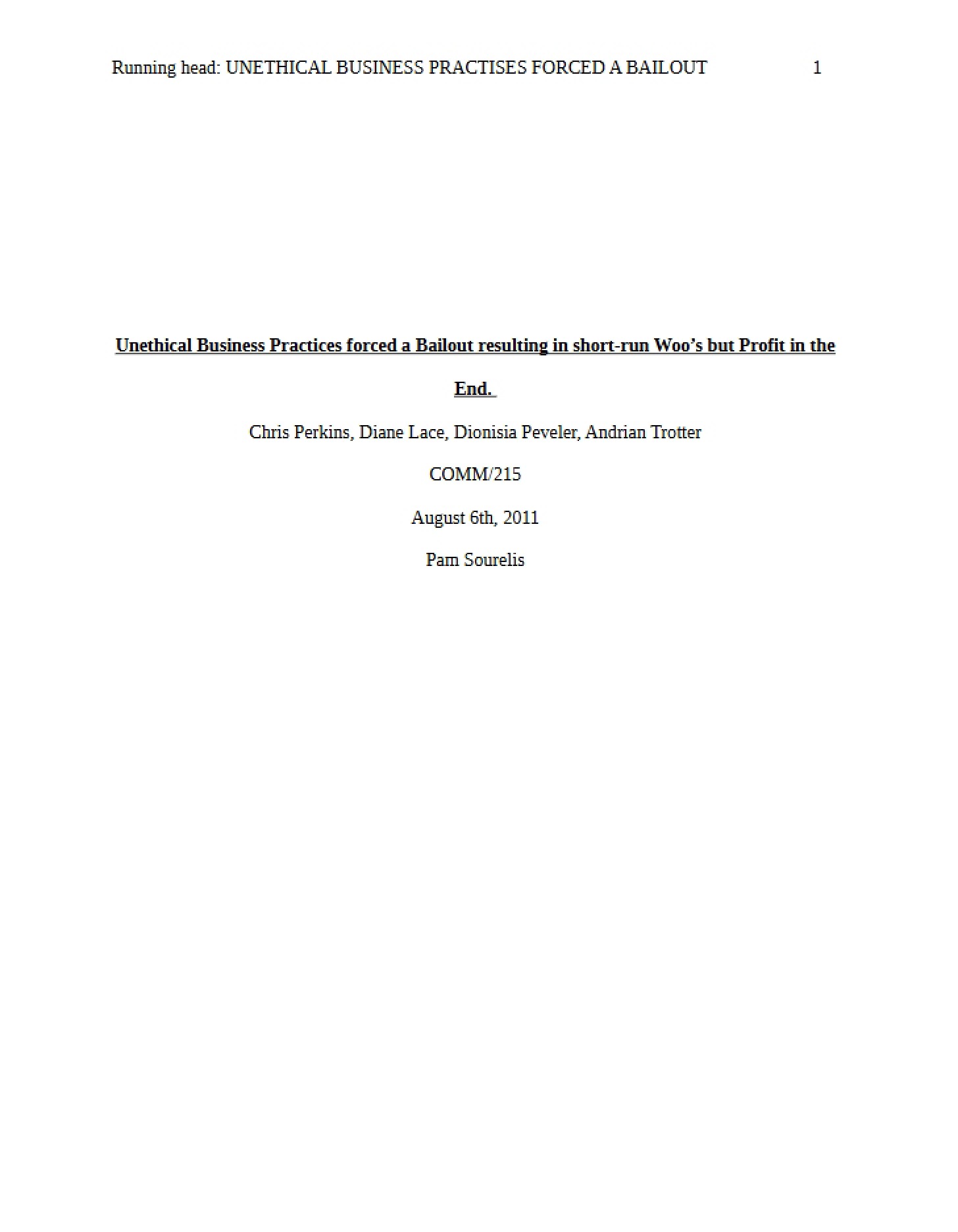
This study guide offers an in-depth exploration of a significant event in recent economic history: the 2008 financial bailout. Specifically, it centers on the factors contributing to the crisis and the subsequent governmental response through the Emergency Economic Stabilization Act. It presents a focused analysis of the role of unethical business practices within the lending industry and their connection to the widespread economic disruption. This isn’t simply a recounting of events, but a critical examination of the underlying causes and consequences.
Why This Document Matters
Students enrolled in courses like Functions of Management, Business Ethics, or Financial Economics will find this resource particularly valuable. It’s ideal for those seeking a deeper understanding of systemic risk, the impact of regulatory failures, and the ethical responsibilities of financial institutions. This guide can be used when preparing for class discussions, formulating research papers, or studying for assessments related to economic policy and corporate governance. Understanding this historical event provides crucial context for navigating contemporary economic challenges.
Topics Covered
* The origins and implementation of the Emergency Economic Stabilization Act of 2008 (EESA)
* The sub-prime mortgage crisis and its impact on the financial system
* Ethical considerations in lending practices and financial sales
* The role of financial institutions and their responsibilities to borrowers
* The consequences of deregulation and insufficient oversight in the financial sector
* The relationship between lending practices, market stability, and economic growth
* The impact of the bailout on homeowners, investors, and the broader economy
What This Document Provides
* A detailed overview of the circumstances leading up to the 2008 financial crisis.
* An analysis of the motivations and pressures influencing lending practices.
* A discussion of the stated goals and intended outcomes of the EESA.
* Examination of the potential long-term effects of the bailout on the lending industry.
* A framework for understanding the complexities of financial regulation and ethical conduct.
* Insight into the challenges of balancing economic stability with individual financial responsibility.