What This Document Is
This resource is a comprehensive exploration of eukaryotic organisms, designed for students in an introductory biology course. It delves into the fundamental characteristics that define this complex life form and examines the processes crucial to their reproduction and genetic diversity. The material focuses on cellular division processes and the implications of variations within those processes. It’s intended to build a strong foundation for understanding more advanced biological concepts.
Why This Document Matters
This material is particularly beneficial for students enrolled in General Biology I, or similar introductory courses, who are seeking a deeper understanding of eukaryotic cell function and inheritance. It’s ideal for use when studying cell cycles, genetics, and the mechanisms behind trait variation. Students preparing for quizzes or exams on these topics will find this a valuable resource to solidify their knowledge base and explore key concepts in detail. It’s best used *in conjunction* with lectures and textbook readings to enhance comprehension.
Topics Covered
* Eukaryotic Life Cycles – variations and classifications
* The Stages and Functions of Meiosis
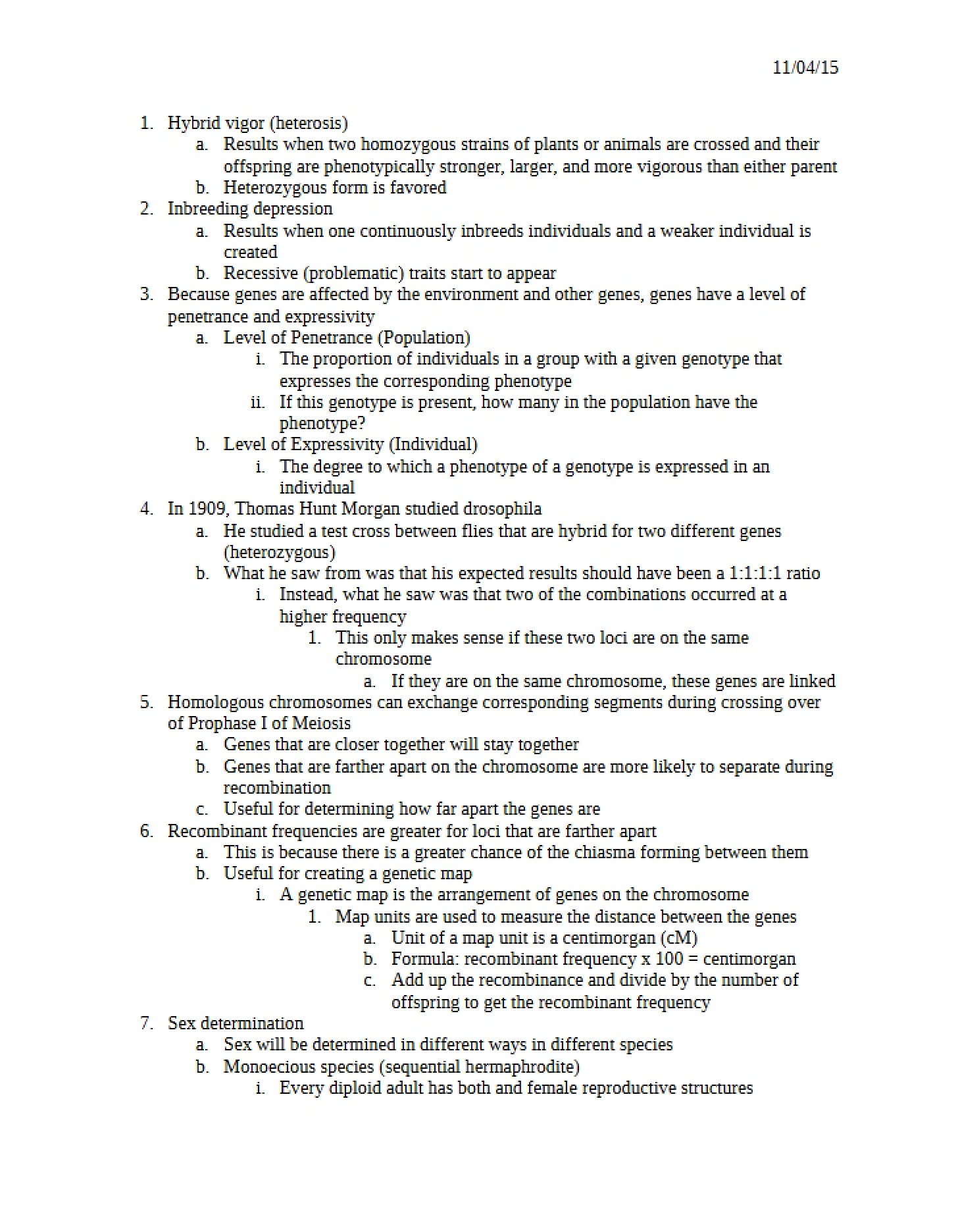
* Genetic Variation – mechanisms and importance
* Errors in Gamete Production – causes and consequences
* Chromosomal Abnormalities – types and examples
* The impact of chromosomal changes in plant biology
What This Document Provides
* A detailed overview of different eukaryotic life cycle organizations.
* An examination of the phases involved in meiosis, highlighting key differences from mitosis.
* An exploration of the factors that contribute to genetic diversity within populations.
* Discussion of potential errors that can occur during gamete formation and their resulting effects.
* Illustrative examples of chromosomal abnormalities and their associated conditions.
* Insights into how changes in chromosome number can affect plant characteristics.