What This Document Is
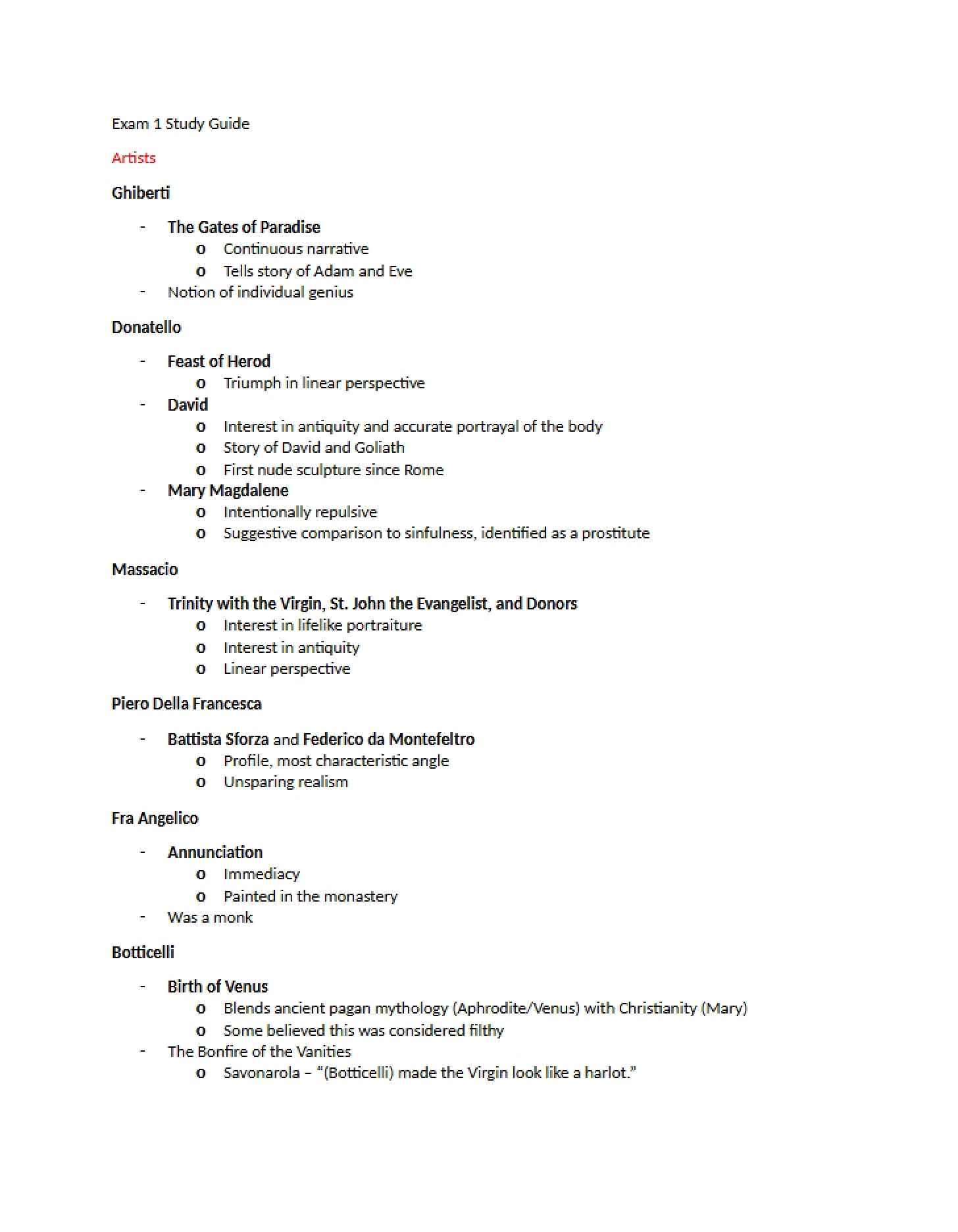
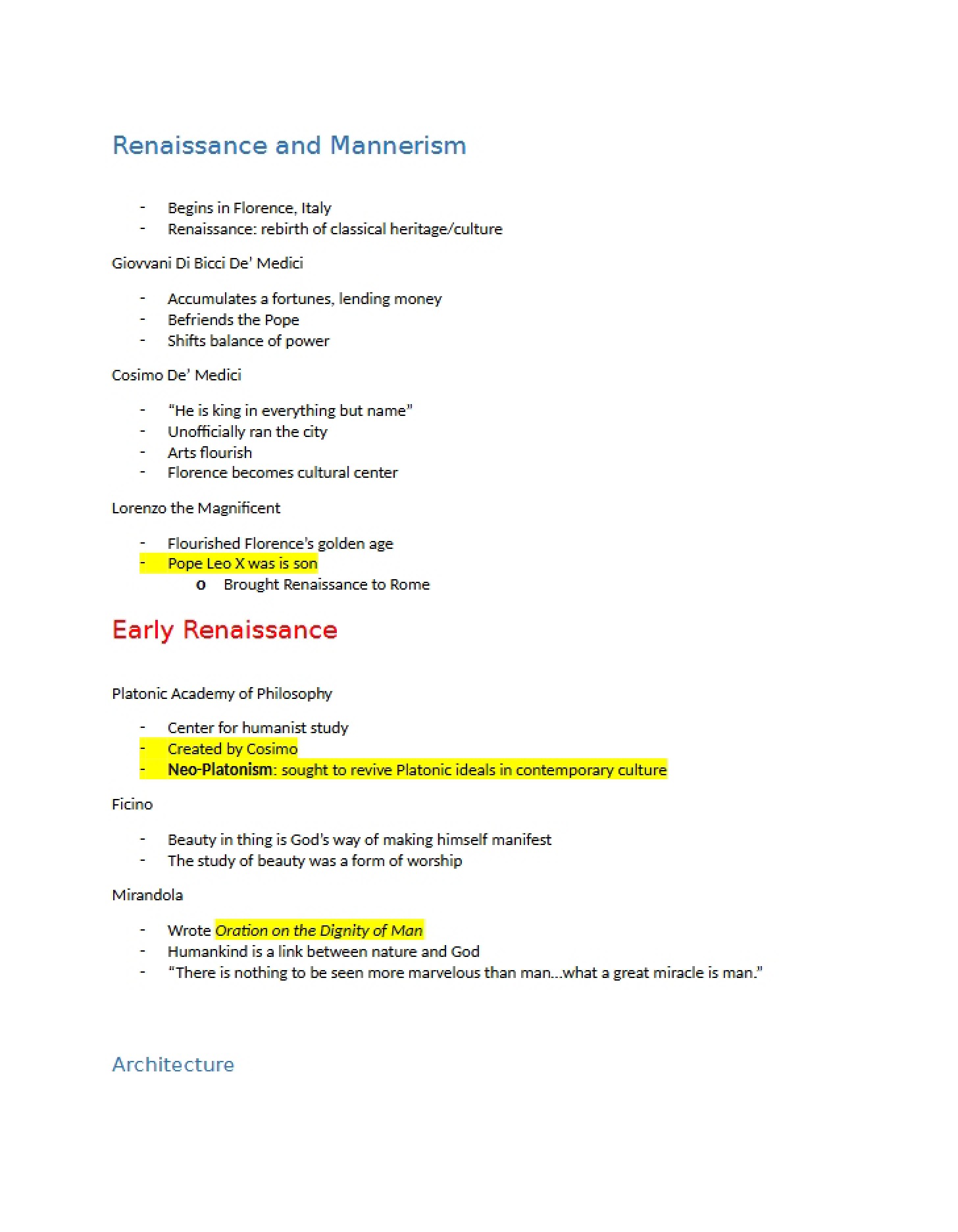
This comprehensive study guide delves into the Early Renaissance period in Europe, a transformative era bridging the medieval and modern worlds. It explores the complex interplay of artistic, religious, political, and intellectual developments that characterized this pivotal time. The guide focuses on the key movements, figures, and innovations that defined the period, examining how they reshaped European society and laid the groundwork for future advancements. It covers developments across multiple disciplines, from painting and sculpture to literature, music, and emerging scientific thought.
Why This Document Matters
This resource is ideal for students enrolled in Humanities courses, particularly those focusing on European history, art history, or the Renaissance. It’s a valuable tool for anyone preparing for exams, writing essays, or seeking a deeper understanding of this crucial period. It’s particularly helpful when needing to grasp the broader context surrounding Renaissance art and thought, and how these were influenced by contemporary events and philosophies. Use this guide to build a strong foundation for further research and analysis.
Common Limitations or Challenges
This guide provides a broad overview of the Early Renaissance and does not offer in-depth analyses of specific artworks or texts. It’s designed to be a starting point for your studies, not a substitute for primary source engagement or detailed scholarly research. While it touches upon major historical events, it doesn’t provide exhaustive coverage of all political or social complexities. It also doesn’t include detailed biographical information beyond what’s necessary to understand the figures’ contributions.
What This Document Provides
* An overview of the economic factors influencing the Renaissance, including the impact of global exchange.
* Exploration of key artistic innovations in painting techniques and styles.
* Profiles of prominent artists and their significant works.
* Discussion of influential humanist thinkers and their philosophies.
* Examination of the religious upheavals of the Reformation and their origins.
* Insights into the scientific advancements and challenges to established beliefs.
* Coverage of architectural trends and musical developments of the era.
* Introduction to major literary figures and their contributions to Renaissance thought.