What This Document Is
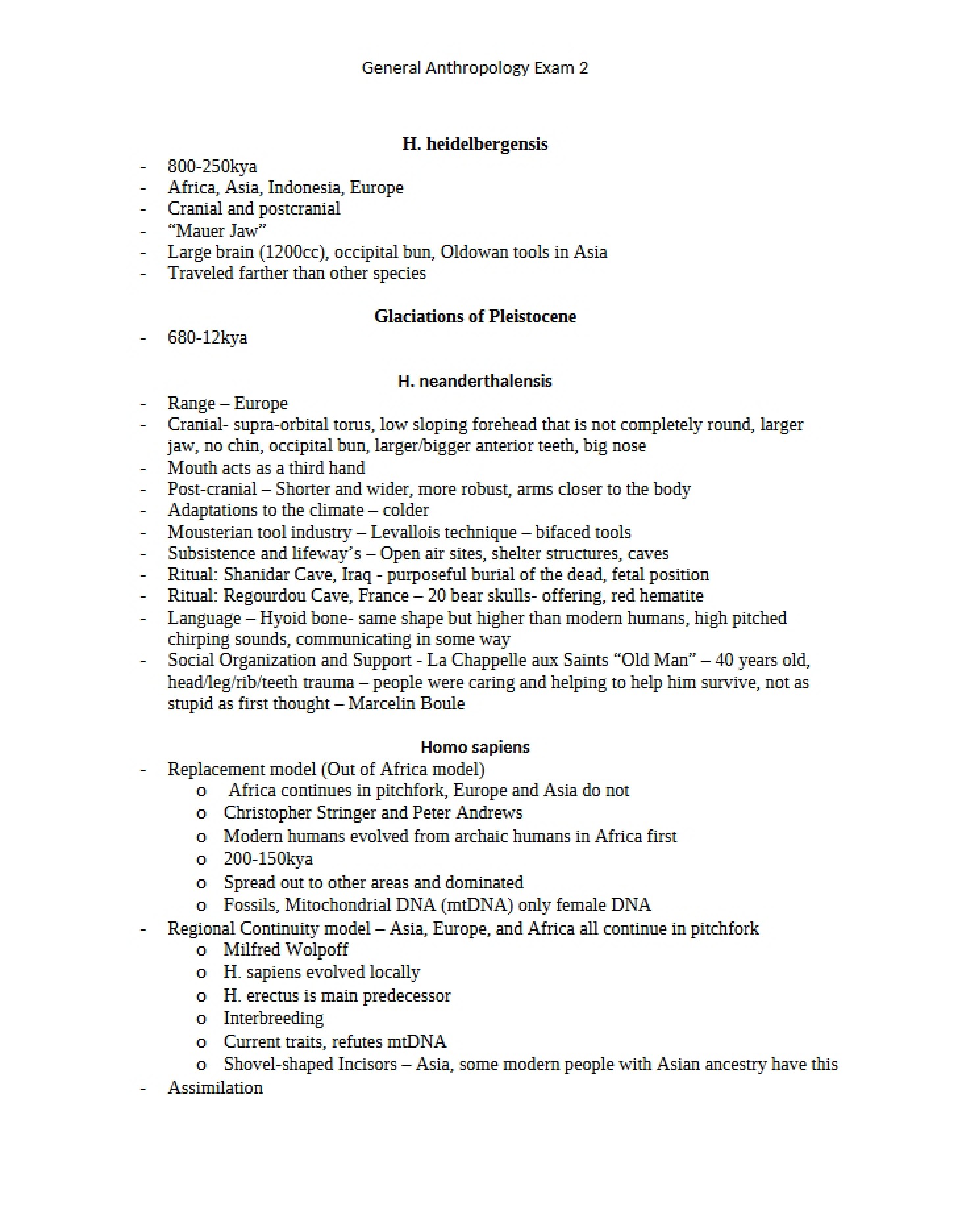
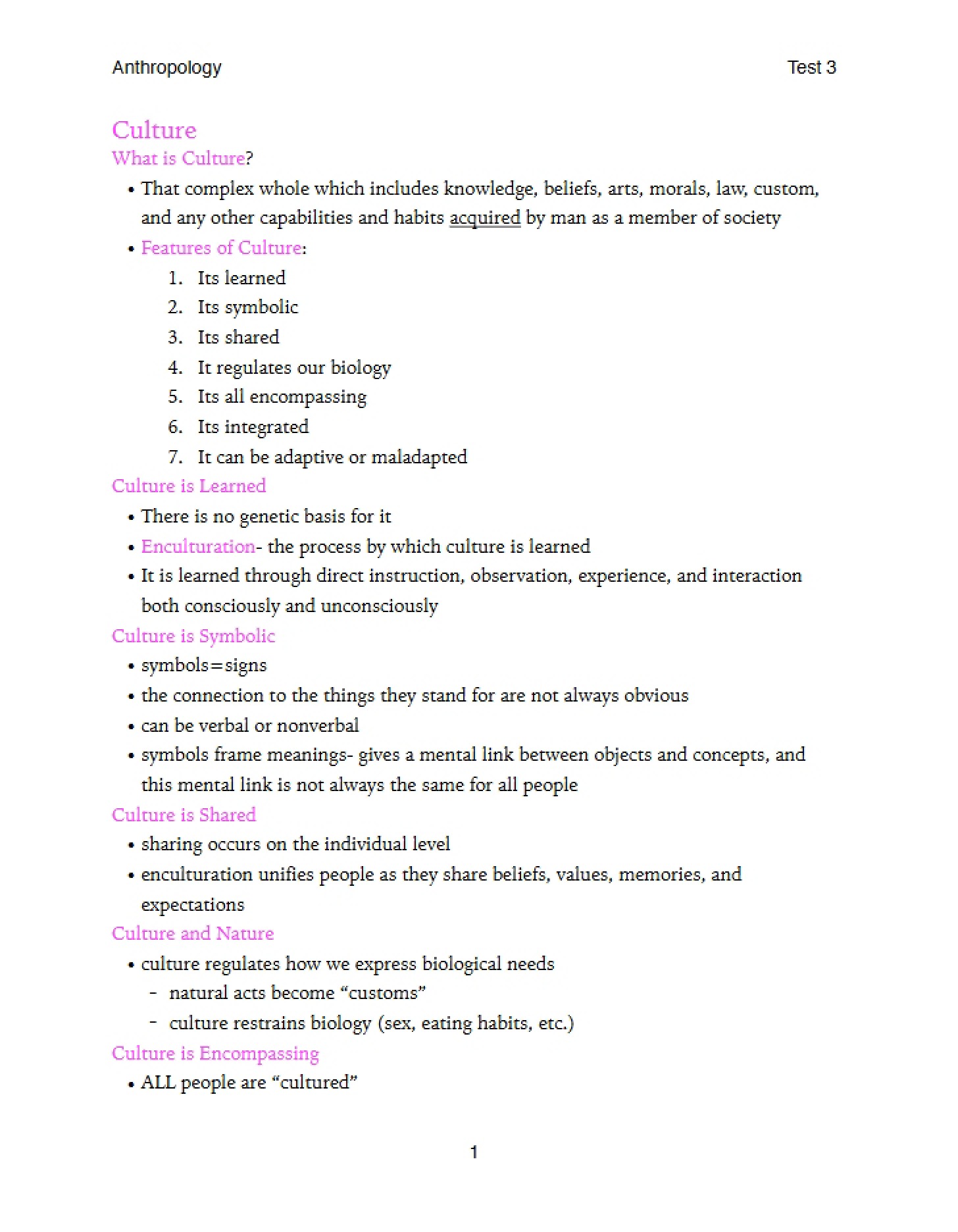
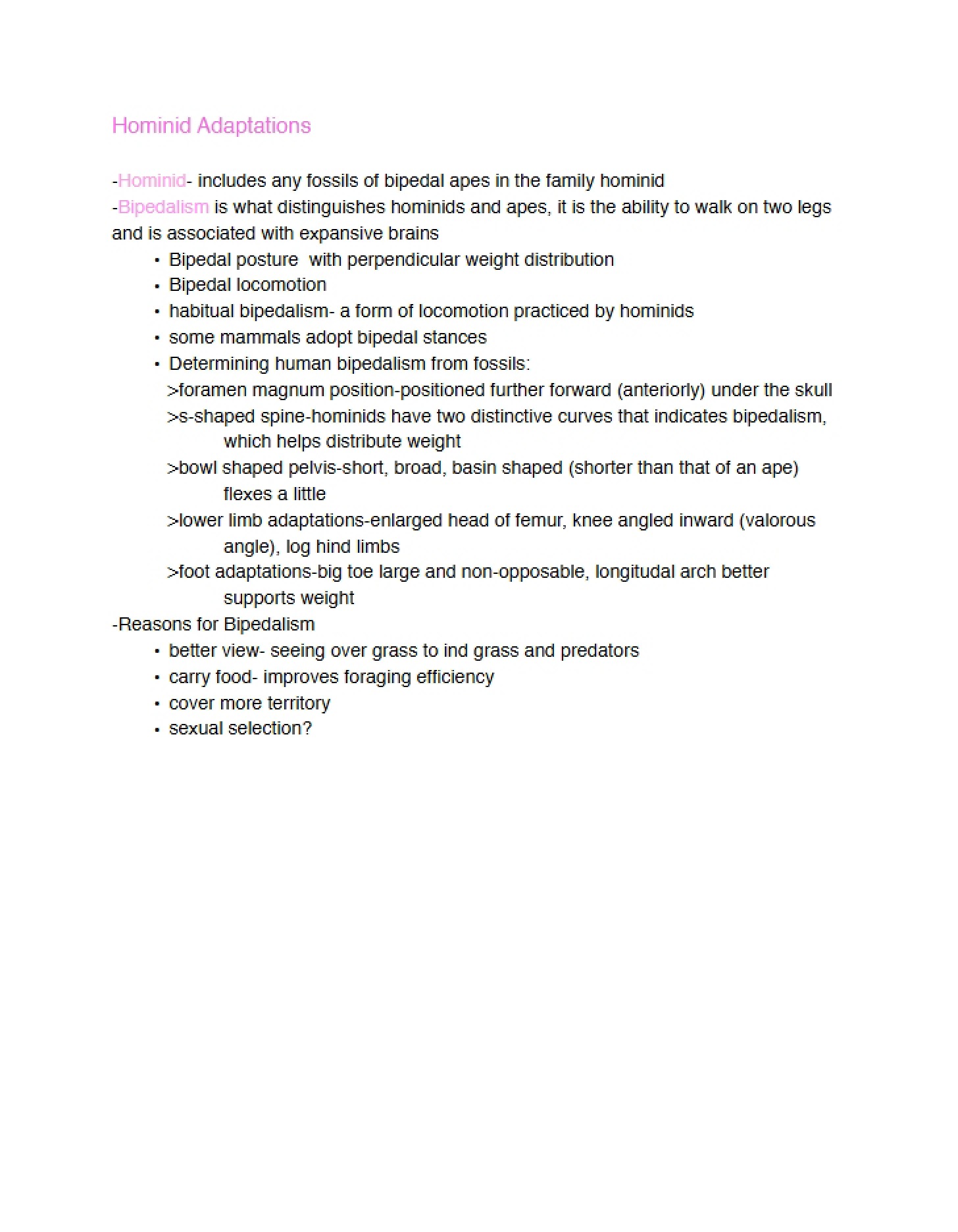
This document is a study resource designed to help students prepare for Exam 2 in ANT 2000, General Anthropology at the University of Central Florida. It appears to be a comprehensive compilation of information covering human evolution, the emergence of *Homo sapiens*, and the development of early civilizations. The material is presented in a structured format, likely mirroring the course’s lecture and reading content.
Why This Document Matters
This resource is invaluable for students aiming to solidify their understanding of key anthropological concepts and prepare effectively for assessment. It’s particularly useful for review in the days leading up to the exam, identifying areas needing further study, and testing overall comprehension of the course material. Students who utilize this resource alongside their notes and assigned readings will be well-positioned to demonstrate their knowledge.
Topics Covered
* Hominin evolution – including species characteristics and timelines
* Pleistocene climate and its impact on hominin adaptation
* Neanderthal characteristics, behavior, and cultural practices
* Competing theories regarding the origins of *Homo sapiens*
* The development of early human art and symbolic thought
* Biological and cultural definitions of race and ethnicity
* The characteristics and development of early civilizations
* The origins and impact of agriculture and domestication
* Key early civilizations and their defining features (Mesopotamia, Egypt, Indus Valley, China, Olmec, Maya, Aztec, Inka)
What This Document Provides
* A chronological overview of hominin species and their key traits.
* Summaries of prominent anthropological theories regarding human origins and dispersal.
* Details regarding the cultural and behavioral adaptations of various hominin groups.
* An exploration of the factors contributing to the rise of complex societies.
* A focused look at the defining characteristics of several major early civilizations.
* Key terminology related to agriculture and its development.