What This Document Is
This resource is a comprehensive review guide designed to help students prepare for the second hour exam in NRES 201 (Introduction to NRES) at the University of Illinois at Urbana-Champaign. It focuses on core concepts related to soil science, hydrology, and soil management practices. The material is presented in a question-and-answer format, encouraging active recall and self-assessment of understanding. It covers a significant portion of the course material leading up to the exam.
Why This Document Matters
This review is invaluable for students aiming to solidify their grasp of fundamental principles in natural resources and environmental science. It’s particularly useful for students who benefit from testing their knowledge through practice questions, identifying areas needing further study, and reinforcing key terminology. Utilizing this guide in the days leading up to the exam can significantly boost confidence and improve performance. It’s best used *after* attending lectures, completing assigned readings, and participating in lab sessions.
Common Limitations or Challenges
This review is not a substitute for attending lectures or completing assigned coursework. It’s designed to *complement* those materials, not replace them. While it covers a broad range of topics, it doesn’t provide in-depth explanations of every concept. It also doesn’t include new material not previously presented in the course. Successfully using this guide requires a foundational understanding of the course content. It does not contain the actual exam questions.
What This Document Provides
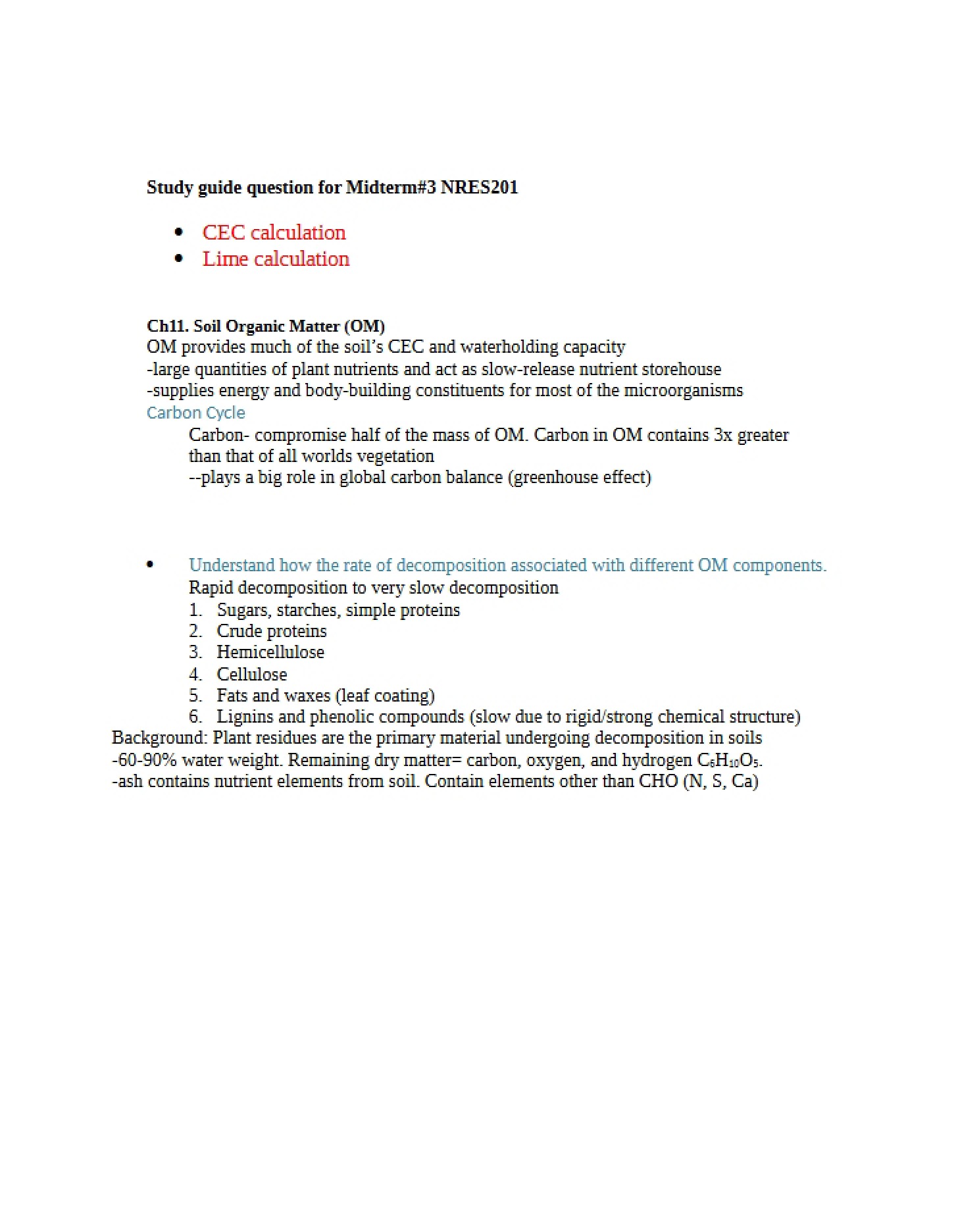
* Focused review questions on Soil Organic Matter, including decomposition processes and variations across soil types.
* Exploration of Soil Water dynamics, covering properties, potentials, and classifications.
* An overview of The Hydrologic Cycle, including water management strategies and irrigation techniques.
* Key concepts related to Soil Management & Erosion, including causes, prevention, and the Universal Soil-Loss Equation.
* Discussion of Soil Aeration & Temperature, including impacts on plant life and wetland characteristics.
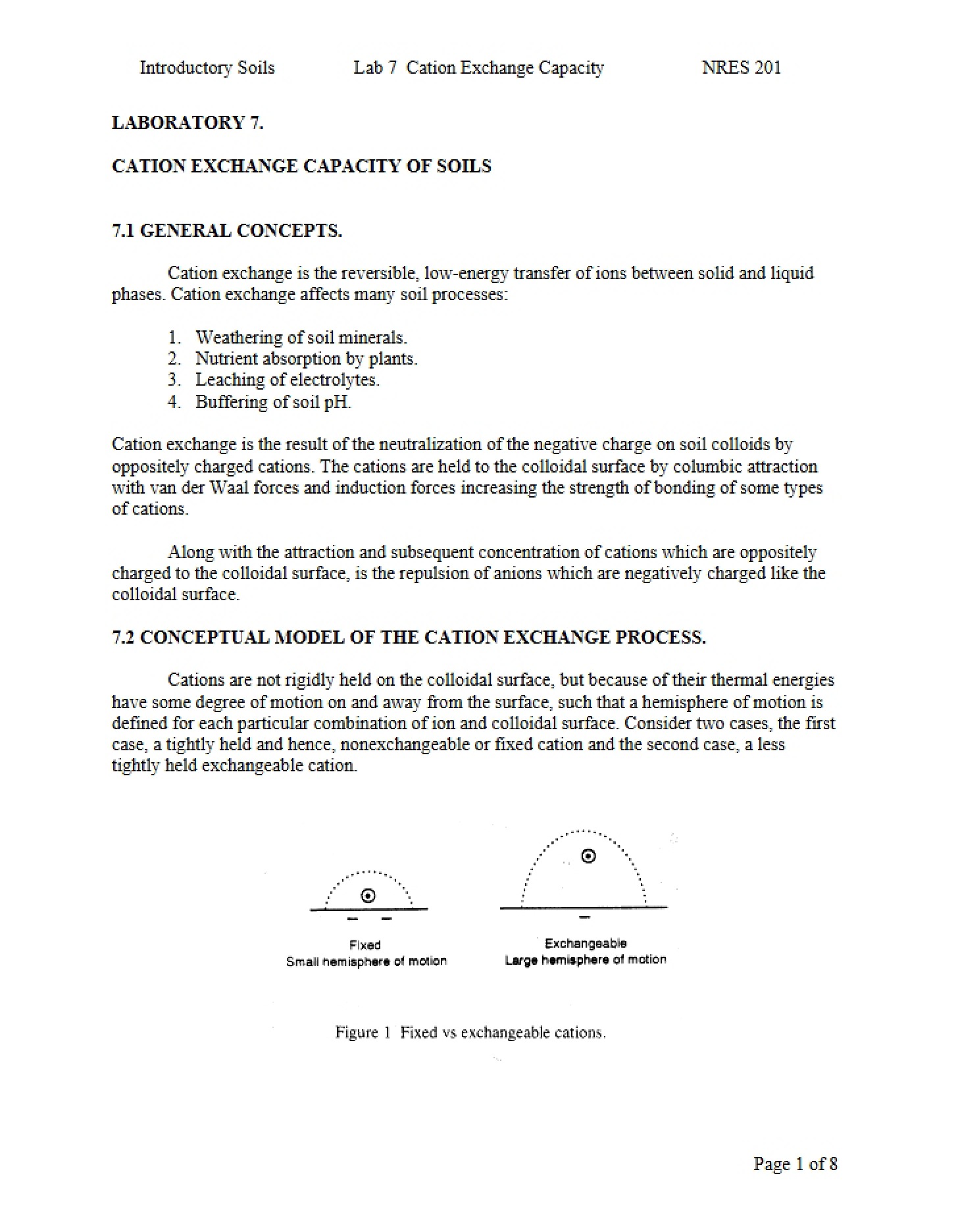
* Examination of Colloidal Properties of soils, focusing on clay minerals and cation exchange capacity.