What This Document Is
This document is an exam preparation resource for COMM 200: Human Communication Systems & Family Systems at the University of Delaware. Specifically, it focuses on the critical concepts related to communication dynamics throughout the early stages of life, with a strong emphasis on the foundational relationships formed in infancy and childhood. It’s designed to help you assess your understanding of key theories and research findings presented in the course.
Why This Document Matters
This resource is invaluable for students preparing for Exam 3. It’s particularly helpful for those seeking to solidify their grasp of developmental communication theories and their practical implications. Utilizing this material can help you identify areas where further study may be beneficial, leading to increased confidence and improved performance on the exam. It’s best used *after* engaging with course lectures and assigned readings, as a tool for self-assessment and focused review.
Topics Covered
* Early emotional development in infants
* The role of caregiver interaction in shaping emotional regulation
* Attachment theory – foundational concepts and key researchers
* Different attachment styles in children and their characteristics
* The impact of early attachment experiences on later life relationships
* Assessing attachment styles through observational methods
* Adult attachment styles and their origins
* Communication patterns within romantic relationships linked to attachment
What This Document Provides
* An overview of prominent theories explaining parent-child communication.
* A framework for understanding the development of secure attachments.
* Insights into the long-term consequences of various attachment styles.
* Exploration of how attachment manifests in adult relationships.
* Considerations of how attachment influences communication behaviors.
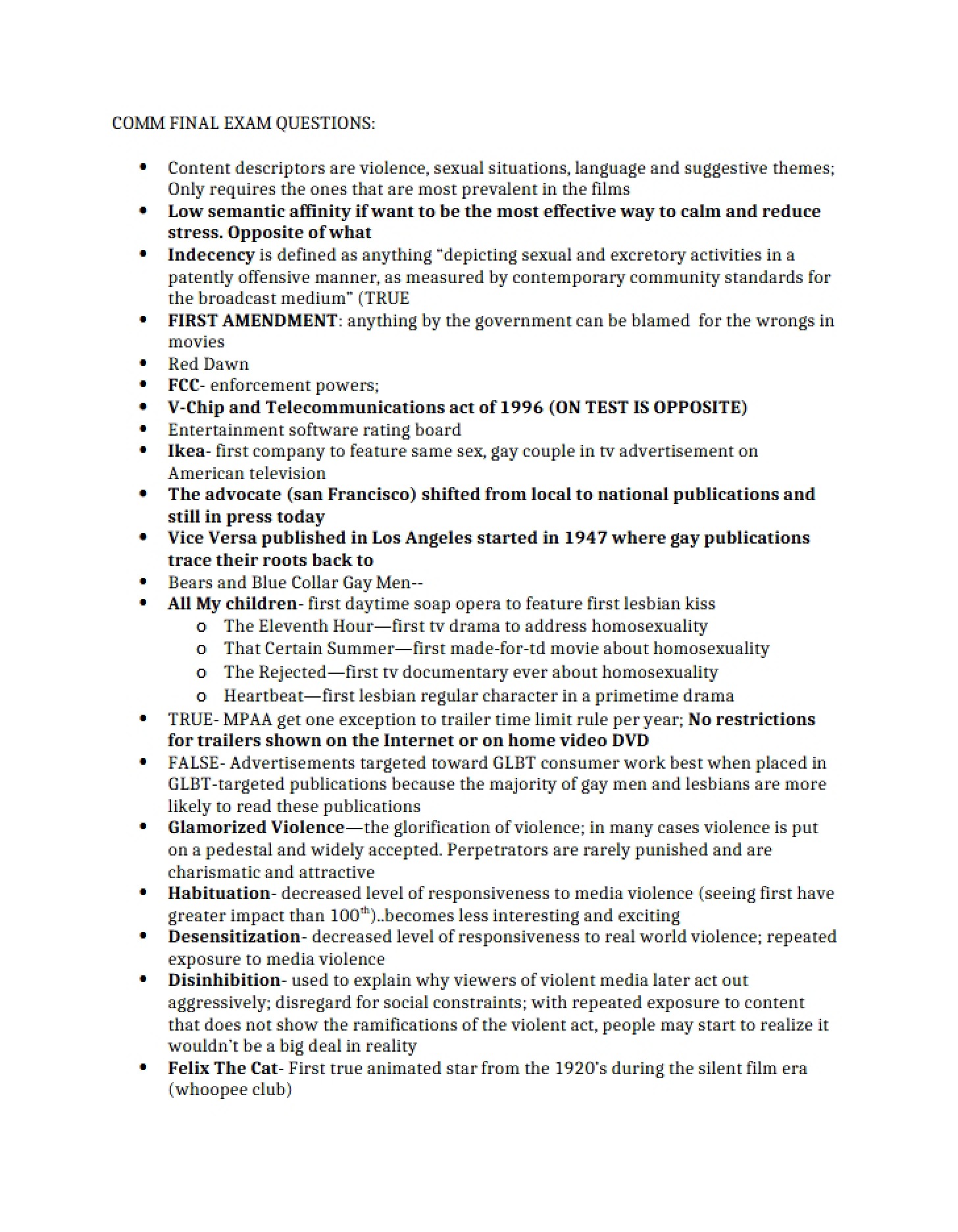
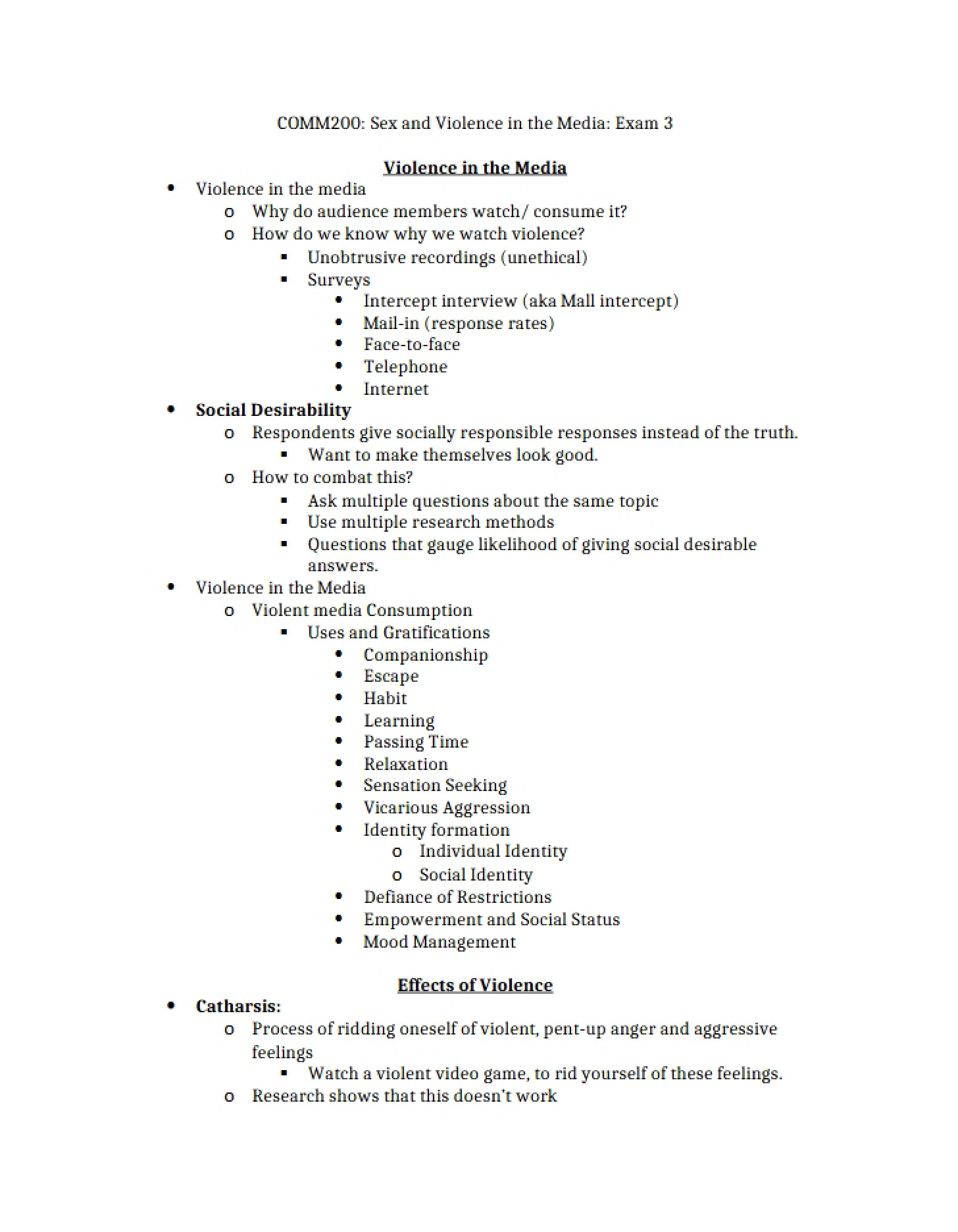
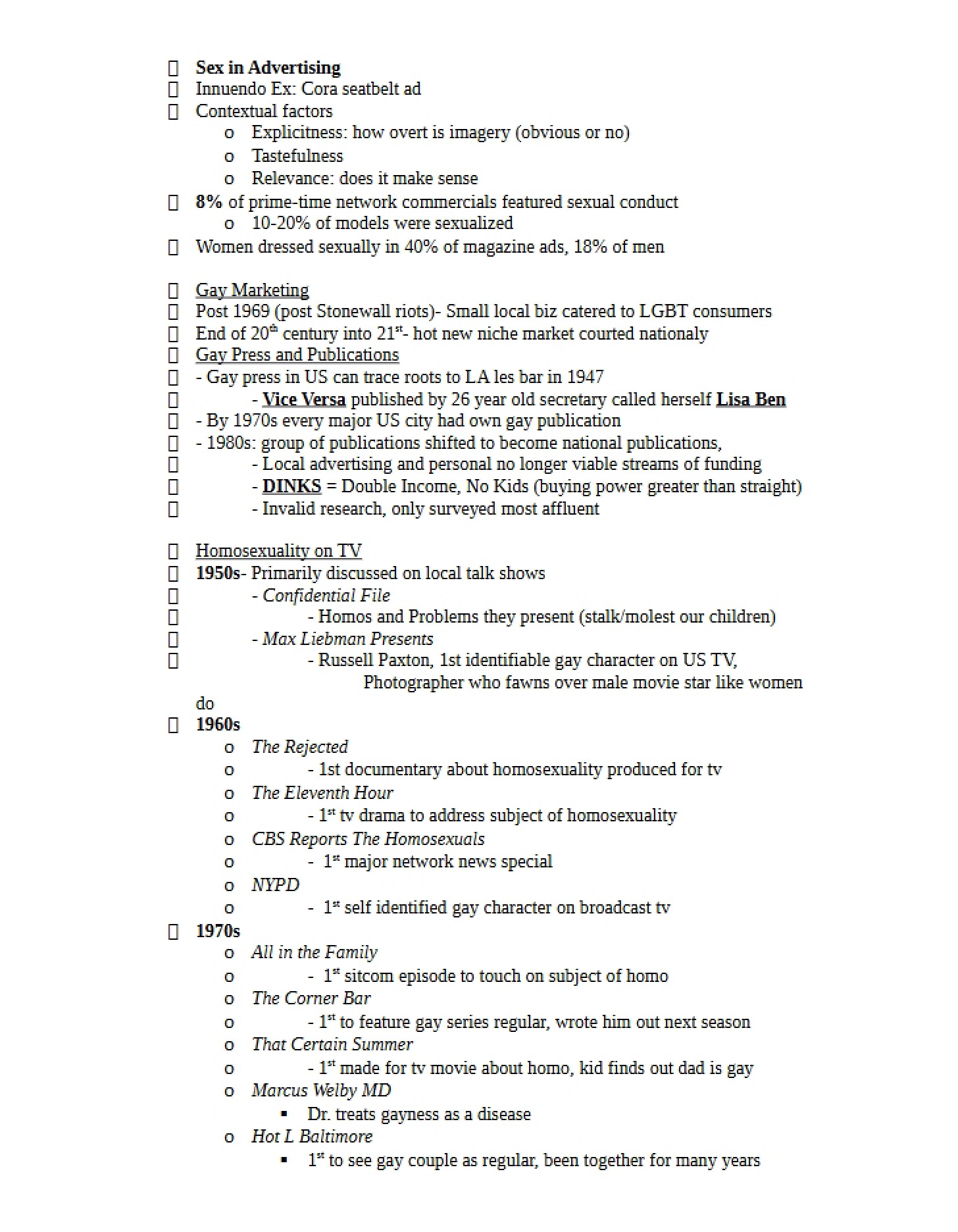
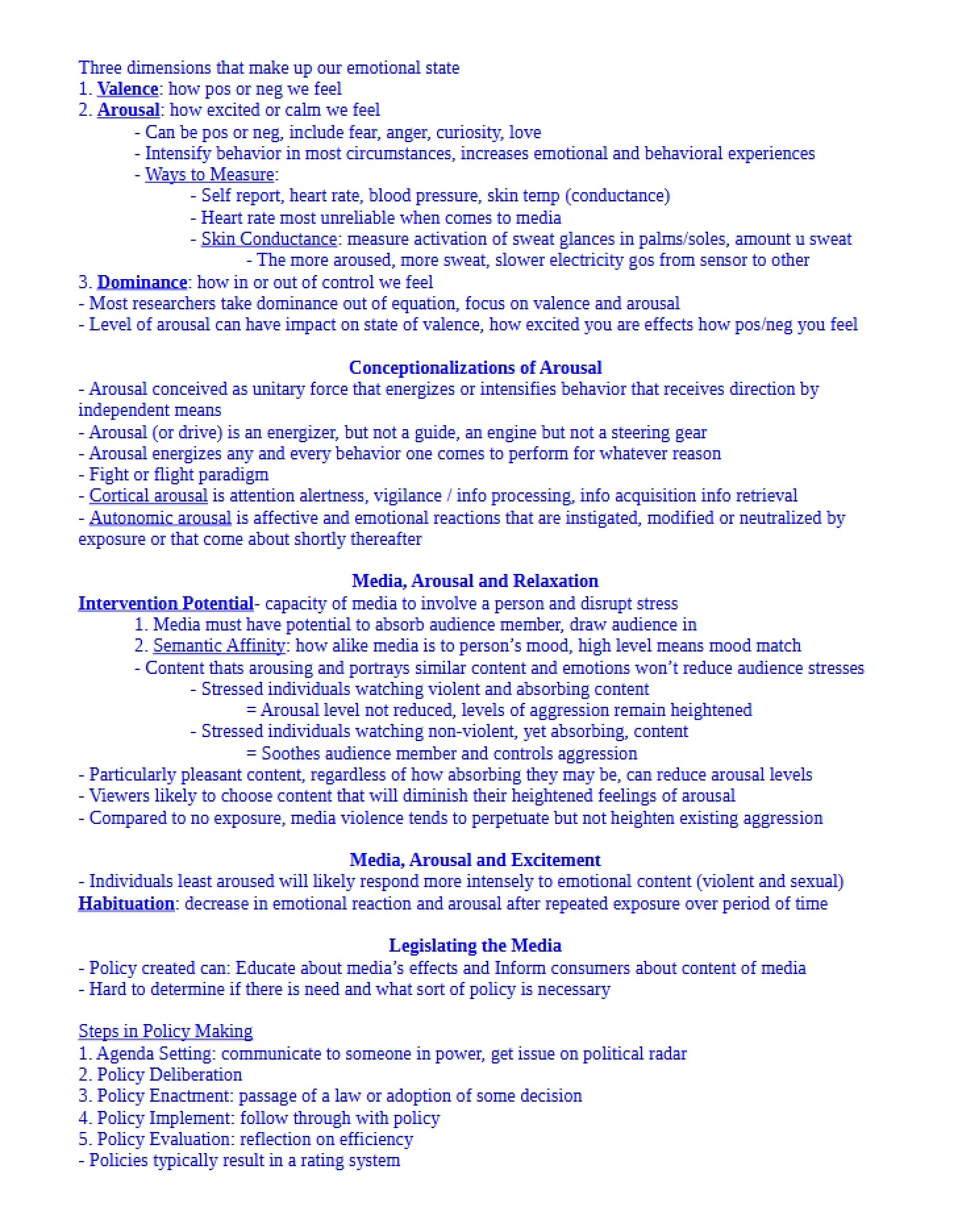
* A comprehensive review of concepts essential for success on Exam 3.