What This Document Is
This document is an examination for SLHS 2204, a Speech and Language Acquisition course offered at the University of Connecticut. It’s designed to assess your understanding of the foundational principles governing how humans develop the ability to communicate, from pre-natal stages through early childhood. This exam focuses on the complex interplay of factors involved in language development, moving beyond simple articulation to encompass broader cognitive and emotional elements.
Why This Document Matters
This resource is invaluable for students currently enrolled in SLHS 2204 preparing for their first major assessment. It’s particularly helpful for those seeking to solidify their grasp of core concepts and identify areas for further study. Reviewing the scope of this exam will allow you to focus your efforts and approach the assessment with confidence. Understanding the breadth of topics covered is crucial for effective preparation.
Topics Covered
* The onset of language acquisition – including pre-natal development
* The relationship between cognition and language
* Methods for measuring language development in pre-verbal infants
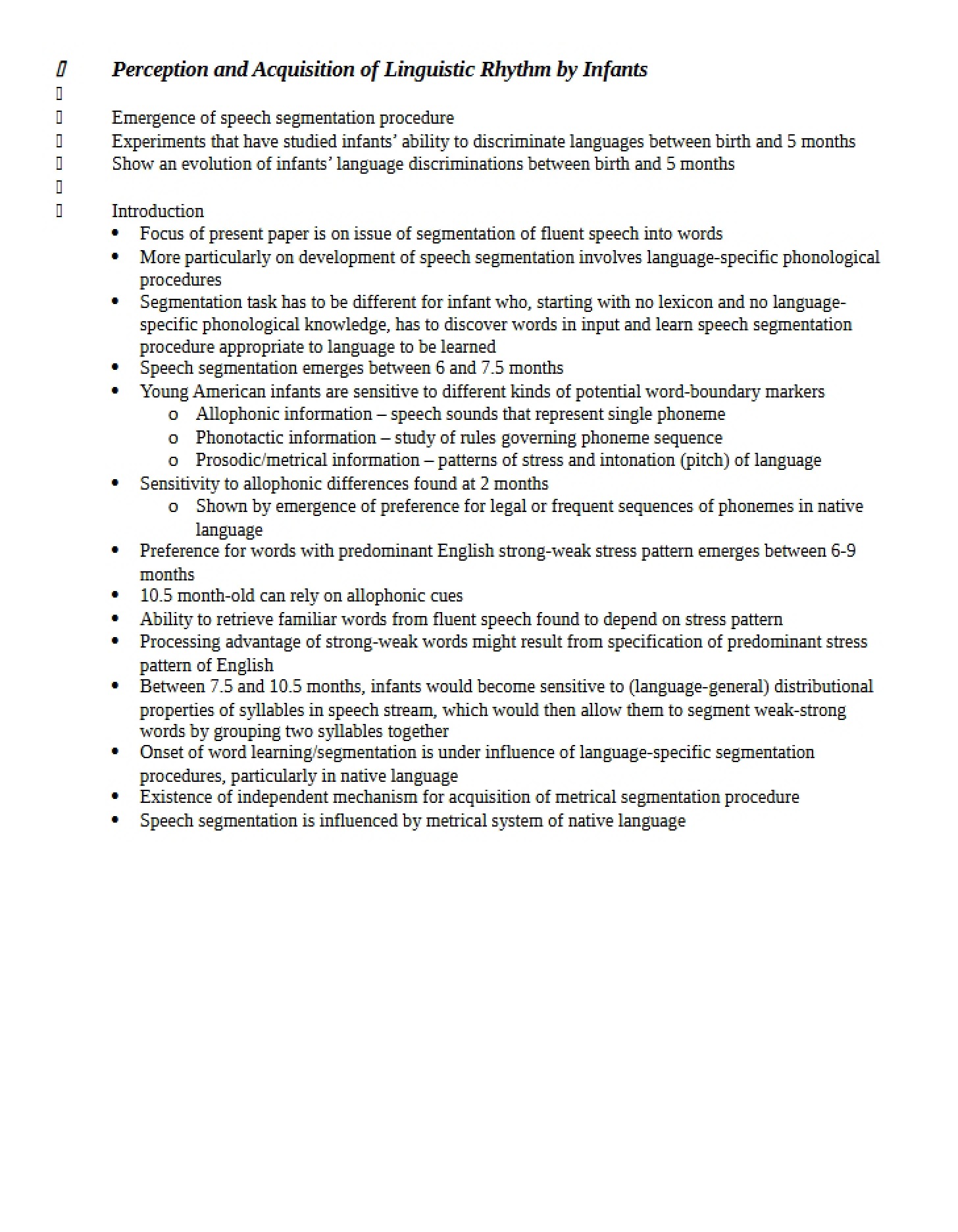
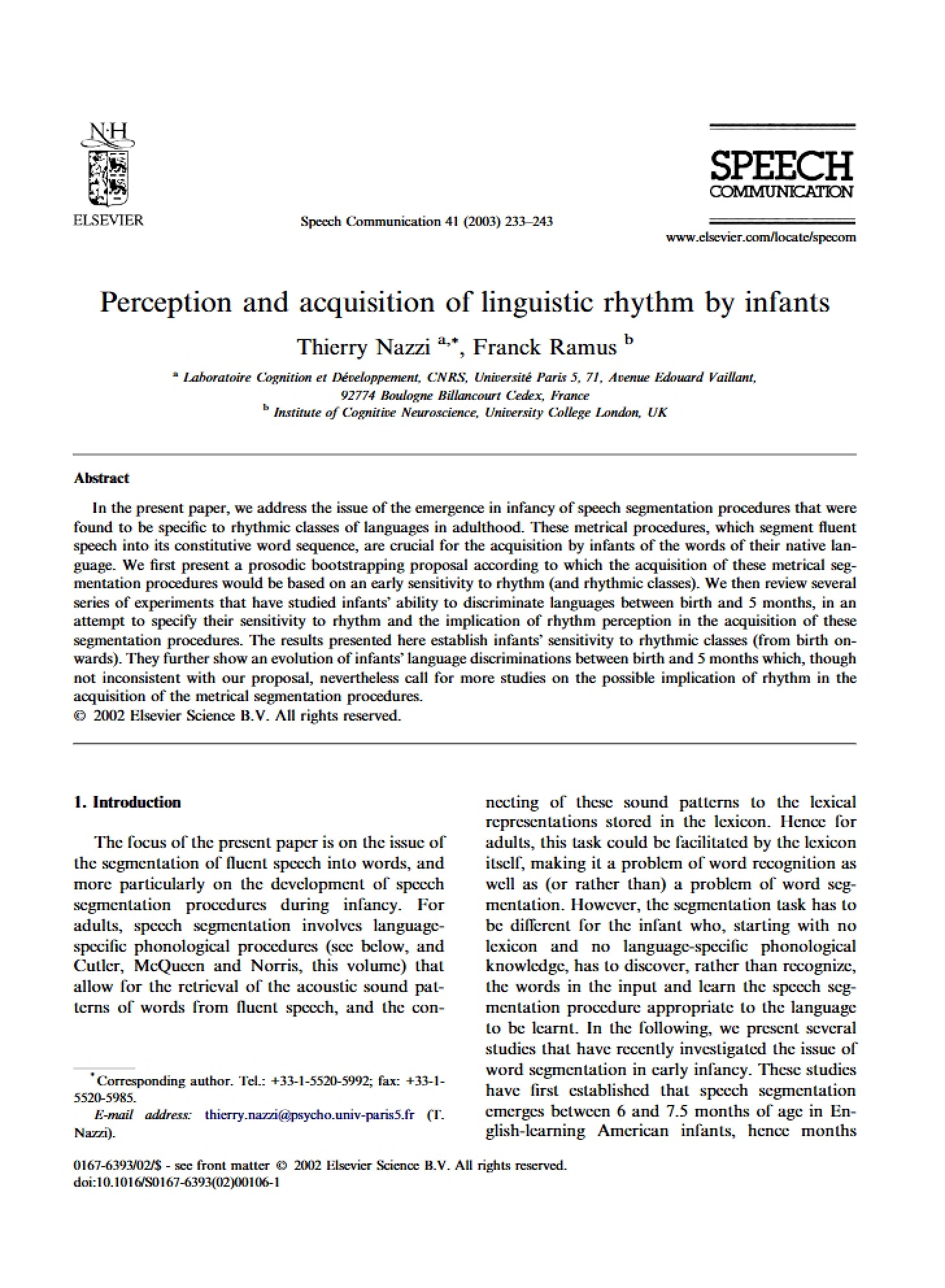
* Acoustic properties of speech and their role in language learning (prosody, rhythm)
* Differences in rhythmic structures across languages
* The characteristics and potential importance of Infant-Directed Speech (IDS)
* The interplay between comprehension and production in language acquisition
* The role of sensory and motor skills in early communication
What This Document Provides
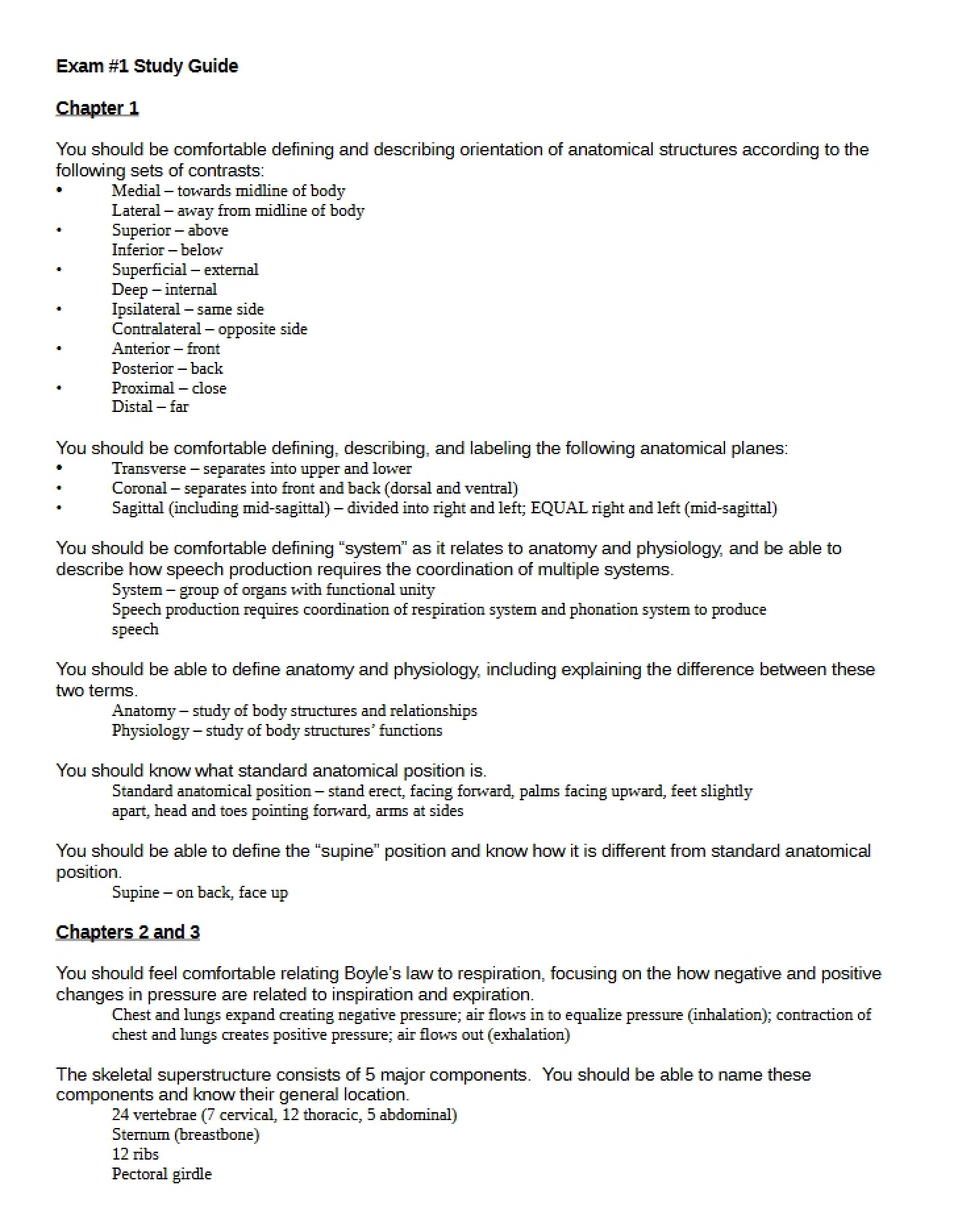
* A comprehensive overview of the key areas emphasized in the first exam for SLHS 2204.
* Insight into the relative importance of different developmental domains (emotional, cognitive, articulatory).
* A framework for understanding the progression of language skills from initial perception to expressive abilities.
* Exposure to the types of concepts and terminology frequently encountered in the course.
* A valuable self-assessment tool to gauge your preparedness for the exam.