What This Document Is
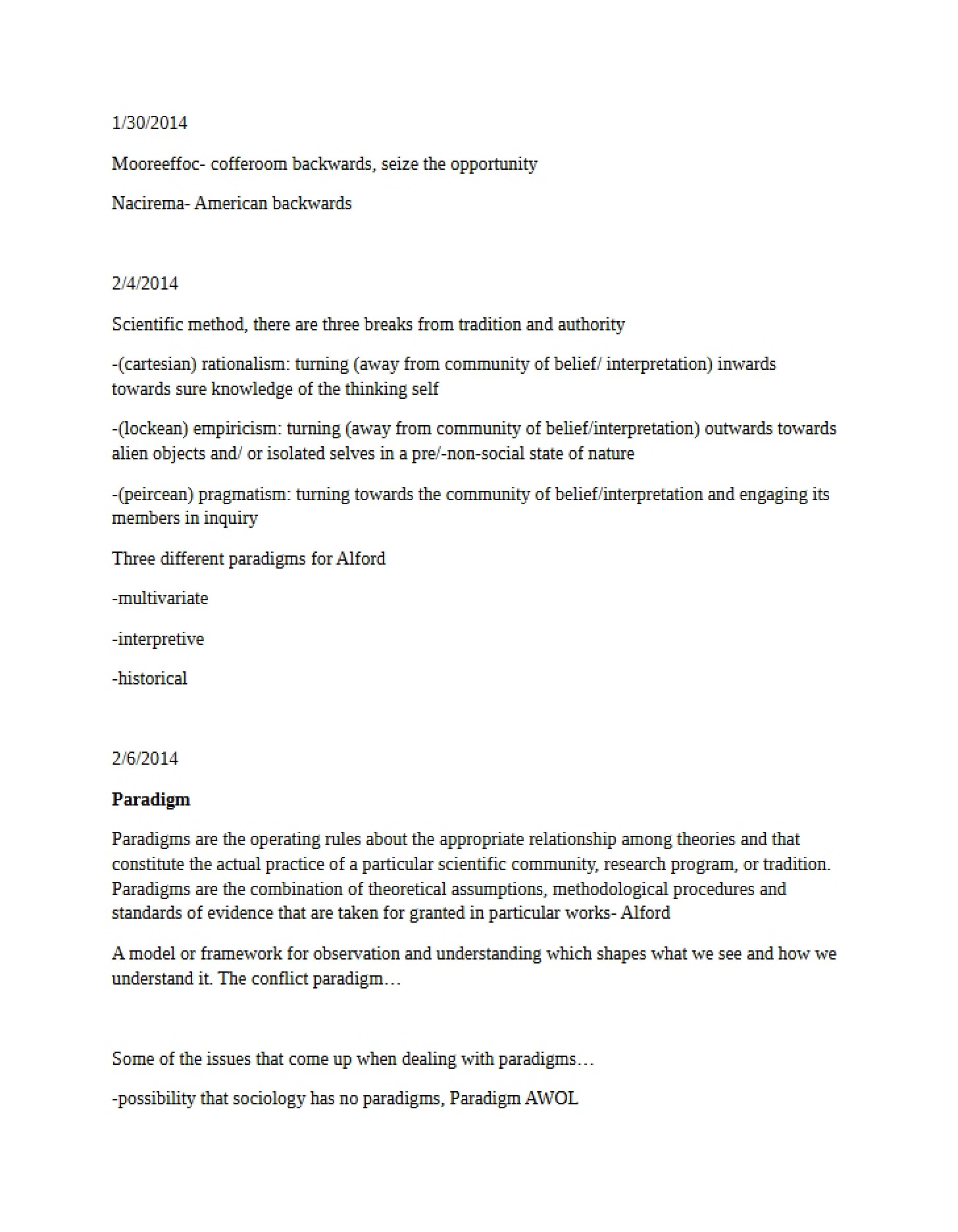
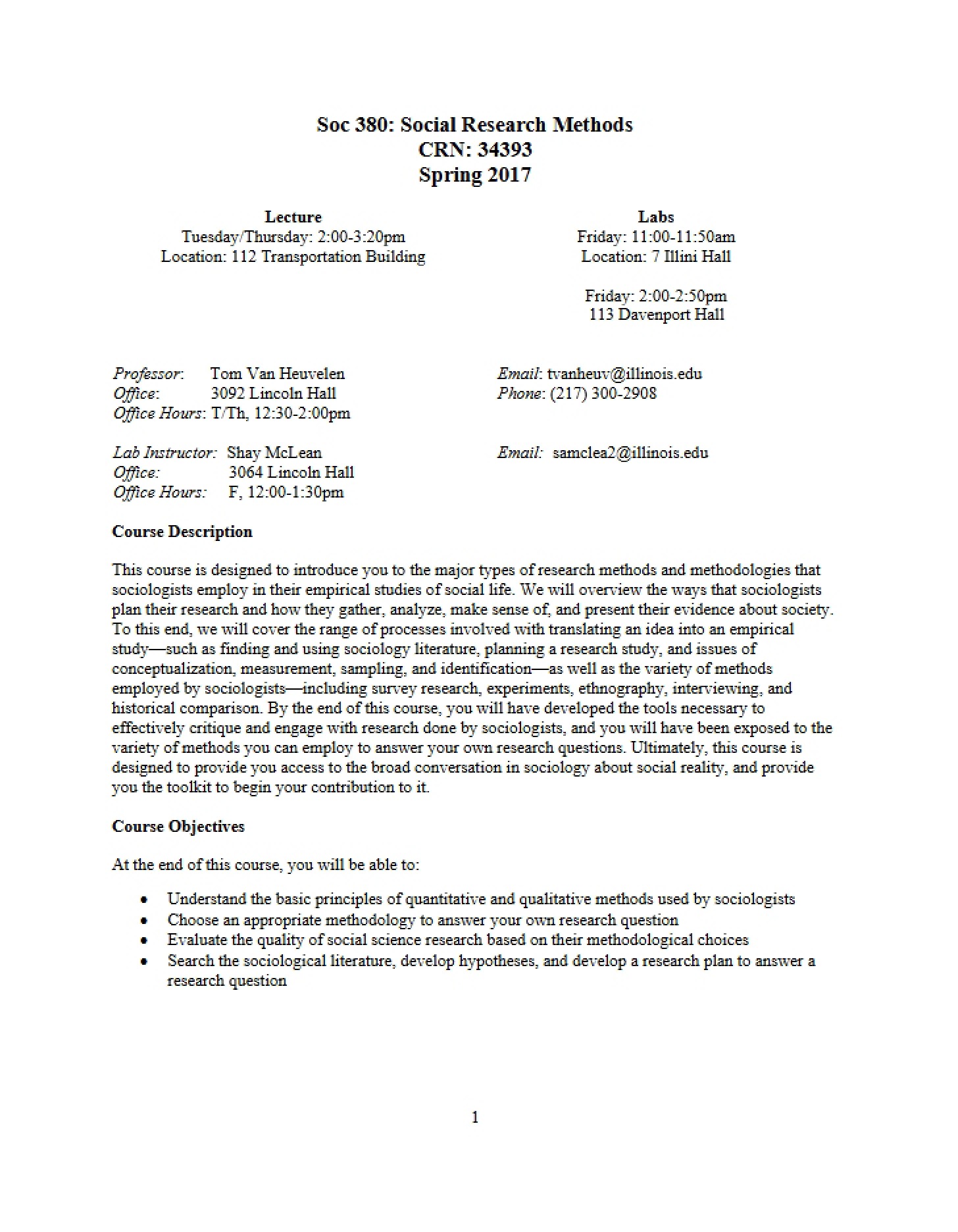
This document is an examination preparation resource for Social Research Methods (SOC 380) at the University of Illinois at Urbana-Champaign. It’s designed to assess your understanding of foundational concepts crucial to the study of sociological research and theory. The material covered focuses on the theoretical underpinnings of social research and how those theories are applied to understand complex social phenomena. It tests comprehension of core ideas related to how researchers approach studying society.
Why This Document Matters
This resource is invaluable for students currently enrolled in SOC 380 preparing for Exam One. It’s particularly helpful for those seeking to solidify their grasp of key theoretical perspectives and their application to real-world issues. Utilizing this preparation material *before* attempting the exam can help identify areas needing further review and improve overall performance. It’s best used after completing assigned readings and participating in class discussions, serving as a focused review tool.
Common Limitations or Challenges
This document is specifically tailored to the content covered in the first exam for SOC 380. It does *not* provide a comprehensive overview of all social research methods, nor does it include detailed explanations of statistical analysis techniques. It also won’t offer new information beyond what was presented in lectures and assigned course materials; it’s a tool for reinforcing existing knowledge, not a substitute for learning the core concepts. It does not contain the actual exam questions.
What This Document Provides
* Key distinctions between different levels of theoretical analysis (macro, micro, meso).
* An overview of major theoretical paradigms in sociology.
* Exploration of the relationship between individual agency and social determinism.
* Discussion of the role of theory in the research process.
* Concepts related to understanding social consciousness and its impact on research.
* Frameworks for analyzing social issues through different theoretical lenses.