What This Document Is
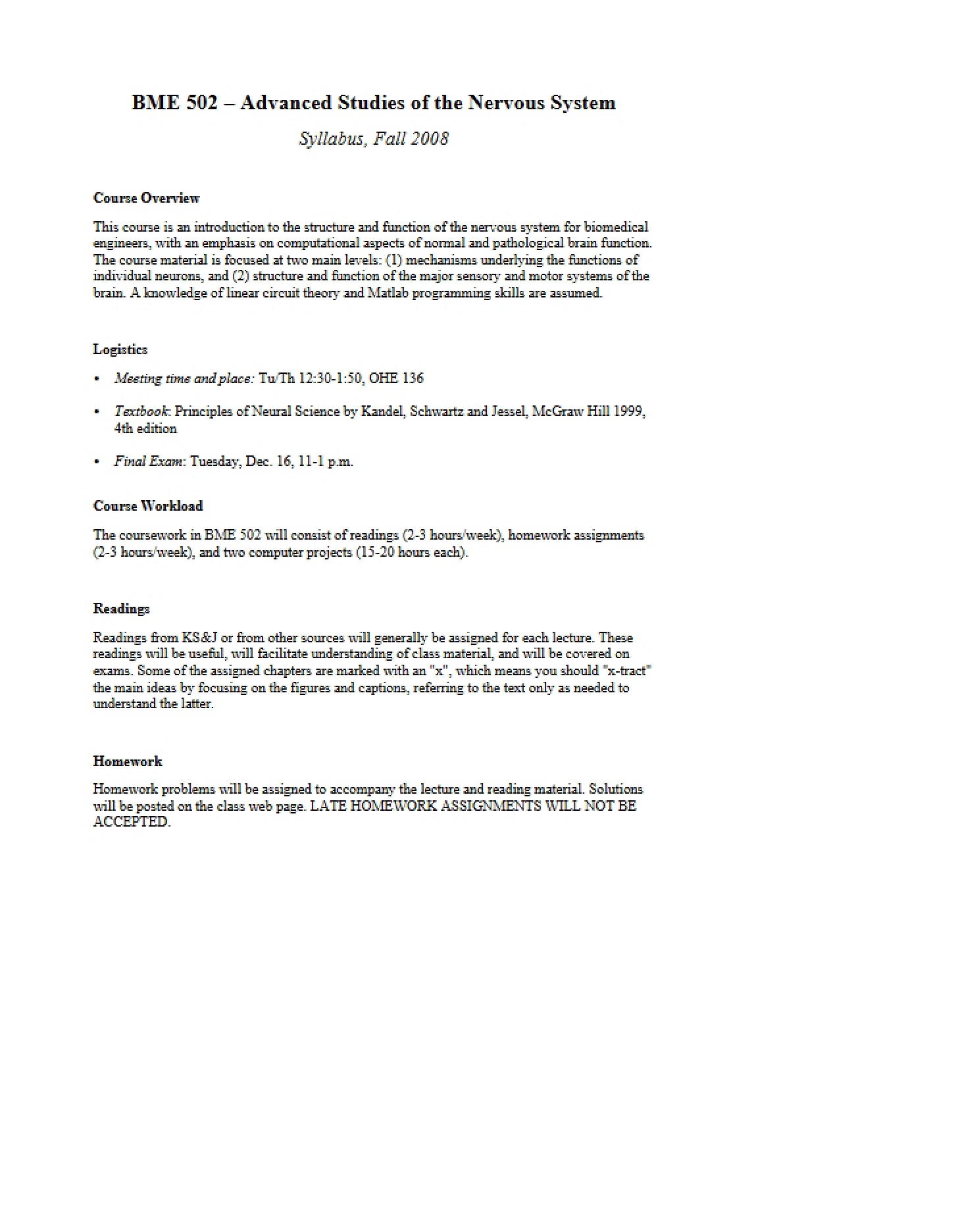
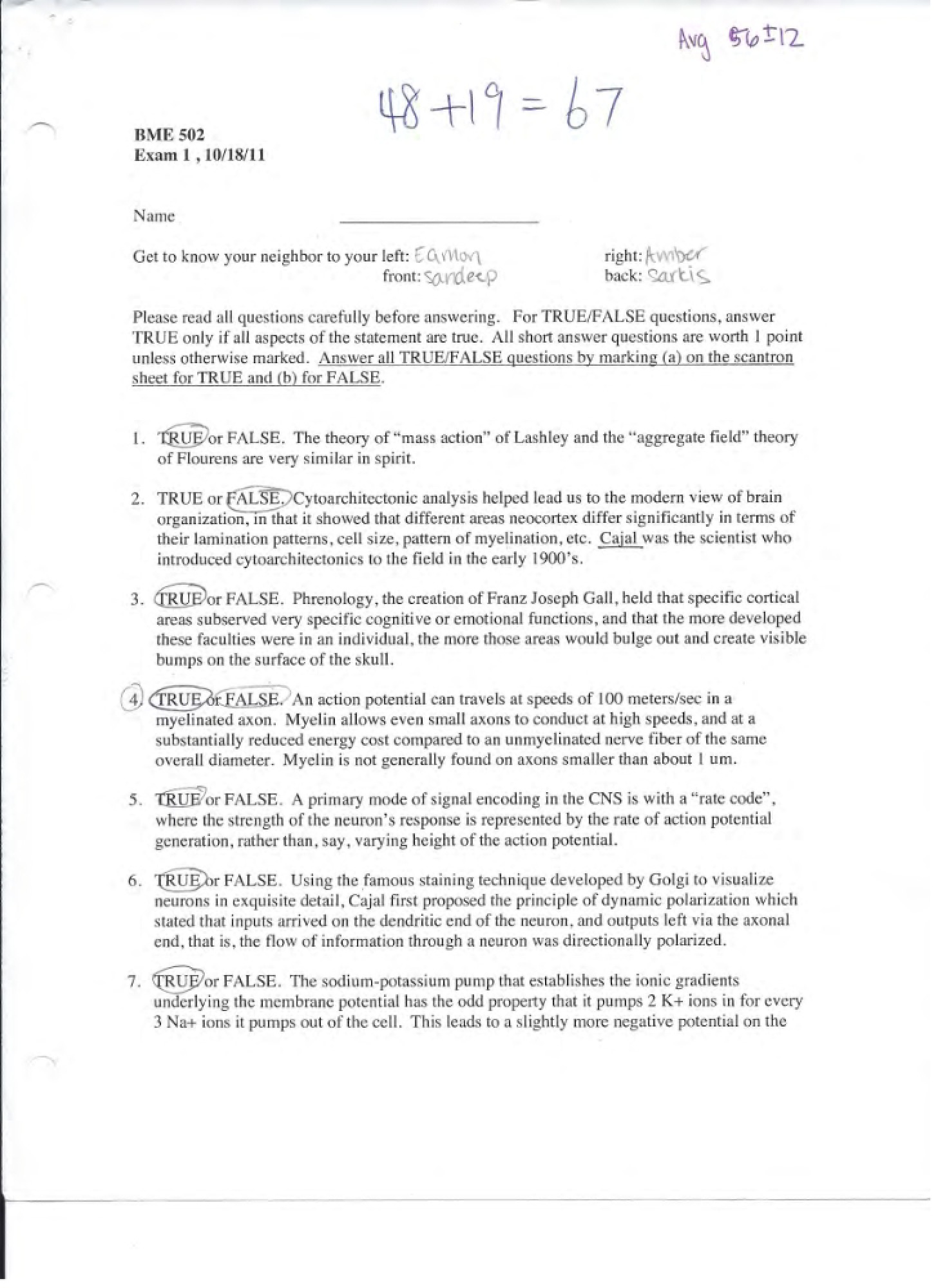
This is a comprehensive study guide designed to help students prepare for Exam One in BME 502: Advanced Studies of the Nervous System at the University of Southern California. It focuses on foundational concepts critical to understanding neural function, spanning historical perspectives to modern biophysical models. The guide systematically reviews core principles and terminology essential for success in this advanced neuroscience course.
Why This Document Matters
This resource is invaluable for students aiming to solidify their understanding of the complex mechanisms underlying nervous system operation. It’s particularly useful for those who benefit from a structured review of key topics before an assessment. Utilize this guide during your final exam preparation, as a tool to identify knowledge gaps, and to reinforce your grasp of fundamental neuroscience principles. Students who proactively engage with this material will be well-positioned to demonstrate mastery of the course’s initial concepts.
Common Limitations or Challenges
This study guide is intended as a focused review and does *not* substitute for attending lectures, completing assigned readings, or actively participating in laboratory sessions. It does not contain the full scope of all lecture material, nor does it provide new information beyond what has been presented in the course. It also doesn’t offer worked-out problems or detailed explanations of complex calculations – those are best reviewed through practice and course materials.
What This Document Provides
* A historical overview of key figures and experimental methods that shaped our understanding of neuroscience.
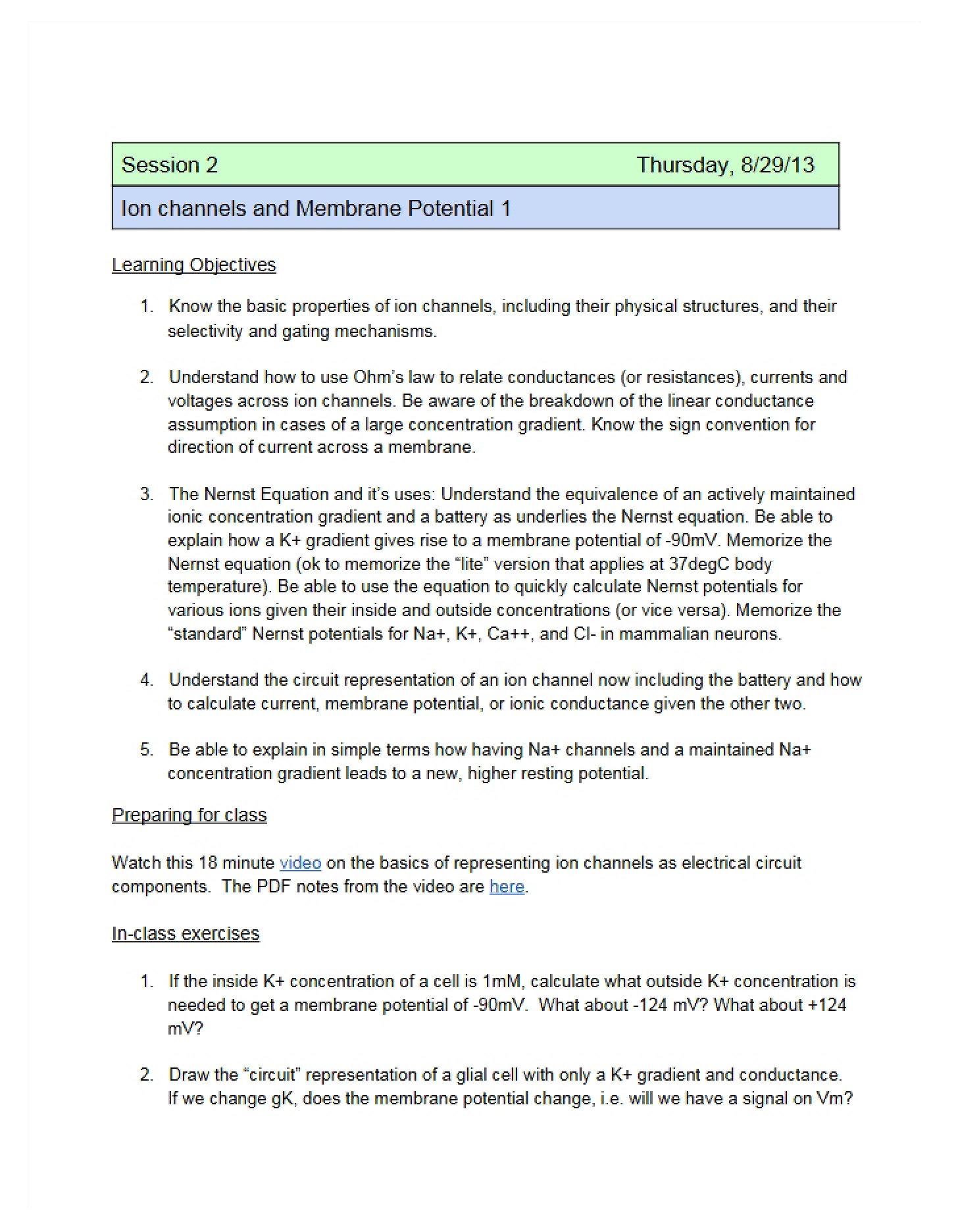
* A review of ion channel function, including selectivity, gating mechanisms, and relevant equations.
* Coverage of passive electrical properties of neurons and the principles of voltage clamping.
* A detailed exploration of the Hodgkin-Huxley model of the action potential.
* An examination of neural cable theory, including the space constant and input resistance.
* A comparative overview of synaptic transmission, including gap junctions and chemical synapses.