What This Document Is
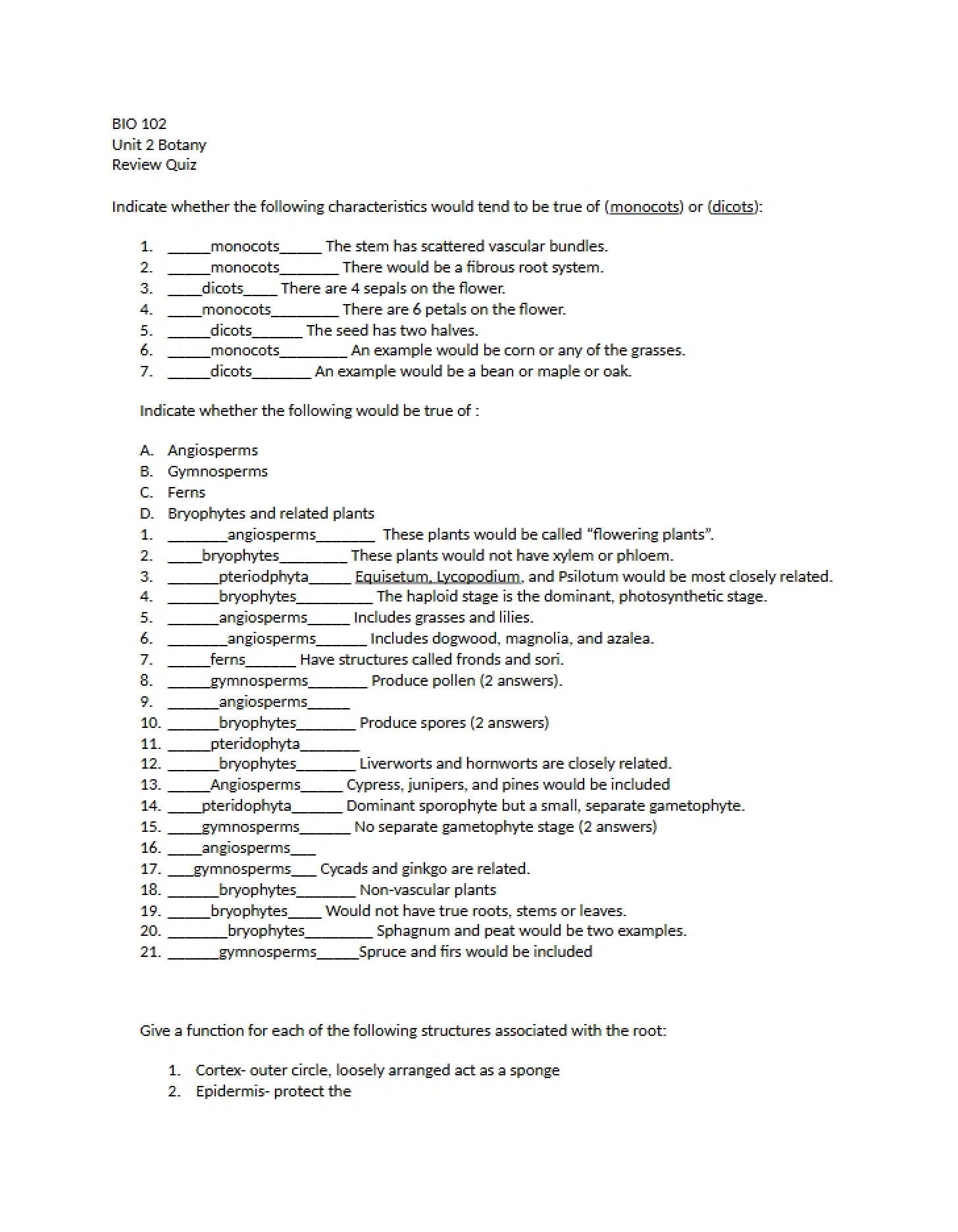
This is a comprehensive study guide designed to prepare students for Exam Two in Biological Principles II Laboratory (BIOL 102L) at the University of South Carolina. It focuses on core concepts within plant biology, covering plant diversity, structure, function, and reproduction. The guide systematically reviews material from several chapters, aiming to consolidate understanding of complex botanical processes.
Why This Document Matters
This guide is an invaluable resource for students aiming to succeed on the upcoming exam. It’s particularly helpful for those who benefit from a structured review of key terms and concepts. Use this guide to identify areas where your understanding needs strengthening, and to focus your study efforts effectively. It’s best utilized *after* completing the assigned readings and lab activities, serving as a tool for synthesis and preparation, not a replacement for core course materials. Students who proactively engage with this guide will be better positioned to demonstrate mastery of the subject matter.
Common Limitations or Challenges
This study guide is not a substitute for attending lectures, completing laboratory exercises, or engaging with the primary course textbook. It does not contain detailed explanations of experimental procedures, nor does it provide solutions to practice problems. The guide highlights essential topics, but a complete understanding requires a thorough engagement with all course materials. It also assumes a foundational knowledge of biological principles covered in the first half of the course.
What This Document Provides
* A focused review of plant diversity, including both non-vascular and vascular plant characteristics.
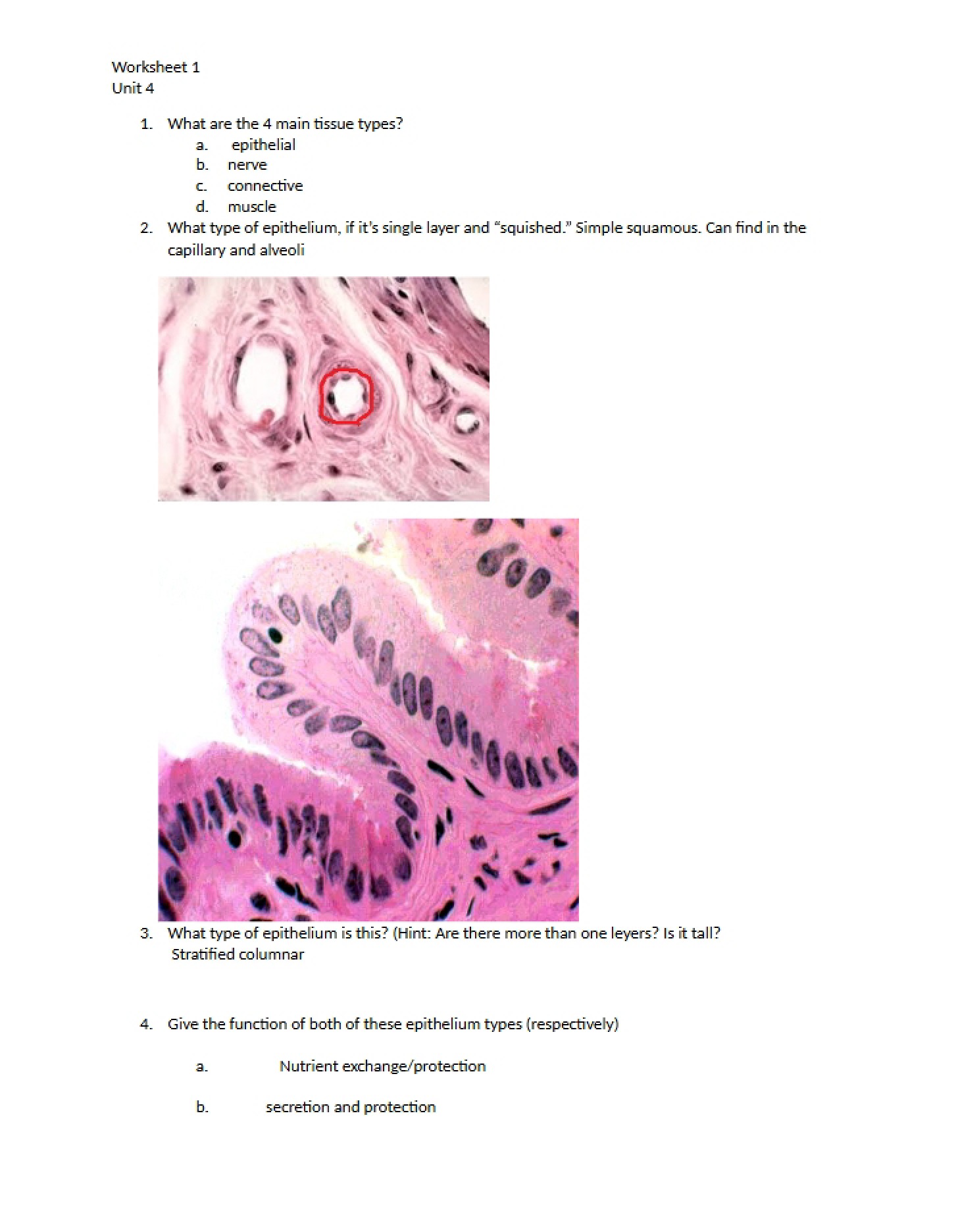
* Key terminology related to plant anatomy, physiology, and reproductive strategies.
* An overview of plant structure, from root and shoot systems to cellular components and tissue types.
* Coverage of resource acquisition and transport mechanisms in vascular plants, including water potential and translocation.
* A summary of angiosperm reproduction, including pollination, fertilization, and seed development.
* Discussion of plant growth patterns, including primary and secondary growth, and factors influencing development.
* Exploration of plant adaptations and reproductive strategies, including asexual reproduction and mechanisms to avoid self-pollination.