What This Document Is
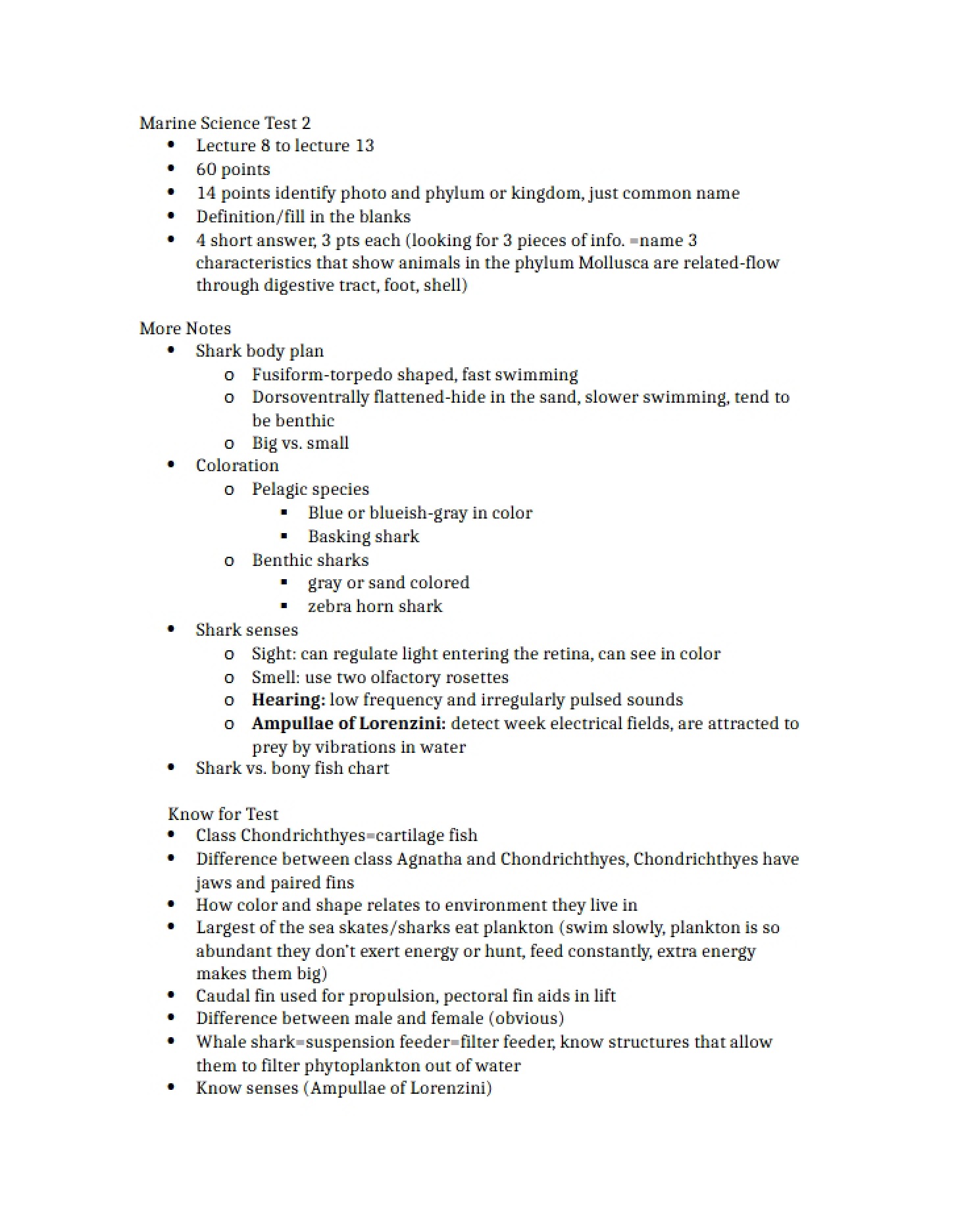
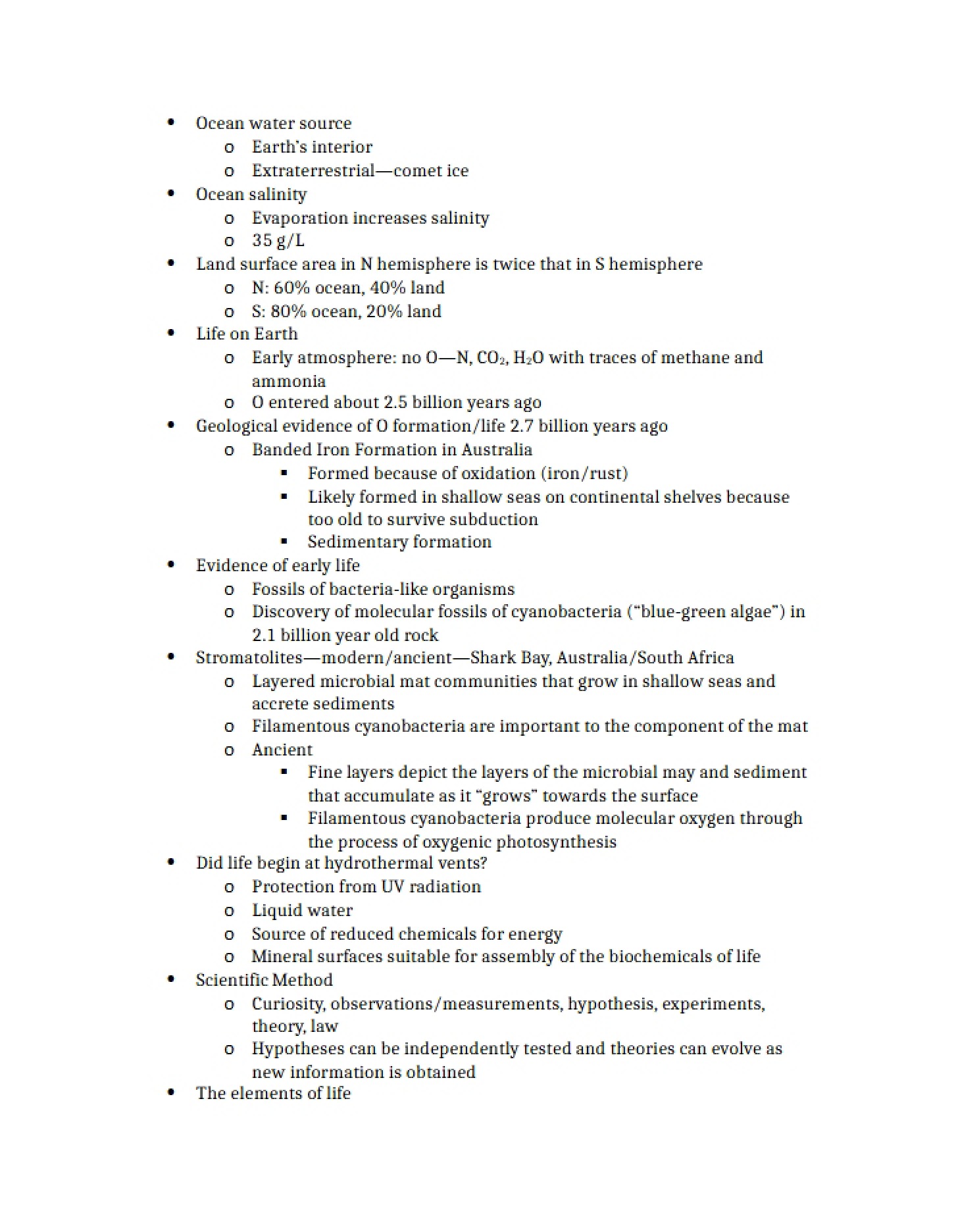
This study guide provides a focused review of core concepts covered in Examination 2 for MSCI 102: The Living Ocean at the University of South Carolina. It delves into the foundational principles of marine organism classification, evolutionary biology as it applies to ocean life, and the intricate relationships within marine ecosystems. The guide synthesizes information relating to energy flow, trophic dynamics, and methods used to study marine microorganisms.
Why This Document Matters
This resource is invaluable for students preparing for Examination 2. It’s designed to help you consolidate your understanding of key themes discussed in the course, identify areas needing further review, and build confidence before the assessment. It’s particularly useful for students who benefit from a structured overview of complex topics and those looking to connect theoretical concepts to real-world marine environments. Utilizing this guide will help you efficiently focus your study efforts and maximize your performance on the exam.
Common Limitations or Challenges
This study guide is intended as a *supplement* to course lectures, readings, and laboratory exercises – it is not a replacement for them. It offers a condensed overview and does not include detailed explanations of every concept. It also does not contain practice questions or example problems. The guide assumes a foundational understanding of biological principles and does not re-teach introductory material. Access to the full guide is required to reveal the specific details and nuances of each topic.
What This Document Provides
* A comparative overview of different biological classification systems (including phenotypic and genotypic approaches).
* Key principles of Darwin’s theory of evolution and their relevance to marine species.
* An exploration of trophic levels and the dynamics of marine food chains and webs.
* Descriptions of methodologies used in marine organism observation and quantification.
* Detailed information on specific marine microorganisms, including diatoms and dinoflagellates, and their ecological roles.
* Discussion of important biogeochemical ratios and their significance in marine environments.