What This Document Is
This is an examination for BIO 2110, Principles of Molecular and Classical Genetics, offered at Wright State University. It assesses student understanding of core genetic principles covered in the course, likely focusing on material presented during the latter portion of the semester. The exam is designed to evaluate both conceptual knowledge and problem-solving abilities within the field of genetics. It appears to be a closed-book exam, permitting the use of calculators.
Why This Document Matters
This resource is invaluable for students currently enrolled in BIO 2110 preparing for their third examination. It’s particularly useful for self-assessment and identifying areas where further study is needed. Working through practice problems (available with full access) mirroring the exam’s style and difficulty can significantly boost confidence and improve performance. Students who have diligently attended lectures and completed assigned readings will find this exam a strong indicator of their preparedness. It’s best utilized in the days leading up to the actual exam, after a thorough review of course materials.
Common Limitations or Challenges
This examination represents a specific assessment from a particular course and instructor. While the concepts tested are fundamental to genetics, the precise emphasis and problem types may vary. This document *does not* include detailed explanations of the solutions, nor does it offer comprehensive review material for the topics covered. It is designed to *test* knowledge, not to *teach* it. Access to the full document is required to view the questions and attempt solutions.
What This Document Provides
* A series of problems relating to population genetics and Hardy-Weinberg equilibrium.
* Quantitative genetics scenarios involving trait variation and heritability.
* Questions focused on natural selection and its impact on allele frequencies.
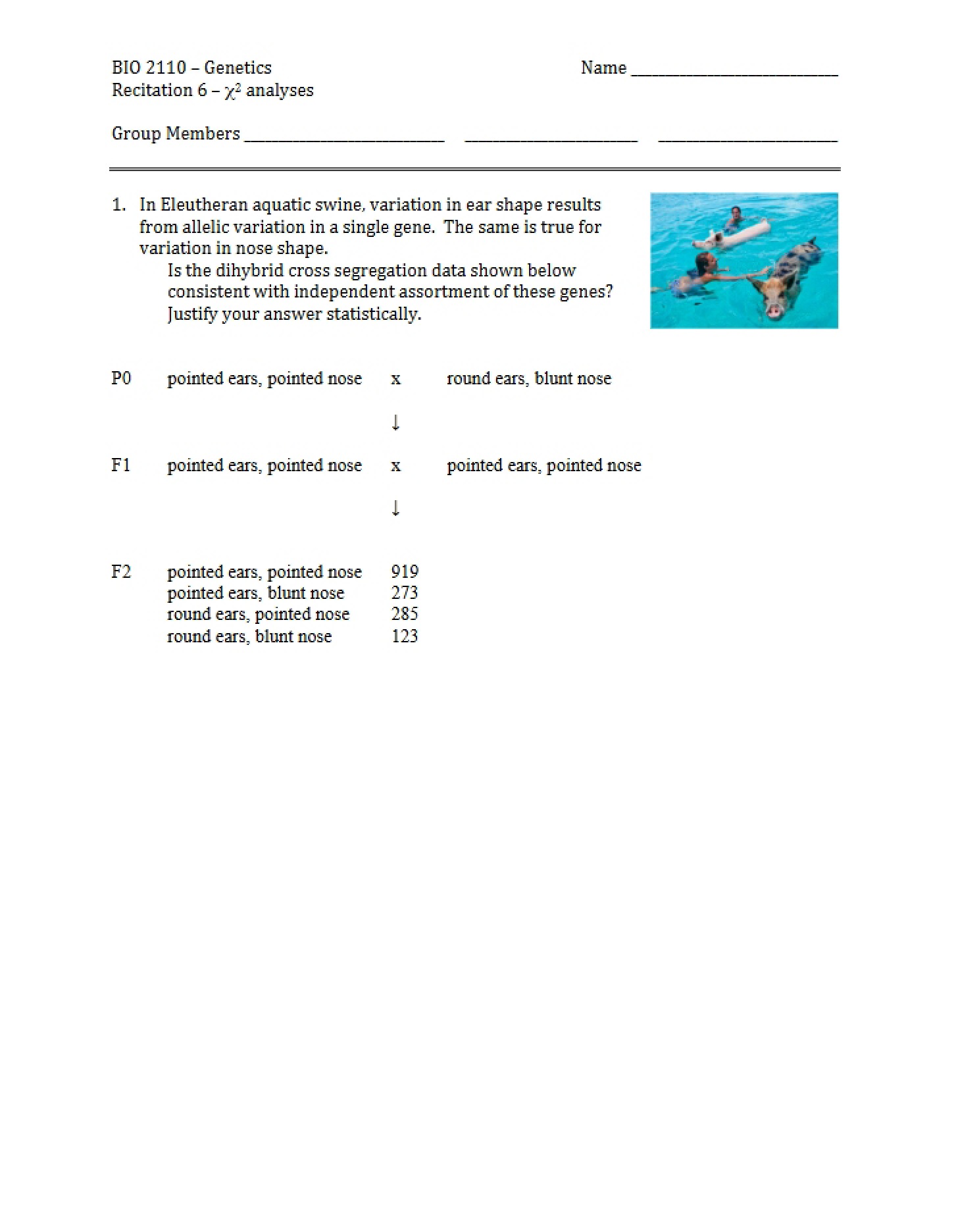
* Problems involving statistical analysis of genetic data, including the calculation of Lod scores and p-values.
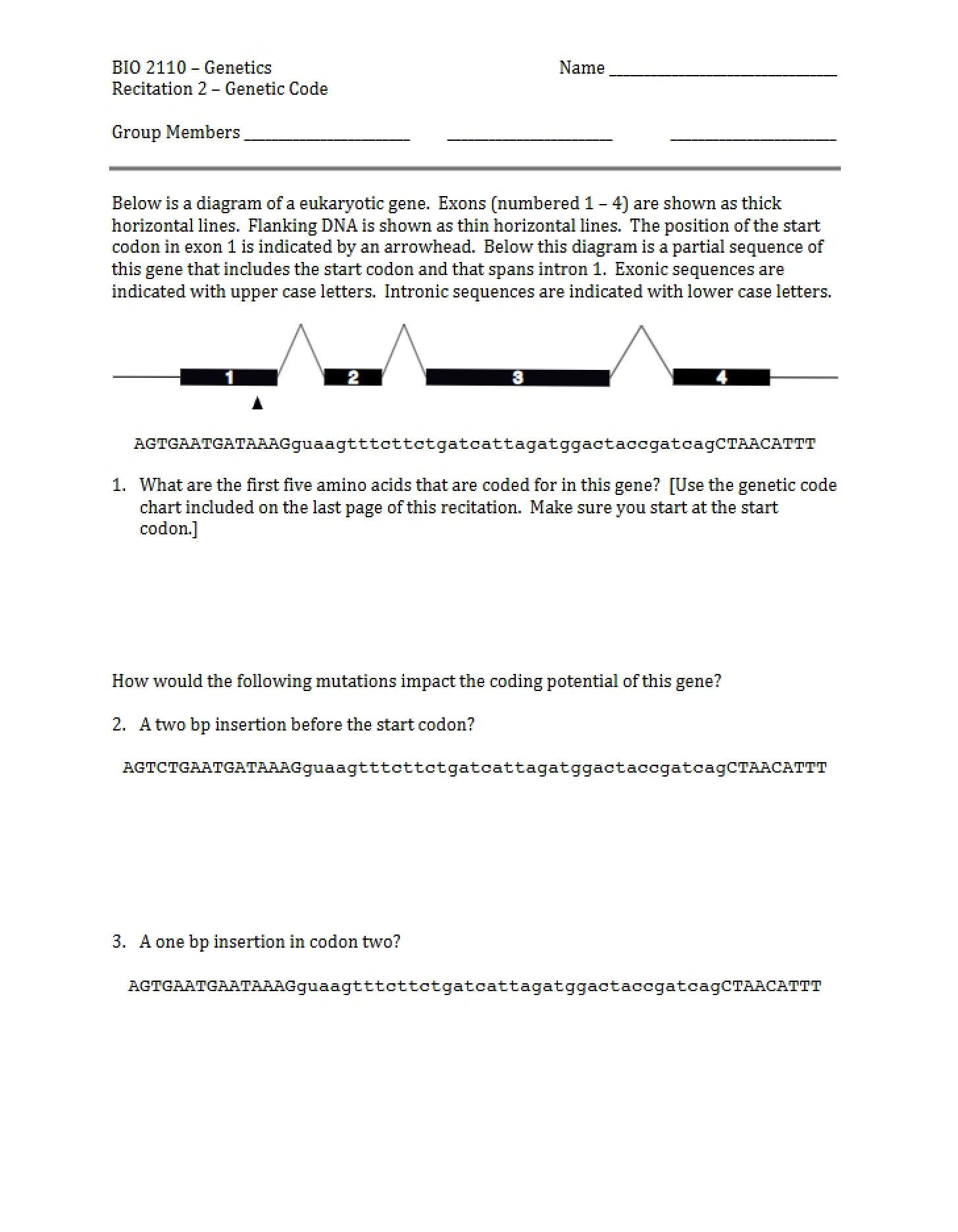
* Scenarios exploring mutation rates and the dynamics of allele fixation.
* Problems relating to inbreeding coefficients and phenotypic frequencies.
* A reference section containing potentially useful formulae (located on the last page).