What This Document Is
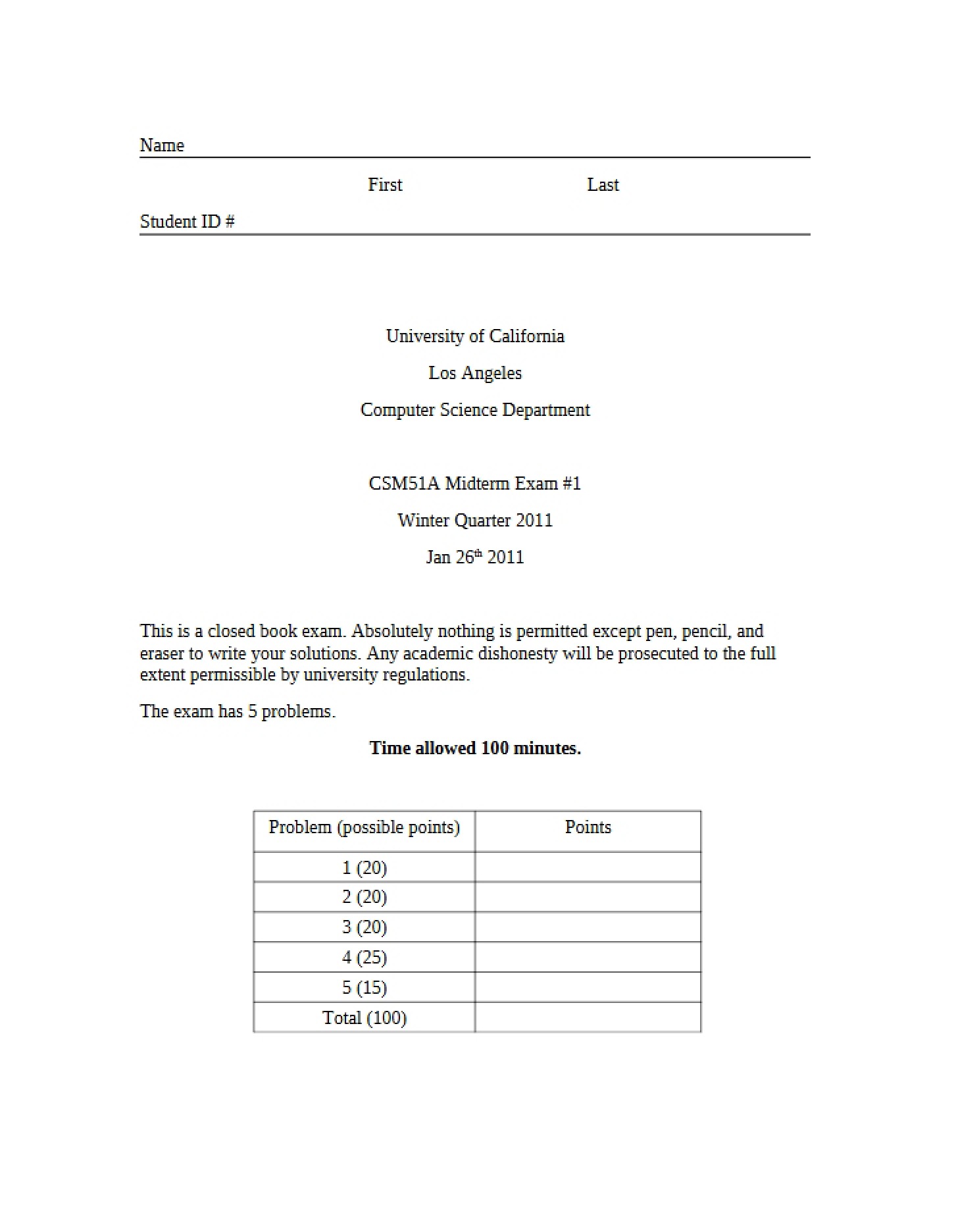
This is a final examination for Logic Design of Digital Systems (COMSCI M51A) at UCLA, covering core principles and practical applications of digital logic. It’s designed to assess a student’s comprehensive understanding of the course material through a series of challenging design and analysis problems. The exam is closed-book, closed-notes, and prohibits the use of electronic devices, emphasizing a reliance on fundamental knowledge.
Why This Document Matters
This resource is invaluable for students currently enrolled in, or preparing for, a similar logic design course. It’s particularly helpful for those seeking to test their understanding of key concepts and practice applying them to complex scenarios. Reviewing a completed exam – once access is granted – can reveal the types of questions expected, the depth of knowledge required, and effective problem-solving strategies. It’s best utilized as a self-assessment tool after thorough study of course materials.
Topics Covered
* Combinational Logic Design
* Sequential Logic Design
* Counter Implementation & Modification
* Read-Only Memory (ROM) Applications
* State Machine Design & Analysis
* Flip-Flop Based Systems
* Pattern Recognition Logic
* Modular Sequential System Design
What This Document Provides
* A series of comprehensive problems requiring detailed digital logic design solutions.
* Questions focused on translating functional specifications into hardware implementations.
* Scenarios involving the optimization of designs for component count and efficiency.
* Problems requiring the application of various digital building blocks like encoders, counters, multiplexers, and shift registers.
* Opportunities to demonstrate understanding of state diagrams, state tables, and excitation tables.
* A realistic assessment of the skills and knowledge expected in an upper-level digital logic course.