What This Document Is
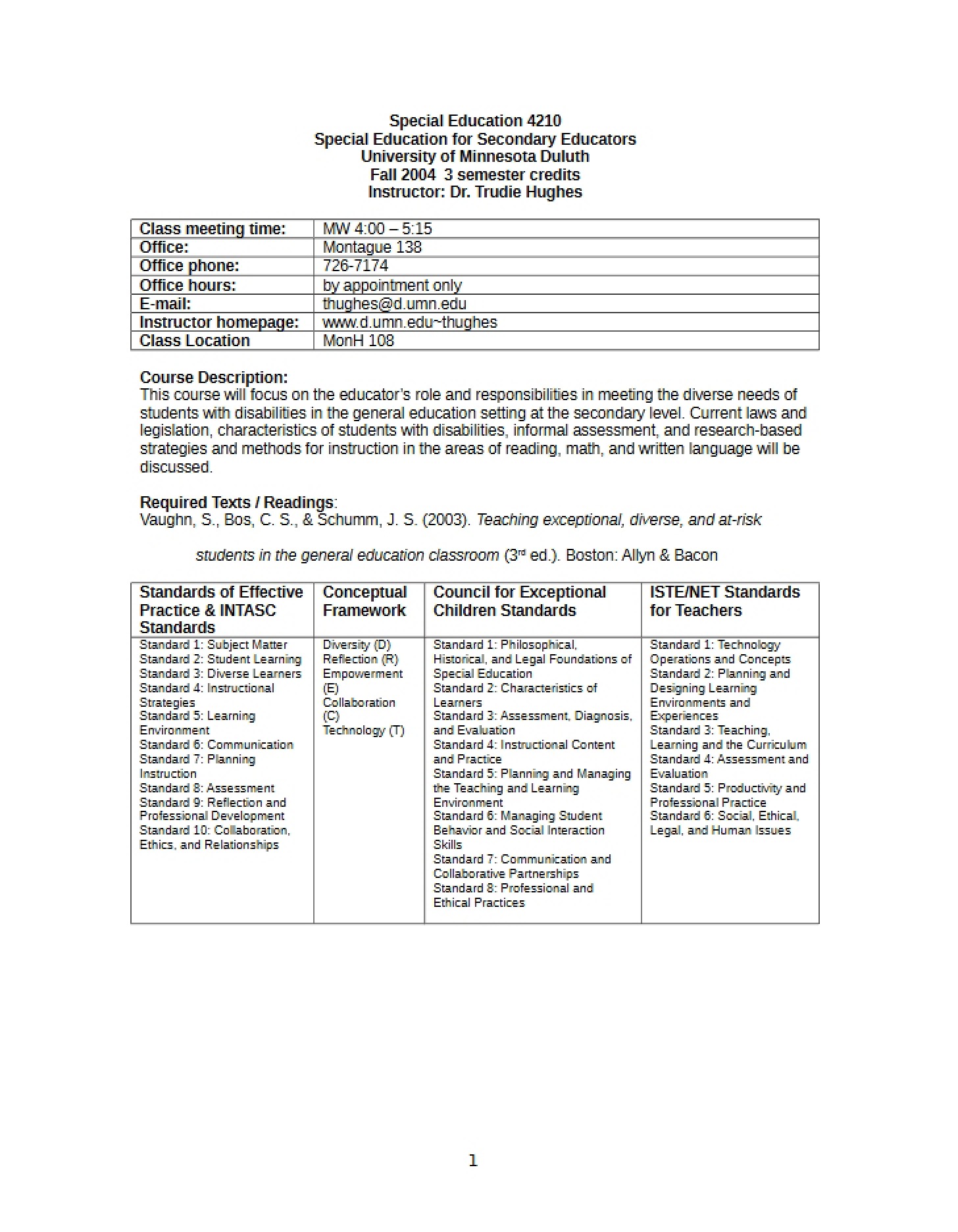
This resource is a comprehensive overview of key principles and practices in special education, specifically geared towards secondary educators. It delves into the landscape of supporting exceptional, at-risk, and diverse students within general education settings. The material explores the legal foundations of special education, the processes involved in identifying and supporting students with disabilities, and the collaborative roles of educators and families. It appears to be a foundational text, likely used in teacher preparation programs.
Why This Document Matters
This resource is invaluable for pre-service and in-service secondary teachers seeking to build a strong understanding of inclusive practices. It’s particularly relevant for those enrolled in special education coursework or professional development, and for educators who collaborate with special education professionals. Understanding the concepts presented will empower you to create more accessible and equitable learning environments for *all* students, and navigate the complexities of legal requirements and individualized student needs. It’s most beneficial when used as a core text alongside practical field experiences.
Common Limitations or Challenges
While this resource provides a broad overview of essential concepts, it does not offer ready-made lesson plans, specific intervention strategies, or detailed case studies. It focuses on the *framework* of special education rather than providing step-by-step instructions for implementation. It also doesn’t cover every disability category in exhaustive detail, and may not reflect the very latest legislative updates. Access to the full resource is needed to gain a complete understanding of the nuances within each topic.
What This Document Provides
* An exploration of the historical and legal foundations of special education, including key legislation.
* An overview of core principles like Least Restrictive Environment and Individualized Education Programs (IEPs).
* Discussion of the roles and responsibilities of various members of the educational team.
* Information regarding related services available to students with disabilities.
* Insight into the process of identifying and evaluating students for special education eligibility.
* Consideration of the unique needs of diverse learners within the general education classroom.
* Examination of the components required within a comprehensive IEP.