What This Document Is
This study guide provides a focused exploration of the pharyngeal anatomy, a critical component within the broader study of speech mechanisms. Specifically designed for students in Anat & Physiol Spch Mechanism (SHS 300) at the University of Illinois at Urbana-Champaign, this resource delves into the structural organization of the pharynx and its associated musculature. It’s intended to supplement core course materials and offer a deeper understanding of this complex anatomical region.
Why This Document Matters
This guide is invaluable for students preparing for assessments, seeking to solidify their understanding of head and neck anatomy, or needing a concentrated resource for review. It’s particularly helpful for those studying speech-language pathology, audiology, or related communication sciences fields where a precise knowledge of pharyngeal structures is essential for understanding normal function and potential dysfunction. Professionals needing a refresher on the anatomy relevant to swallowing and speech will also find this a useful resource.
Common Limitations or Challenges
This guide focuses specifically on the anatomy of the pharynx. It does *not* provide comprehensive coverage of related systems like the nervous system or detailed physiological processes like swallowing or speech production. While it references key muscles, it doesn’t offer detailed instructions on dissection or palpation techniques. It is designed to be a focused study aid, not a replacement for textbooks, lectures, or laboratory experiences. Access to supplemental 3D anatomical software is often helpful when studying this material.
What This Document Provides
* A detailed breakdown of the pharynx’s three primary divisions.
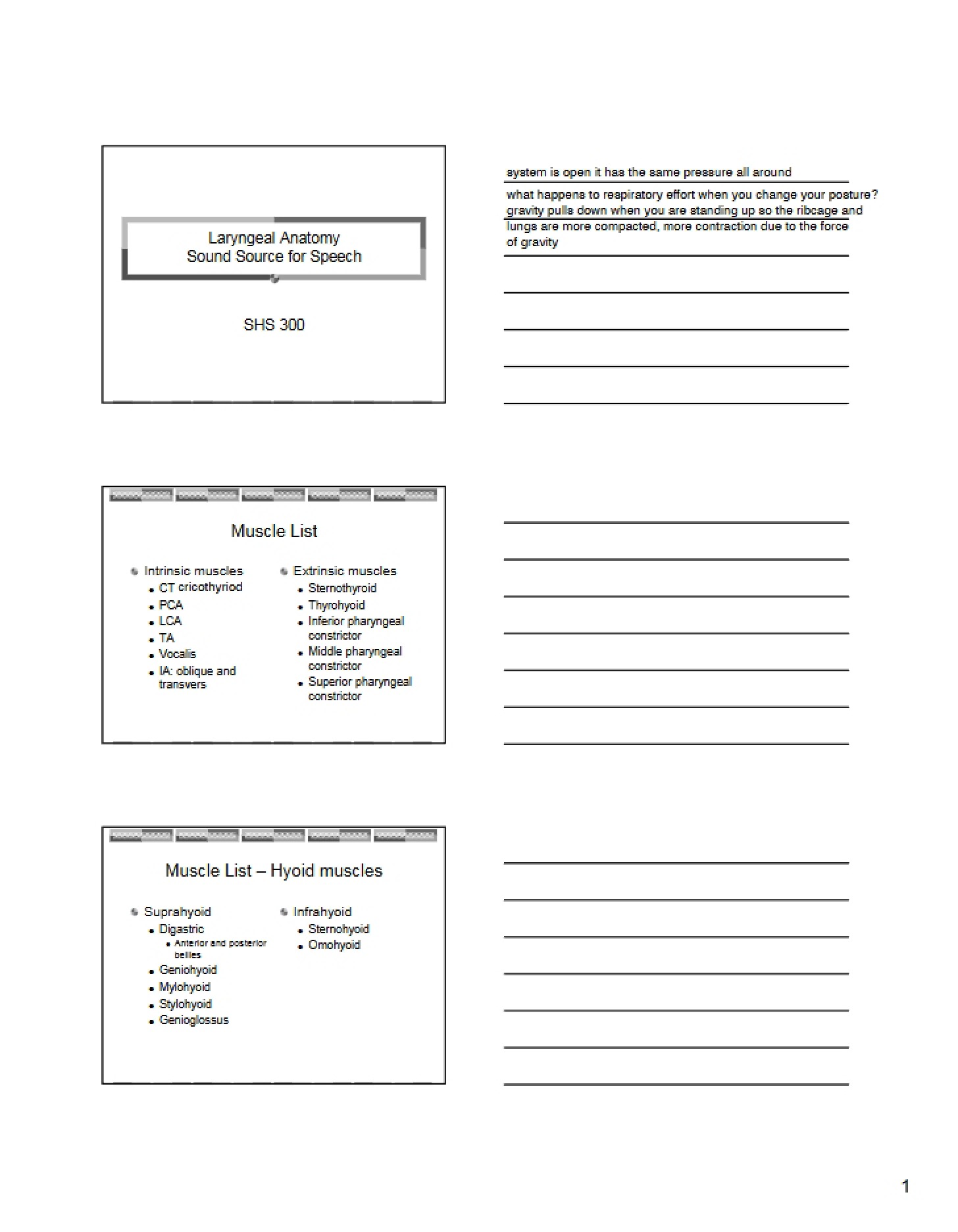
* An overview of the key muscles associated with pharyngeal function, including constrictors and other supporting structures.
* Identification of important anatomical landmarks within the pharynx.
* Discussion of the pharynx’s role in essential functions like respiration, deglutition, and speech.
* Exploration of specific anatomical features like the pterygomandibular and median pharyngeal raphes.
* Connections to clinical relevance, highlighting the importance of pharyngeal anatomy in broader medical contexts.