What This Document Is
This is a detailed exploration of DNA synthesis, a core concept within the field of Human Genetics. Specifically, it focuses on the mechanisms and intricacies involved in the replication of DNA, the very foundation of heredity. It’s designed to provide a comprehensive understanding of how genetic information is faithfully copied and passed on during cell division. This material is geared towards students seeking a robust understanding of molecular processes at the heart of genetics.
Why This Document Matters
This resource is invaluable for students enrolled in a Human Genetics course, particularly when tackling the complexities of DNA replication. It’s most beneficial when studying for exams, completing assignments requiring in-depth knowledge of molecular biology, or simply seeking to solidify your understanding of this fundamental biological process. A strong grasp of these concepts is crucial for success in advanced genetics topics and related fields like molecular biology and biotechnology. Accessing the full content will unlock a deeper understanding of these vital processes.
Topics Covered
* The fundamental structure of DNA and its components
* The principles of complementary base pairing
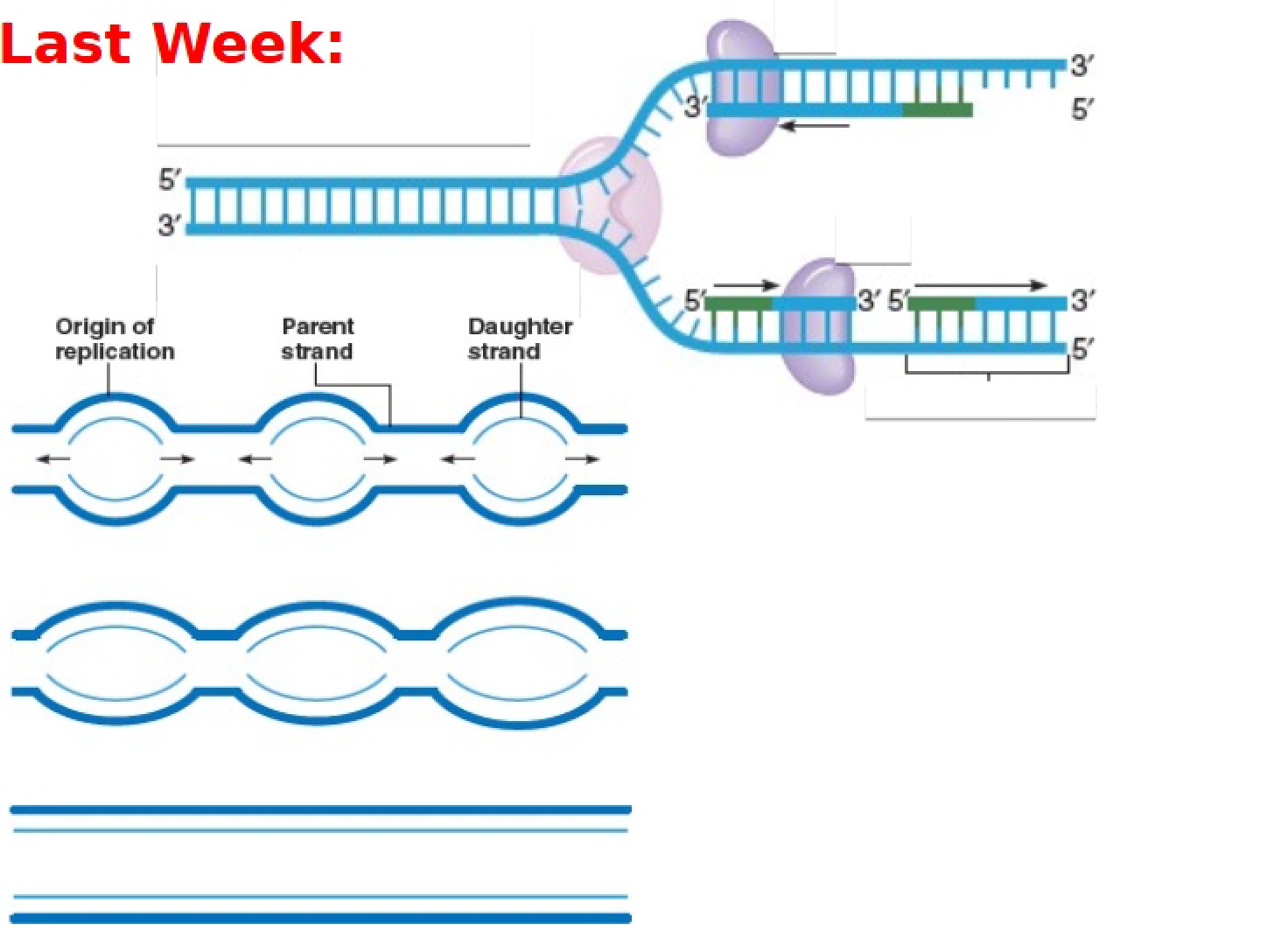
* The overall process of DNA replication and its key characteristics
* The roles of various enzymes involved in DNA replication
* The distinction between leading and lagging strand synthesis
* The challenges of replicating eukaryotic genomes
* The importance of primers in DNA synthesis
* Mechanisms for maintaining replication fidelity
What This Document Provides
* A detailed overview of the steps involved in DNA replication.
* Explanations of the functions of key enzymes like helicase, primase, and DNA polymerase.
* Illustrative descriptions of how new DNA strands are synthesized.
* Insights into the complexities of replicating a complete genome.
* Connections to real-world applications, such as Polymerase Chain Reaction (PCR).
* Visual aids to help conceptualize the process of DNA replication.