What This Document Is
This is a detailed exploration of DNA synthesis, geared towards students in an upper-level Human Genetics course. It delves into the fundamental processes involved in replicating the genetic code, providing a foundational understanding of how cells ensure accurate duplication of their genomes. The material is designed to build upon core concepts in molecular biology and genetics, offering a focused look at the mechanisms that underpin heredity.
Why This Document Matters
This resource is ideal for students seeking a comprehensive understanding of DNA replication, particularly those preparing for exams or tackling complex problem sets. It’s most beneficial when used as a supplement to lectures and textbook readings, offering a focused and detailed perspective on this critical biological process. Students who want to solidify their grasp of the molecular machinery involved in maintaining genetic information will find this particularly valuable.
Topics Covered
* The fundamental structure of DNA and its implications for replication.
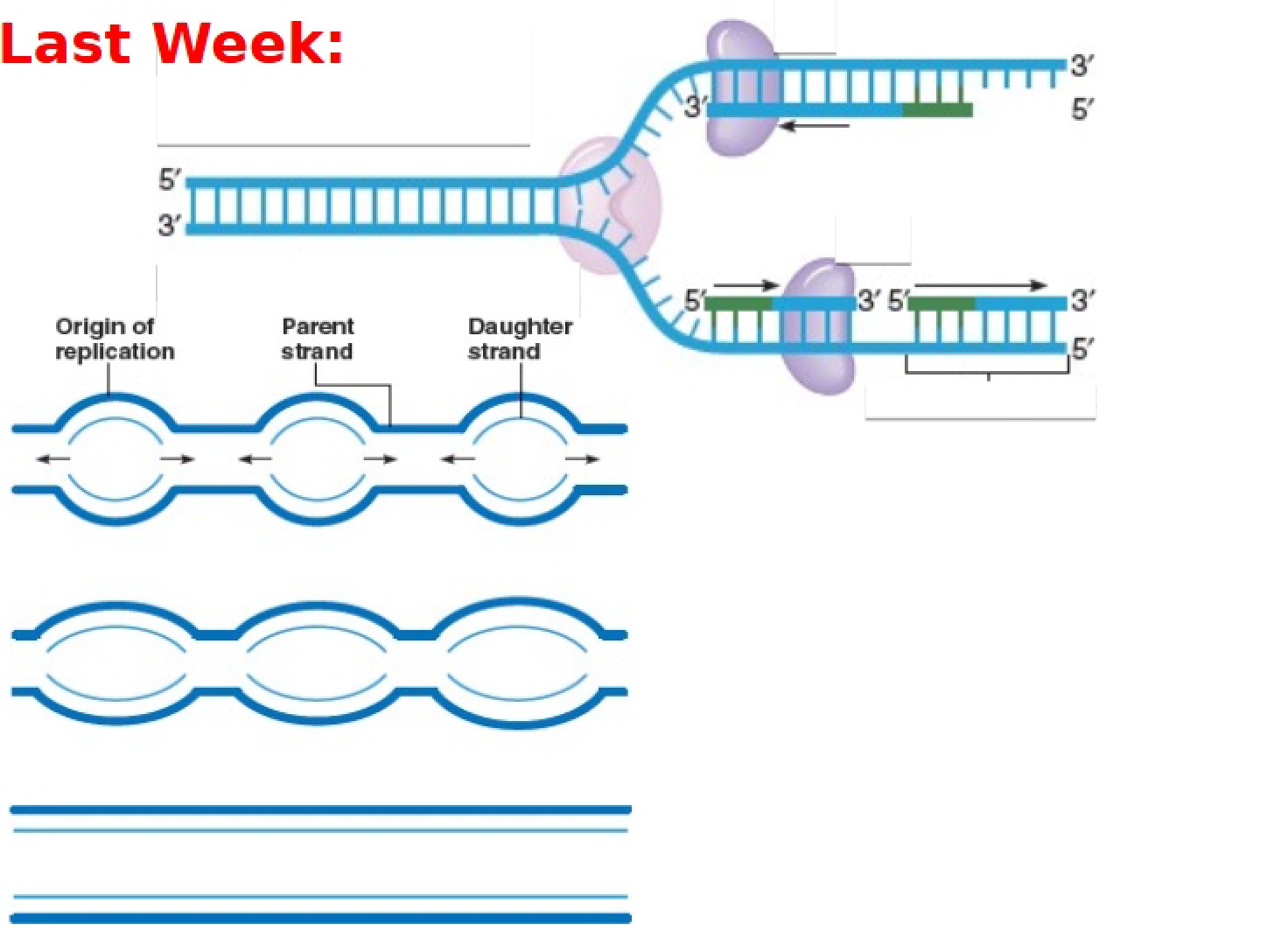
* The principles of semi-conservative replication and its significance.
* The roles of key enzymes involved in DNA replication, including helicases, primases, and DNA polymerases.
* The challenges of replicating complex genomes and how cells overcome them.
* The distinction between leading and lagging strand synthesis.
* The process of RNA primer synthesis and removal.
* The importance of maintaining fidelity during DNA replication.
What This Document Provides
* A detailed overview of the steps involved in DNA replication.
* Explanations of the functions of various proteins essential for the replication process.
* Visual aids to help illustrate complex molecular interactions.
* Connections to real-world applications and examples related to genome maintenance.
* Links to external resources for further exploration of the topic.
* A focused discussion on the intricacies of eukaryotic DNA replication.