What This Document Is
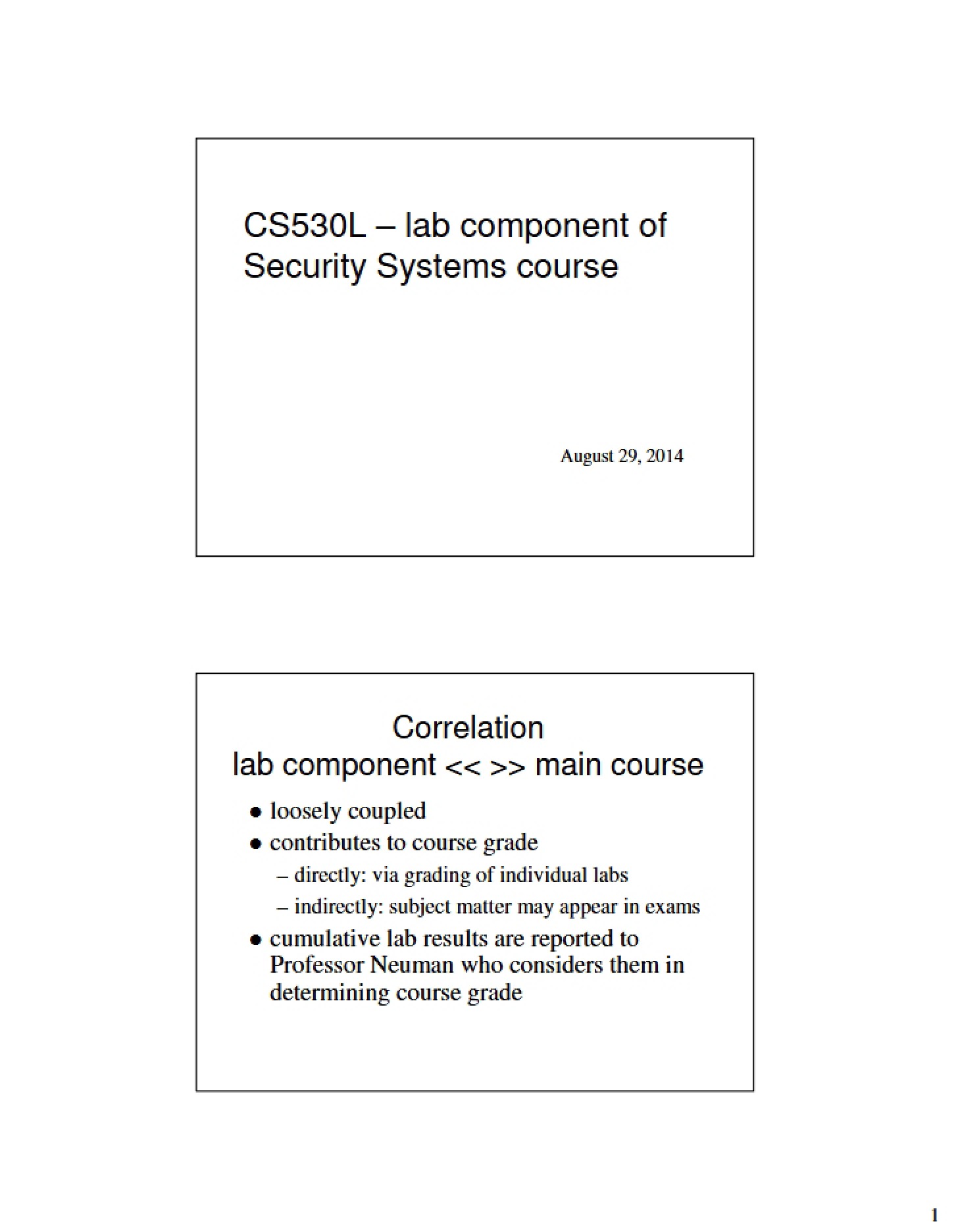
This material provides a focused exploration of authentication principles within the realm of security systems. Specifically, it delves into the core concepts surrounding verifying user identities – a foundational element of any secure system. It’s presented as a lab overview from a graduate-level computer science course at the University of Southern California, indicating a technical and in-depth approach to the subject. The content examines various methods used to confirm a user *is* who they claim to be, setting the stage for understanding more complex security architectures.
Why This Document Matters
Students studying security systems, network engineering, or related fields will find this particularly valuable. It’s ideal for anyone seeking a solid grounding in authentication methodologies *before* tackling advanced topics like authorization, access control, or cryptography. Professionals involved in system administration, cybersecurity, or software development will also benefit from a review of these fundamental concepts. Understanding the strengths and weaknesses of different authentication techniques is crucial for designing and implementing robust security solutions.
Common Limitations or Challenges
This material concentrates on the *principles* of authentication and doesn’t offer a comprehensive overview of implementation details for specific platforms or programming languages. It also doesn’t cover the latest advancements in biometric authentication or multi-factor authentication in exhaustive detail. While potential vulnerabilities are discussed, it doesn’t provide a complete penetration testing guide or detailed mitigation strategies. It’s a building block for further study, not a standalone security blueprint.
What This Document Provides
* An overview of the core definition of authentication and how it differs from authorization.
* A categorization of common authentication factors – things you know, things you are, things you own, and location-based factors.
* Discussion of varying levels of authentication needed for different security contexts.
* An exploration of potential weaknesses in common authentication methods.
* An introduction to techniques used to attempt to bypass authentication measures.
* Considerations for detecting and responding to potential authentication breaches.
* A description of a practical lab exercise involving password cracking tools.