What This Document Is
This document presents a critical exploration of contemporary debates surrounding family violence, specifically within the context of domestic criminal violence. It delves into complex theoretical perspectives and research findings related to the dynamics of violence within intimate relationships. The material focuses on analyzing differing viewpoints and the societal factors influencing understandings of abuse, moving beyond simplistic explanations. It’s a focused chapter excerpt intended for advanced undergraduate study.
Why This Document Matters
Students enrolled in courses like SOC 4109 – Domestic Criminal Violence, or related fields such as sociology, criminology, gender studies, and social work, will find this resource particularly valuable. It’s ideal for those seeking a deeper understanding of the nuances within the field, preparing for class discussions, or formulating research questions. This material is most helpful when you’re ready to critically evaluate established theories and consider the impact of social structures on experiences of violence. It will be especially useful when grappling with complex issues surrounding gender and power dynamics.
Common Limitations or Challenges
This resource is a focused examination of specific controversies and does not offer a comprehensive overview of all aspects of family violence. It does not provide practical intervention strategies, legal frameworks, or detailed case studies. Furthermore, it presents theoretical arguments and research interpretations – it does not offer definitive answers or a single, universally accepted truth about the causes or solutions to domestic violence. It is a starting point for deeper investigation, not a complete guide.
What This Document Provides
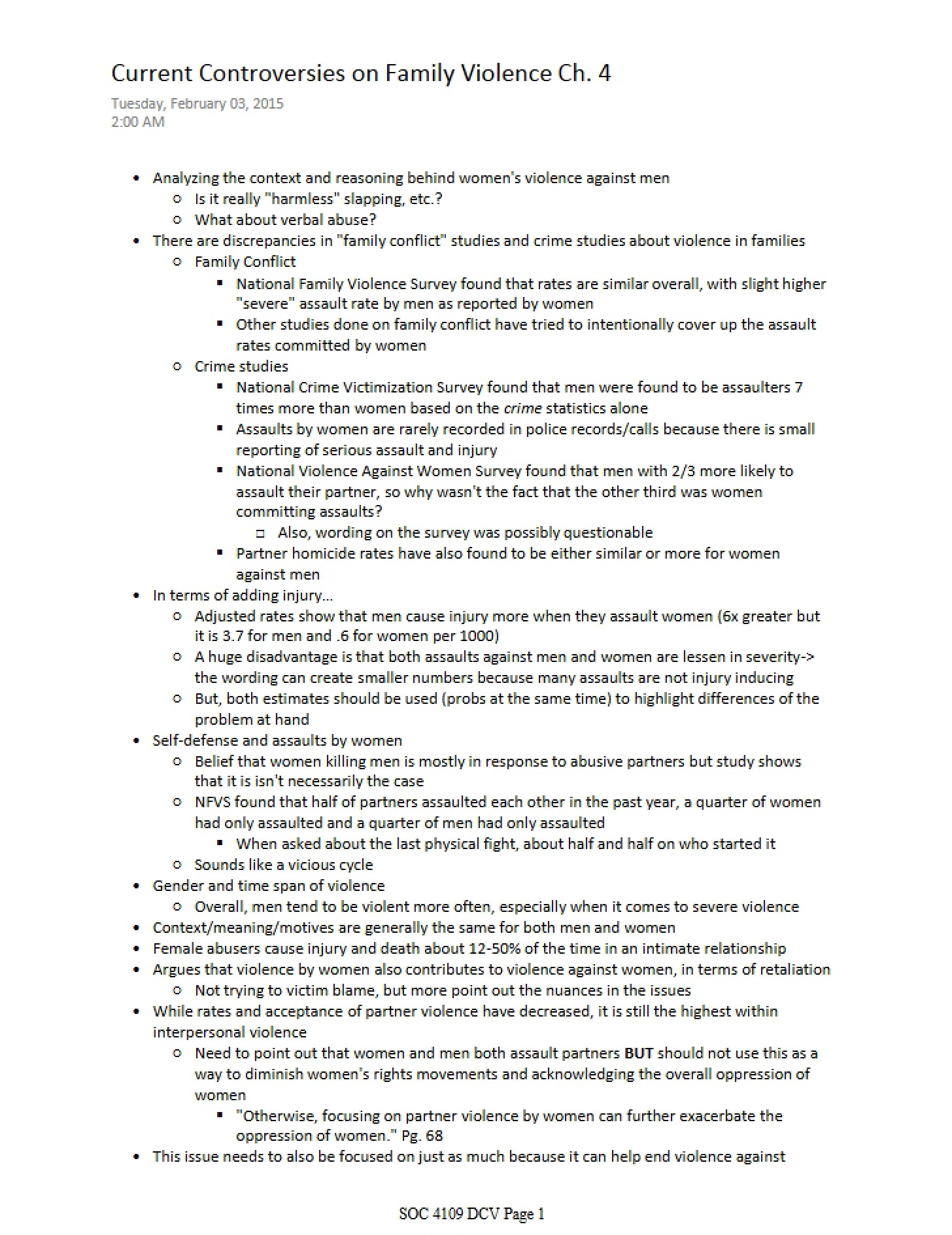
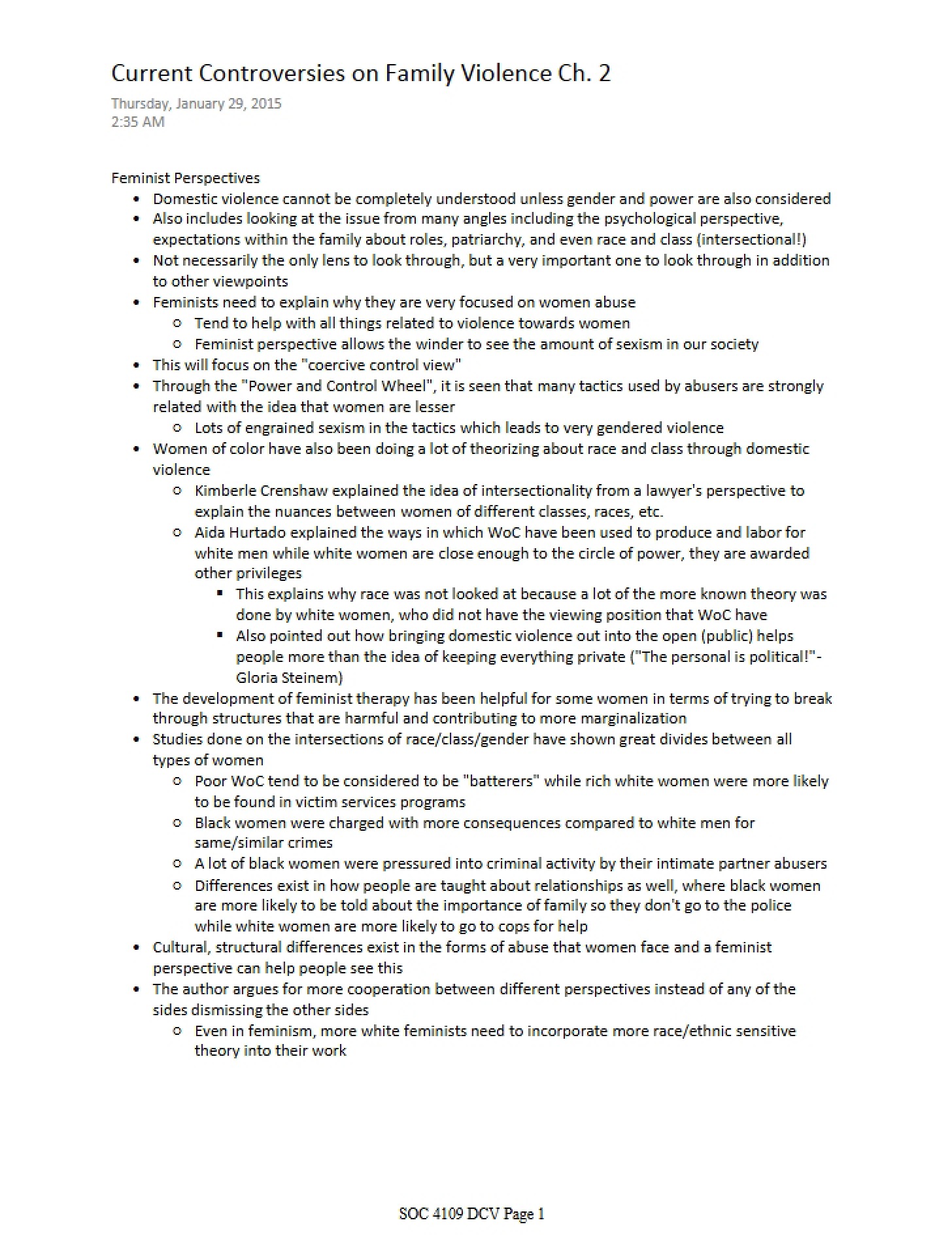
* An examination of differing perspectives on the role of gender in experiences of violence.
* Analysis of the strengths and weaknesses of various research methodologies used to study domestic violence.
* Discussion of the potential biases inherent in interpreting data related to intimate partner abuse.
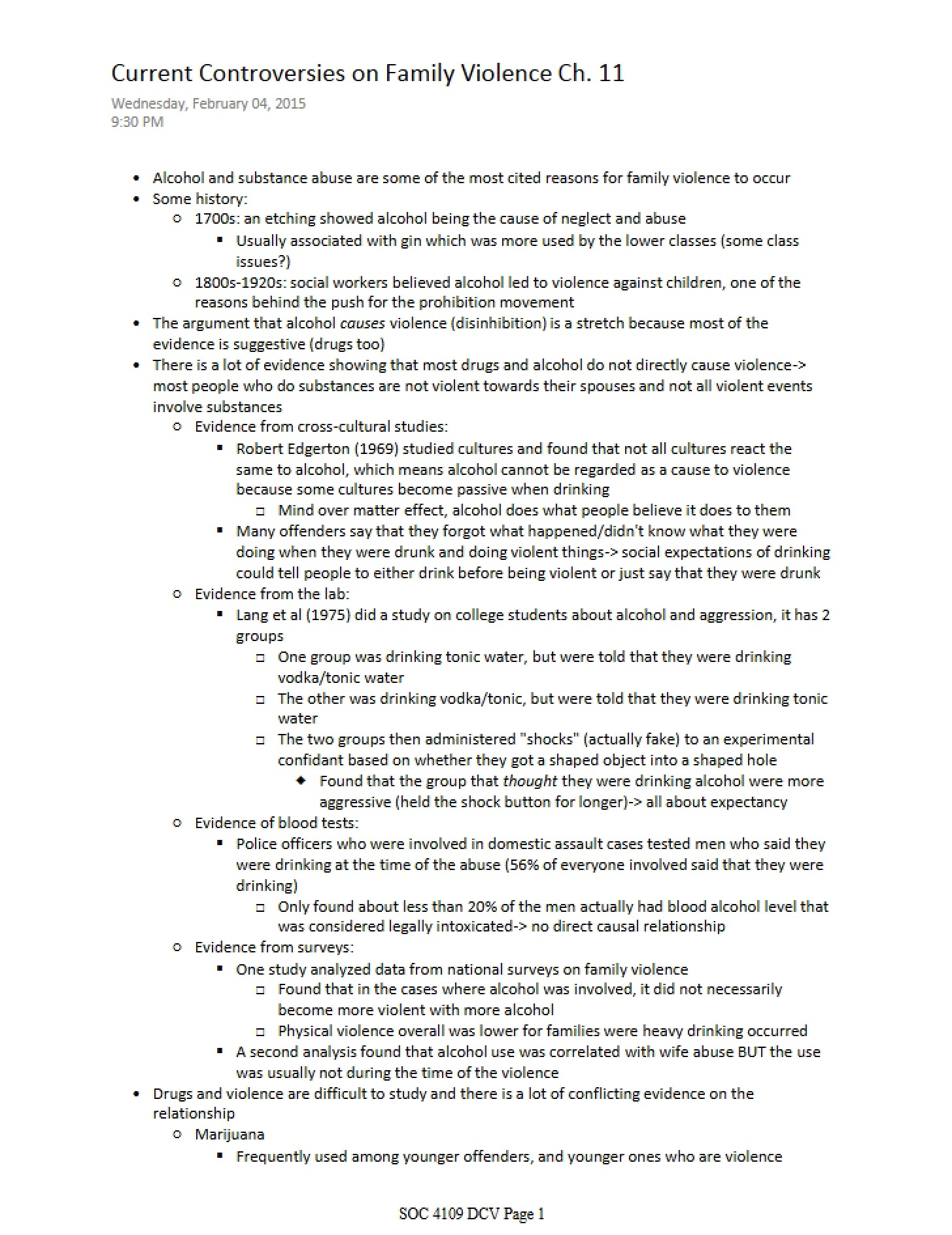
* Exploration of the societal and economic factors that may contribute to patterns of violence.
* Critical assessment of how research findings can be used – and misused – to shape policy and public opinion.