What This Document Is
This study guide delves into the complex history and philosophical underpinnings of Communism, examining key figures and the practical implications of this influential ideology. It’s designed for students grappling with the core concepts of political philosophy and seeking a deeper understanding of 20th and 21st-century historical events shaped by communist thought. The material presented offers a focused exploration of prominent communist leaders and the consequences associated with their regimes.
Why This Document Matters
This resource is particularly valuable for students enrolled in courses like Philosophies of Life, Political Science, or History. It’s ideal for those preparing for exams, writing essays, or simply seeking a more comprehensive grasp of communism beyond introductory textbook material. Understanding the historical context and theoretical foundations of communism is crucial for analyzing contemporary political landscapes and evaluating the impact of ideological movements. Accessing the full guide will provide a robust foundation for critical thinking and informed discussion.
Topics Covered
* Key figures in communist history and their roles
* The theoretical origins of communist thought
* The relationship between ideology and political action
* Historical consequences associated with communist regimes
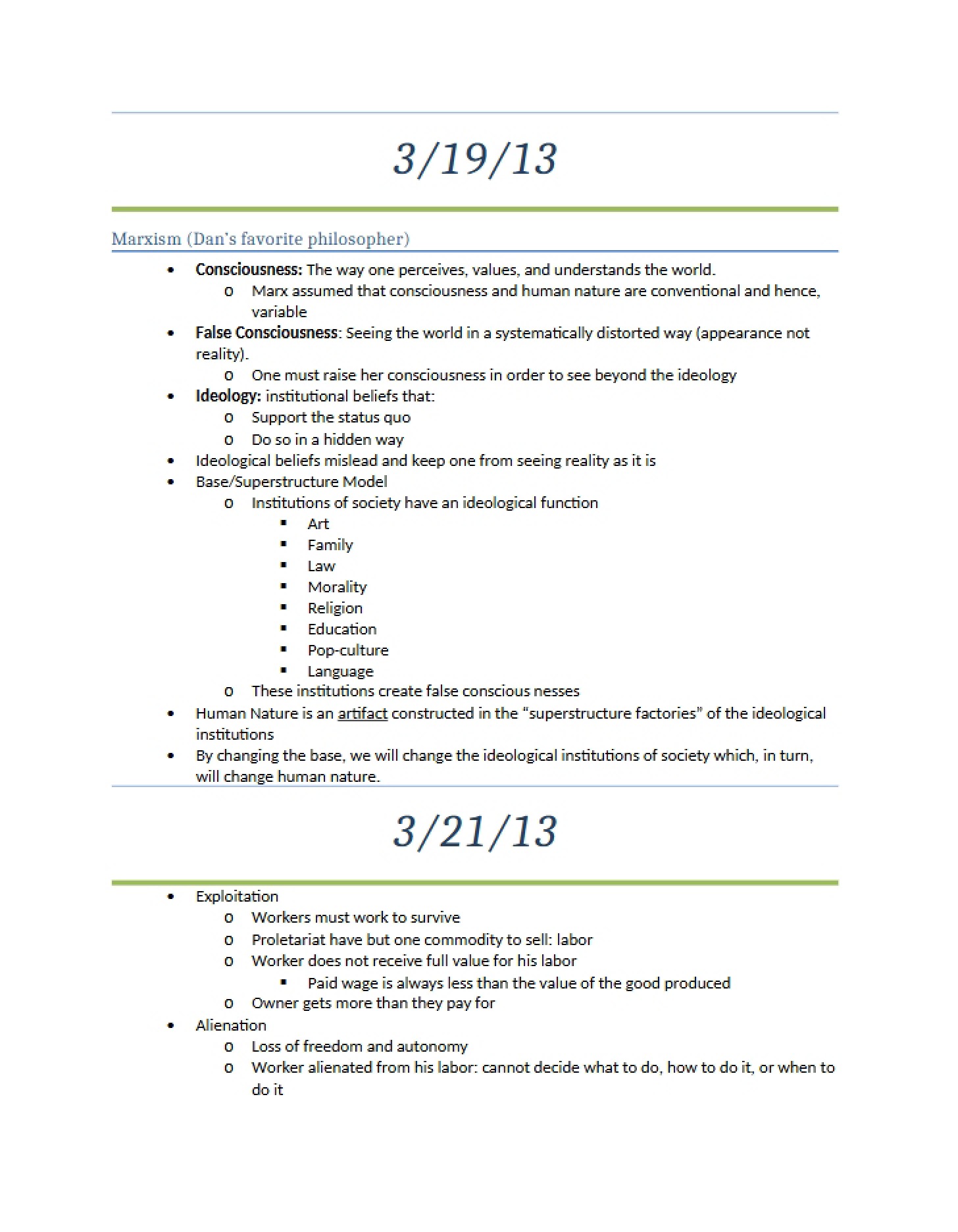
* The concept of “false consciousness” and its role in societal structures
* Philosophical arguments regarding moral responsibility for ideological outcomes
* The role of institutions in shaping belief systems
What This Document Provides
* A focused overview of influential communist leaders and their impact.
* An examination of core concepts within Marxist thought.
* A framework for analyzing the historical consequences of communist policies.
* A detailed exploration of the philosophical arguments surrounding responsibility and ideology.
* A structured approach to understanding the interplay between consciousness, ideology, and societal structures.
* A basis for evaluating the complexities of attributing moral responsibility to historical figures and ideologies.