What This Document Is
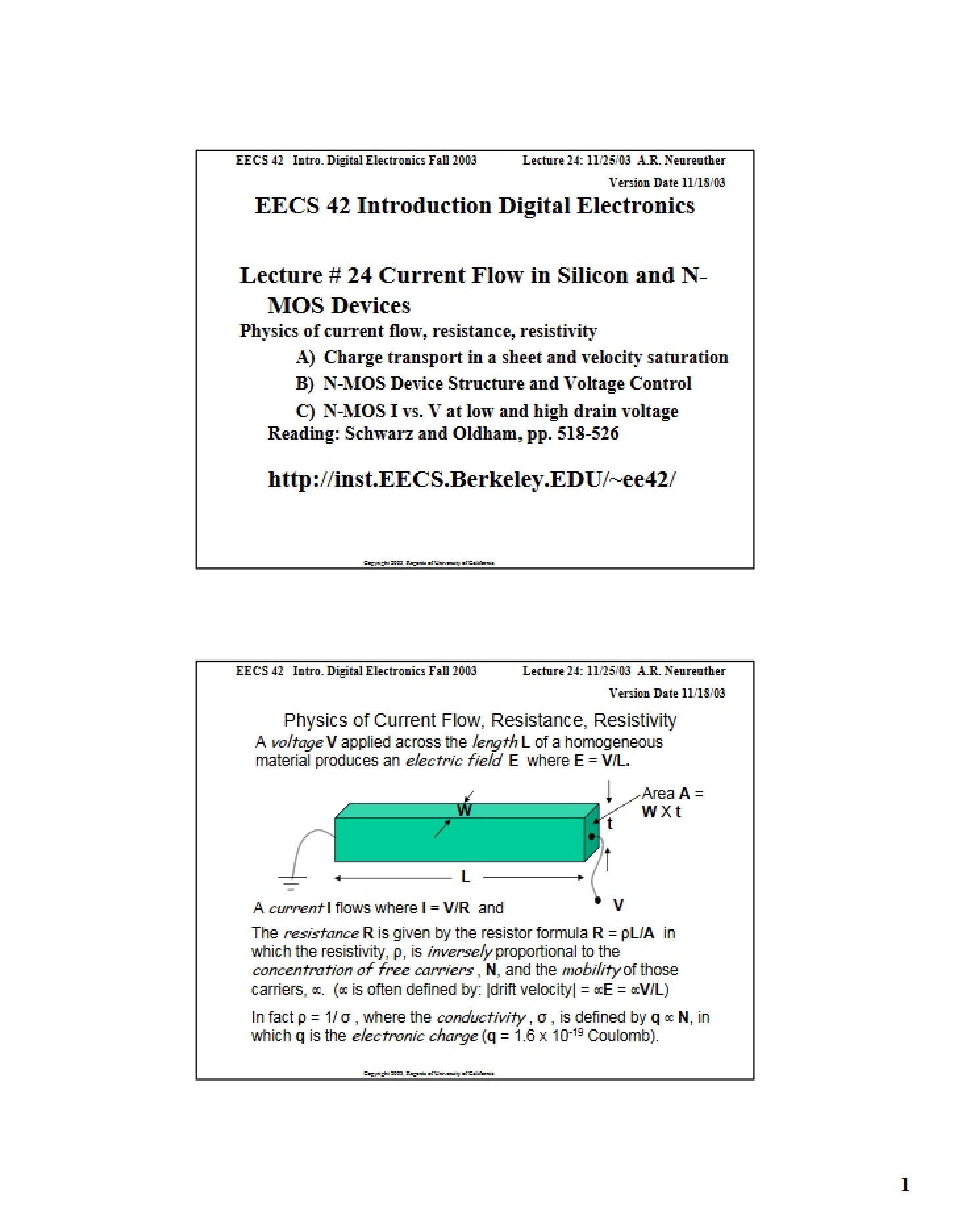
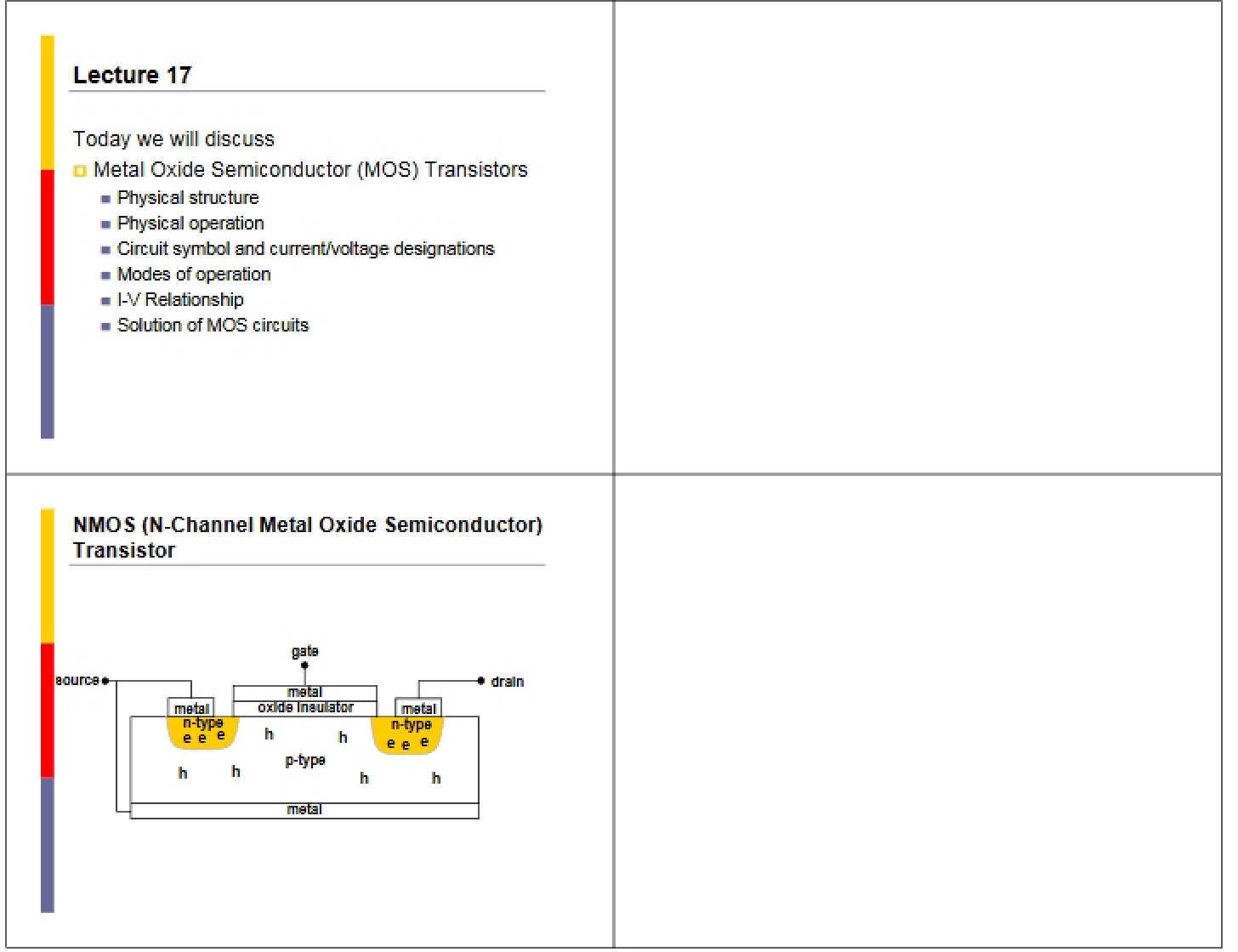
This document represents the fifteenth lecture from the Introduction to Digital Electronics (ELENG 42) course at the University of California, Berkeley. It delves into the foundational principles of semiconductor devices, building a crucial understanding of how these materials function as the building blocks of modern electronics. The lecture focuses on the core characteristics and behaviors exhibited by semiconductors, setting the stage for more complex circuit analysis and design.
Why This Document Matters
This lecture is essential for students seeking a solid grasp of the underlying physics governing electronic components. It’s particularly valuable for those preparing to design, analyze, or troubleshoot digital circuits. Understanding semiconductor behavior is a prerequisite for advanced coursework in digital systems, microelectronics, and related fields. Reviewing this material will be beneficial when tackling assignments, preparing for exams, or simply seeking a deeper understanding of how electronic devices operate.
Topics Covered
* The chemical and physical properties of semiconductor materials.
* The process of doping and its impact on semiconductor conductivity.
* The formation and characteristics of a P-N junction.
* The concept of a diode as a fundamental electronic component.
* The mechanisms of charge carrier movement: diffusion and drift.
* The behavior of a P-N junction under different biasing conditions (open circuit, short circuit, reverse bias, reverse breakdown).
* The role of electric fields and potential differences in semiconductor devices.
What This Document Provides
* A detailed exploration of semiconductor material structures.
* Explanations of how material composition influences electrical characteristics.
* Illustrative descriptions of the depletion region and its significance.
* Conceptual frameworks for understanding voltage-controlled switching.
* A foundational understanding of the physics behind diode operation.
* A basis for further study of more complex semiconductor devices.