What This Document Is
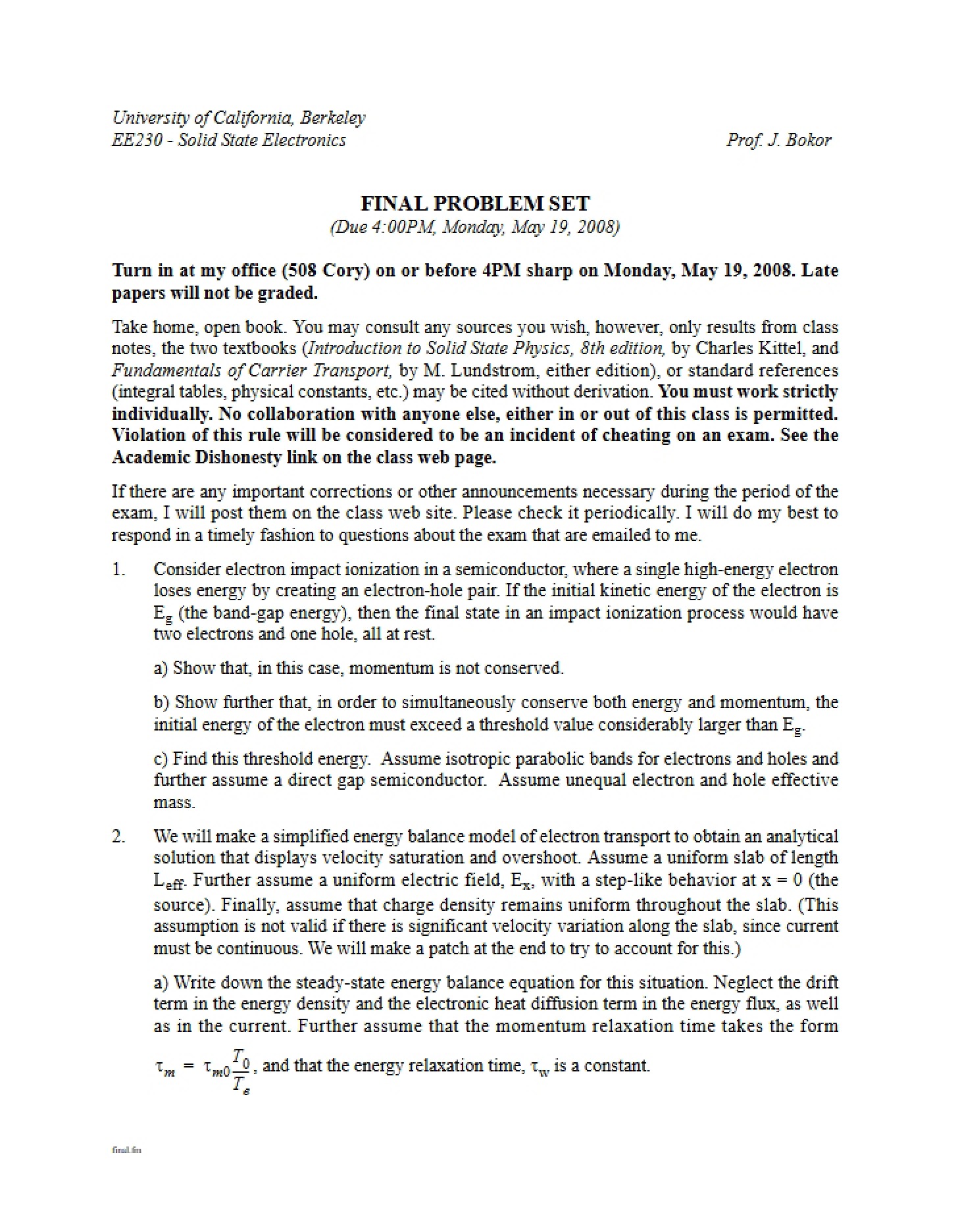
This is a problem set for an upper-level undergraduate course in Solid State Electronics (EE 230) at the University of California, Berkeley. It’s designed to reinforce understanding of core concepts through analytical problem-solving. This particular set, Problem Set 5, focuses on applying theoretical knowledge to practical scenarios within semiconductor physics. It builds upon material presented in lectures and assigned readings, requiring students to demonstrate a strong grasp of the underlying principles.
Why This Document Matters
This problem set is essential for students enrolled in a rigorous solid-state electronics course. Successfully completing these problems will solidify your understanding of key scattering mechanisms and their impact on carrier transport. It’s particularly valuable for students preparing for more advanced coursework or careers in semiconductor device design and analysis. Working through these problems will help you develop the analytical skills needed to model and predict the behavior of semiconductor materials and devices.
Topics Covered
* Alloy Scattering in Compound Semiconductors
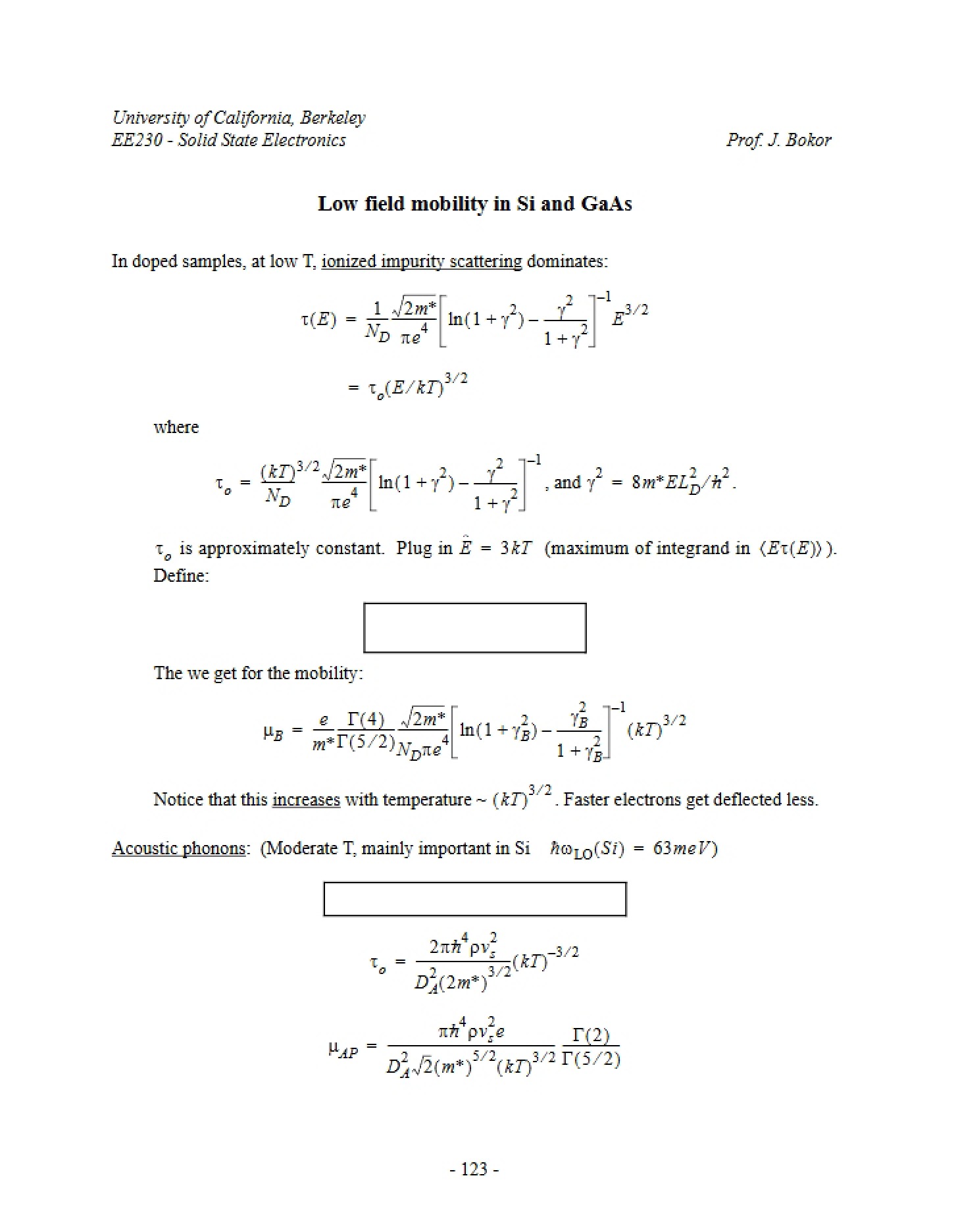
* Ionized Impurity Scattering
* Intervalley Scattering (Γ-L and L-Γ processes) in GaAs
* Momentum Relaxation Times
* Monte Carlo Methods for Collision Time Calculation
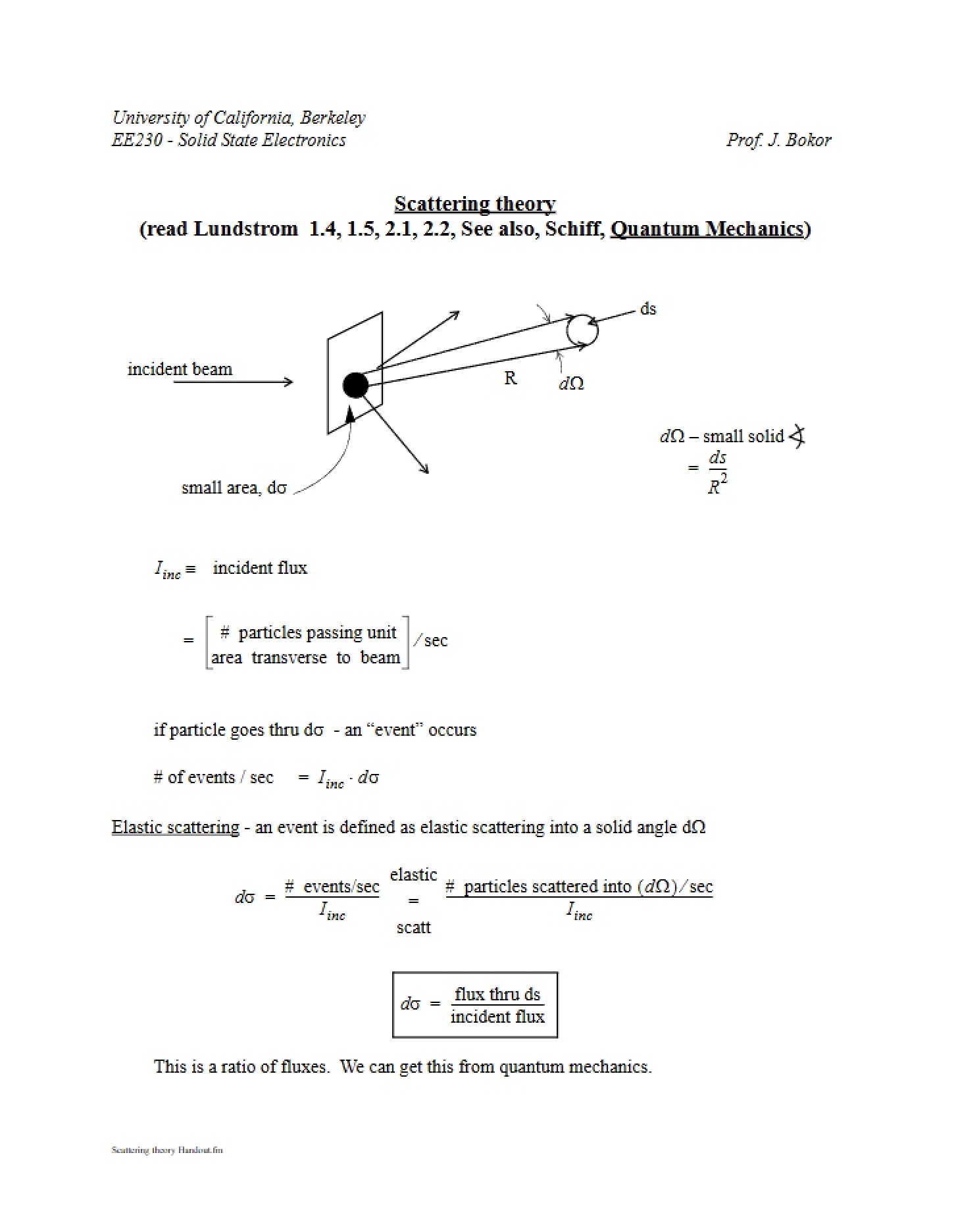
* Application of Scattering Theory to Semiconductor Devices
What This Document Provides
* A series of challenging problems requiring in-depth application of solid-state physics principles.
* Opportunities to practice calculating scattering rates for various mechanisms.
* Exercises designed to bridge the gap between theoretical concepts and practical device behavior.
* Guidance on utilizing computational methods to simulate carrier transport phenomena.
* References to specific chapters and equations within the Lundstrom textbook used in the course.