What This Document Is
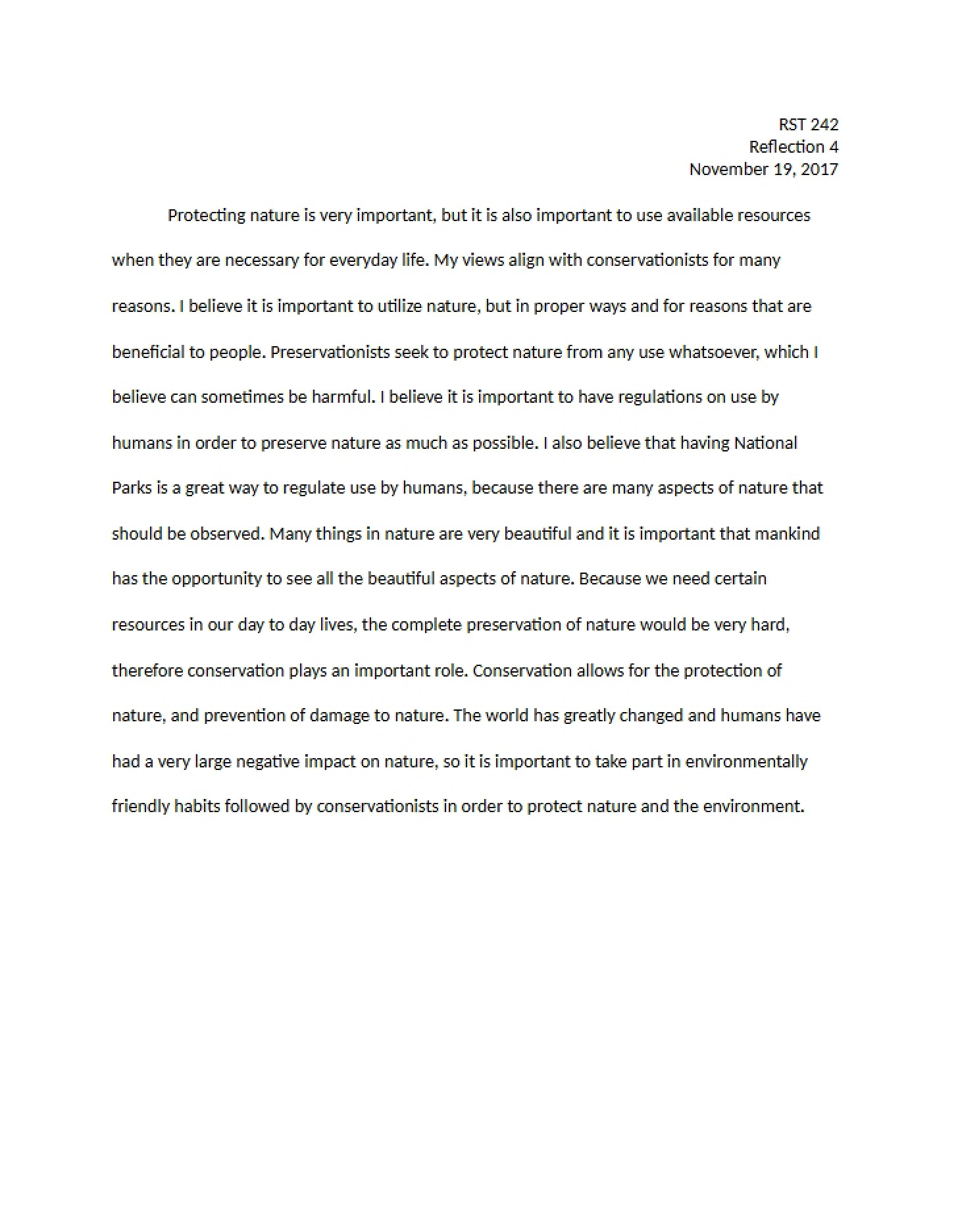
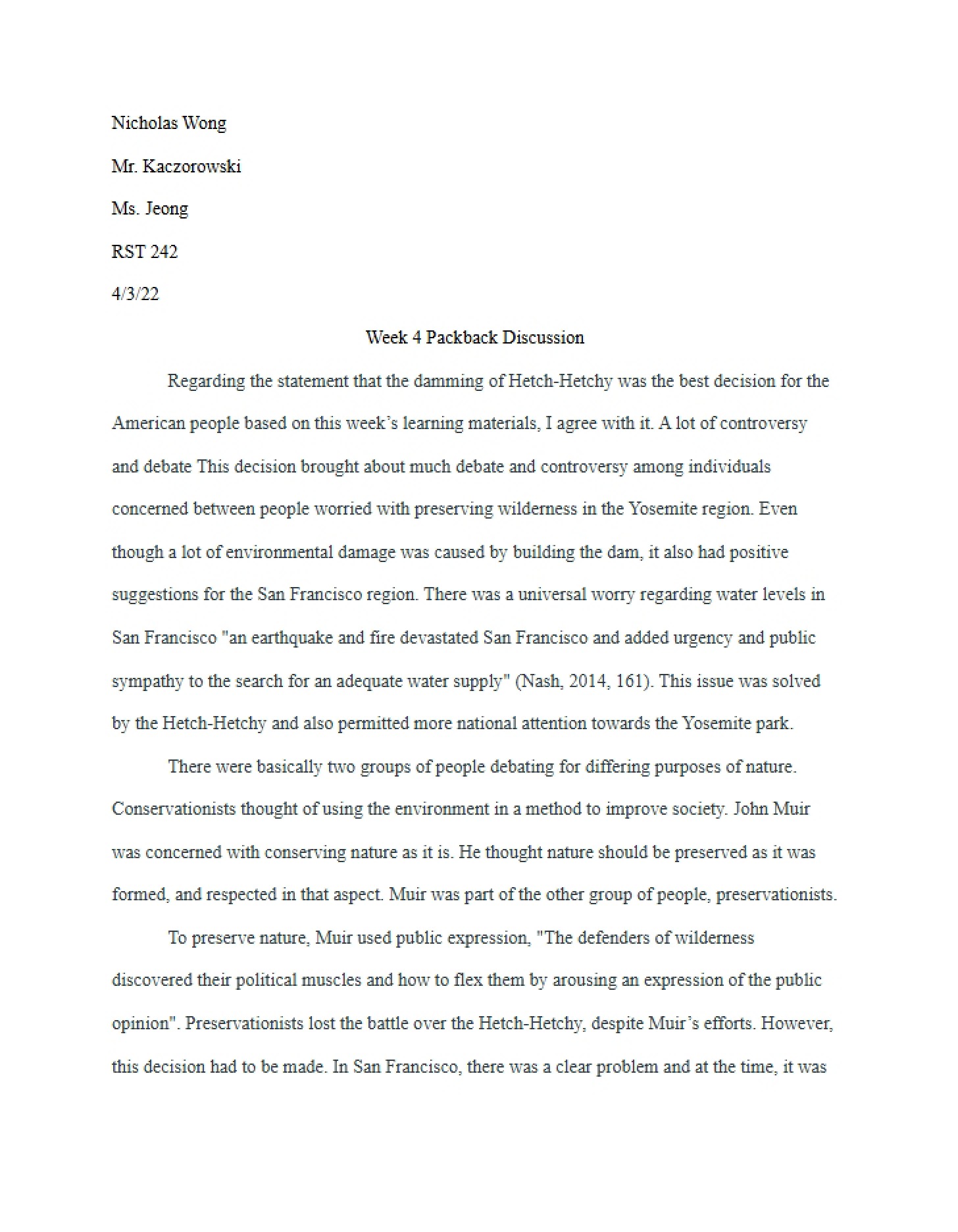
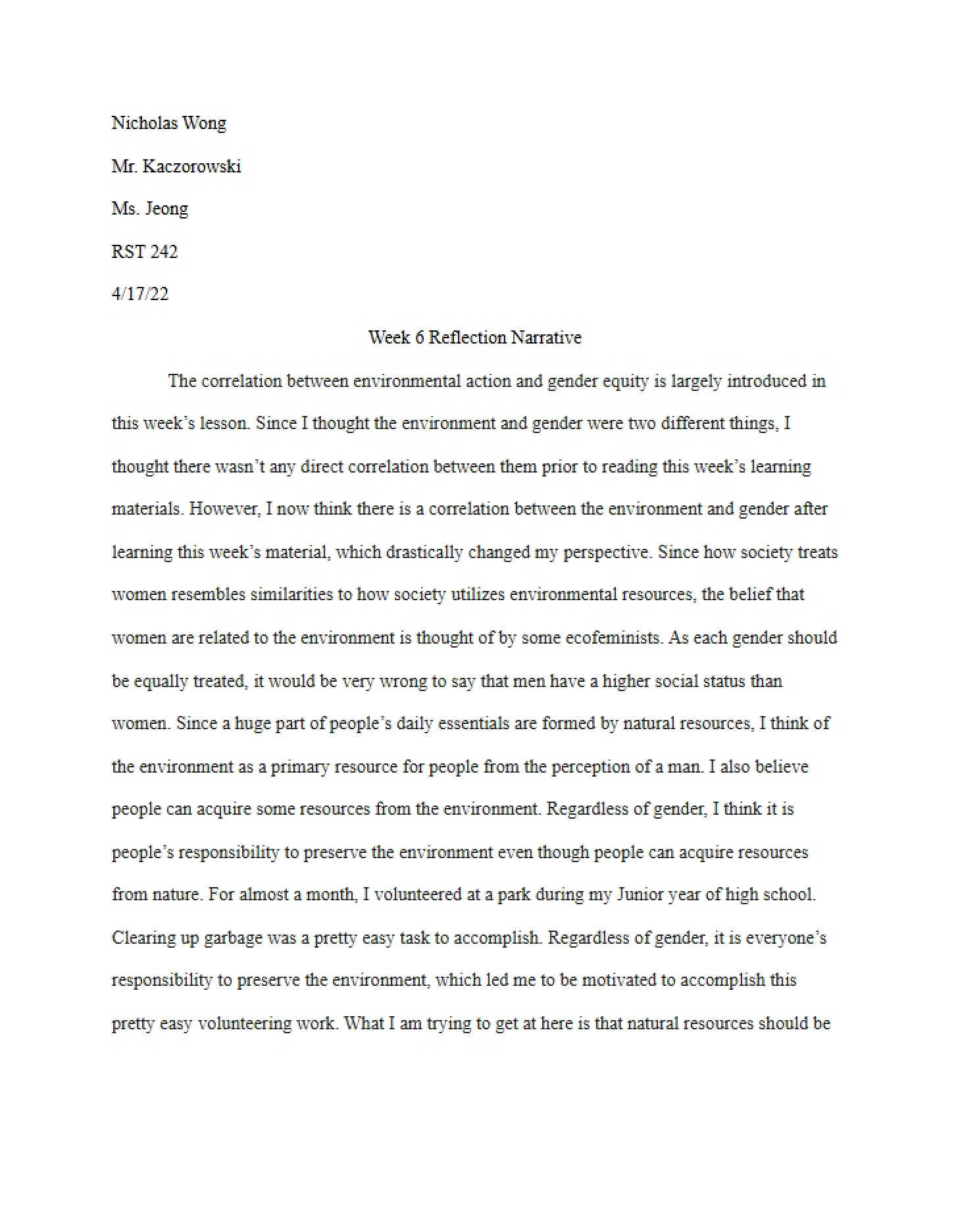
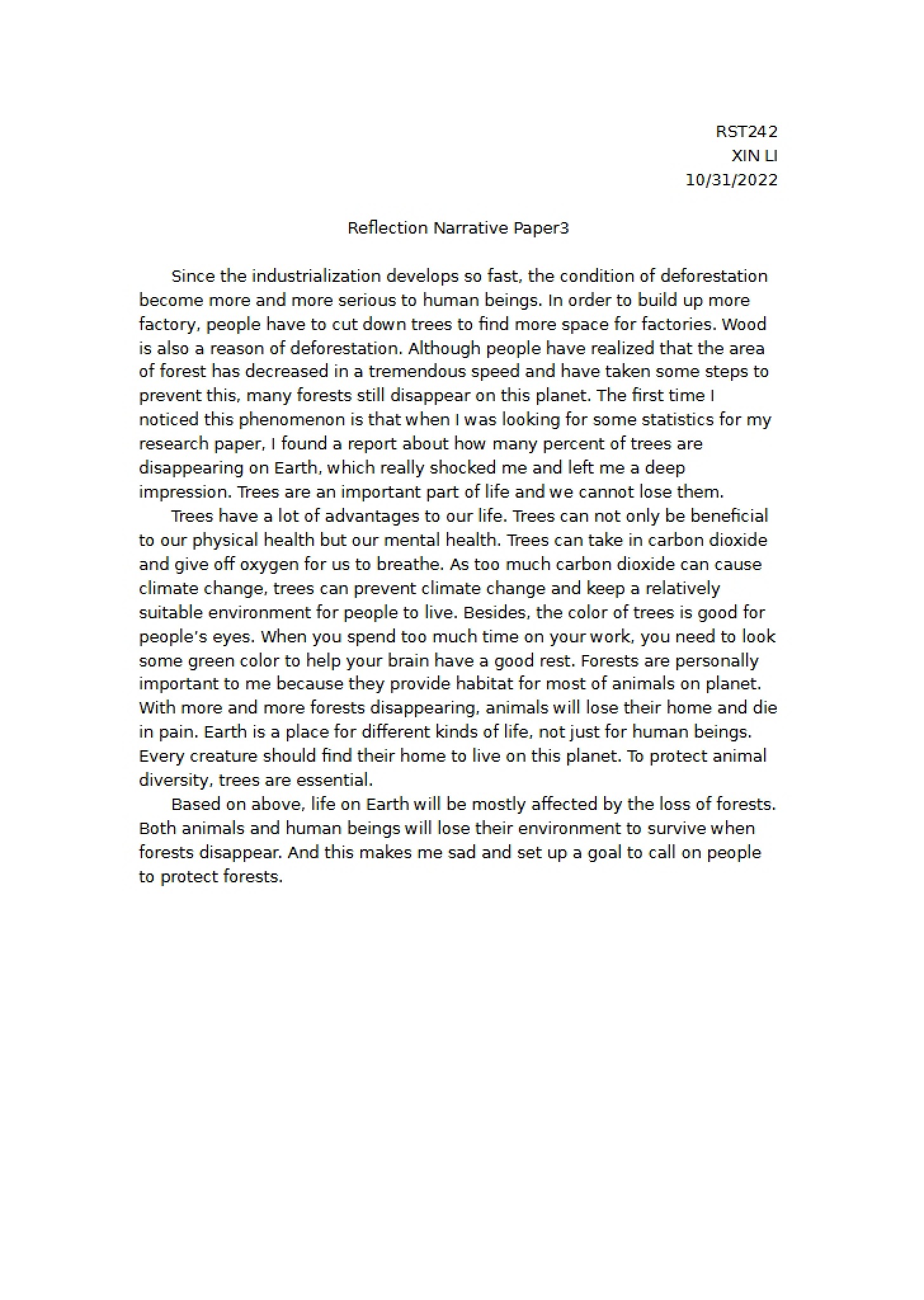
This is a personal reflection assignment completed for RST 242: Nature and American Culture at the University of Illinois at Urbana-Champaign. It represents a student’s considered response to course material, specifically focusing on the intersection of personal values and perspectives on environmental stewardship. The assignment centers around critical thinking about concepts explored in the course and applying them to individual beliefs and experiences related to the natural world. It’s a focused piece of writing intended to demonstrate internalizing key themes.
Why This Document Matters
Students enrolled in RST 242, or similar courses exploring the relationship between culture and the environment, will find this assignment insightful. It serves as a strong example of how to articulate personal connections to academic concepts. Those seeking to understand the expectations for reflective writing in a university setting, particularly within the humanities and social sciences, will also benefit. It’s especially useful when approaching similar assignments requiring self-assessment and the linking of personal values to broader theoretical frameworks. Reviewing this work can help refine your own approach to demonstrating comprehension and critical engagement.
Common Limitations or Challenges
This assignment represents *one* student’s interpretation and response. It does not offer a comprehensive summary of course content, nor does it provide definitive answers or arguments. It is a subjective piece, reflecting a specific individual’s journey of understanding. It won’t substitute for direct engagement with the assigned readings or lectures. Furthermore, it doesn’t provide grading rubrics or instructor feedback – it’s solely the student’s written work.
What This Document Provides
* A student’s articulation of their values and how those values relate to environmental concerns.
* An example of applying theoretical concepts (like a “land ethic”) to personal experiences.
* A demonstration of reflective writing style and structure.
* Insights into how a student connects academic learning to real-world observations and actions.
* A perspective on the evolving understanding of one’s relationship with nature.