What This Document Is
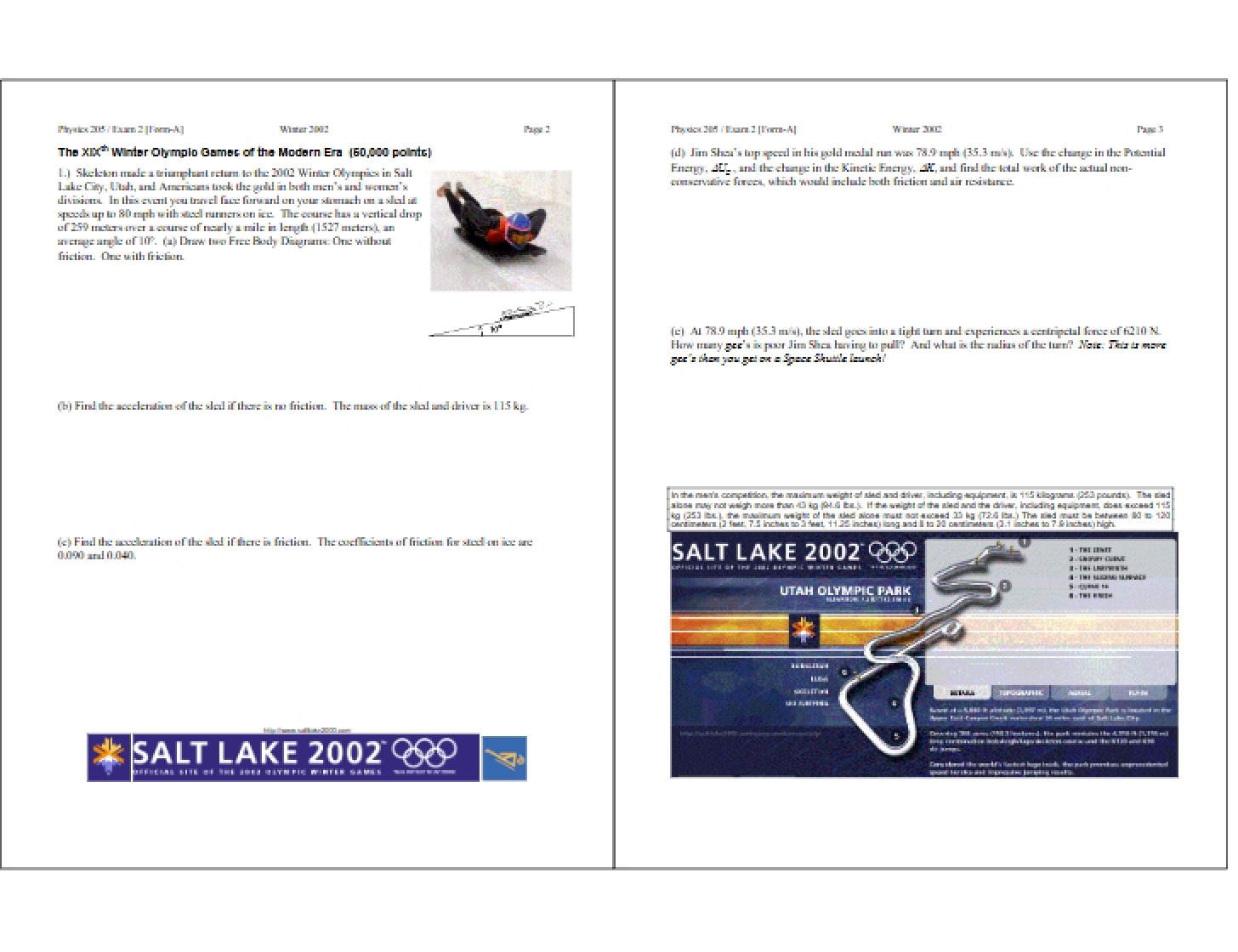
This is a comprehensive final examination for a University Physics I course (PHYS 2050) at Western Michigan University. It assesses understanding of core physics principles covered throughout the semester, likely including mechanics, energy, and potentially introductory concepts related to gravity and forces. The exam is designed to test problem-solving abilities and the application of theoretical knowledge to practical scenarios. It appears to be a past exam, potentially used for practice or review.
Why This Document Matters
This resource is invaluable for students currently enrolled in a similar University Physics I course, or those preparing for a standardized physics exam. It’s particularly useful for students who want to gauge the difficulty and scope of potential exam questions. Working through similar problems (available with full access) can significantly improve test-taking confidence and identify areas needing further study. It’s best utilized closer to the end of the course, after key concepts have been taught and practiced, as a culminating assessment of understanding.
Common Limitations or Challenges
This document *only* provides the exam questions themselves. It does not include detailed solutions, step-by-step explanations, or worked examples. Access to the full document is required to view the complete solutions and understand the reasoning behind them. The exam reflects the specific curriculum and emphasis of the Western Michigan University course, so some topics may be weighted differently than in other courses.
What This Document Provides
* A variety of physics problems covering a range of topics.
* Problems involving scenarios from everyday life (e.g., athletics, blocks on inclines, elevators).
* Questions requiring the application of fundamental physics principles.
* Problems designed to assess conceptual understanding and quantitative problem-solving skills.
* A sense of the exam format and the types of questions to expect.
* Point values assigned to each problem, indicating relative importance.