What This Document Is
This document is a final examination for Economic Issues and Policies (ECON 100) at the University of Delaware. It’s designed to comprehensively assess a student’s understanding of core economic principles and their application to real-world scenarios. This exam covers foundational concepts crucial for success in further economic studies and informed participation in economic discussions.
Why This Document Matters
This resource is invaluable for students currently enrolled in or preparing for ECON 100 at the University of Delaware. It’s particularly helpful as a self-assessment tool to identify areas needing further review before a high-stakes evaluation. Understanding the scope and style of questions asked on the final exam can significantly improve preparation and boost confidence. Accessing the full exam will allow for targeted study and a deeper grasp of the course material.
Topics Covered
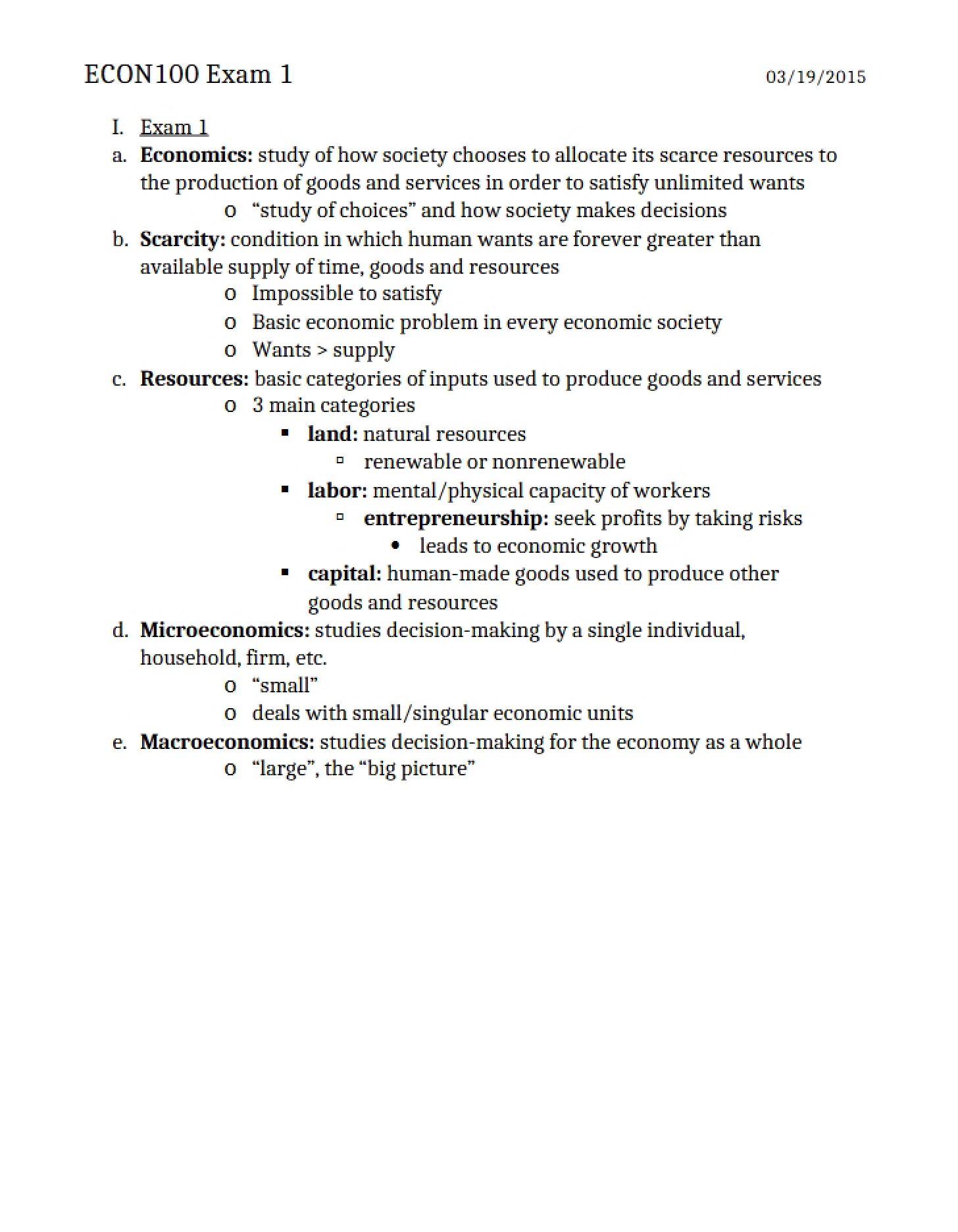
* The fundamental definition of economics and its core focus.
* The concept of scarcity and its implications for economic decision-making.
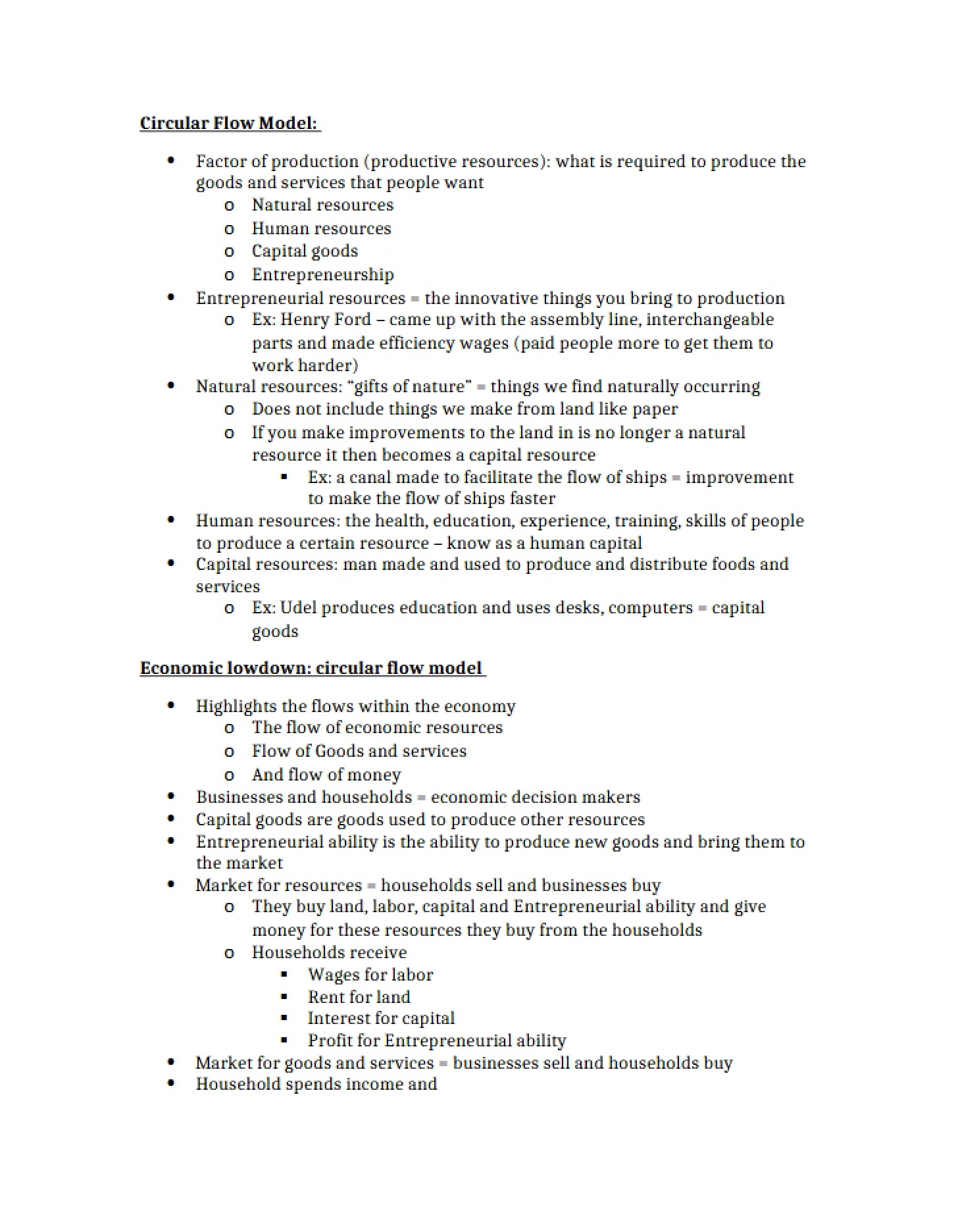
* Categorization and characteristics of economic resources (land, labor, capital).
* Distinction between microeconomic and macroeconomic perspectives.
* Economic modeling and the importance of assumptions.
* Common fallacies in economic reasoning (causation, composition).
* Positive versus normative economic analysis.
* Relationships between economic variables (direct, inverse).
* Fundamental economic questions societies face.
* The concept of opportunity cost and marginal analysis.
* Production Possibilities Curves (PPC) and their underlying principles.
* The law of increasing opportunity cost.
What This Document Provides
* A comprehensive assessment of key economic concepts taught in ECON 100.
* Insight into the types of questions and analytical thinking expected in the course.
* A framework for understanding the core principles of economic thought.
* A tool for identifying strengths and weaknesses in your understanding of economic issues.
* A representation of the breadth of topics covered in the course, from basic definitions to more complex analytical models.