What This Document Is
This is a comprehensive review guide designed to prepare students for the final exam in Economics 357: Money, Credit, and Banking at the University of Southern California. It consolidates key concepts and principles covered throughout the course, offering a structured approach to exam preparation. The guide references materials from the course textbook and quizzes.
Why This Document Matters
This resource is invaluable for students aiming to solidify their understanding of complex economic theories and their practical applications. It’s particularly useful in the weeks leading up to the final exam, serving as a focused study tool to identify areas needing further review. Students who utilize this guide can expect to approach the exam with greater confidence and a more organized understanding of the course material. It’s best used *after* completing assigned readings and quizzes, as a way to synthesize and connect different topics.
Common Limitations or Challenges
This review guide is *not* a substitute for attending lectures, completing assigned readings, or actively participating in class discussions. It does not provide new content, but rather summarizes and organizes existing course material. It also does not include detailed step-by-step solutions to problems, or explanations of every nuance of each topic. Successful exam preparation still requires independent study and critical thinking.
What This Document Provides
* A focused review of topics covered in Quiz One, including the incidence of taxes, the effects of tariffs, and the implications of subsidies.
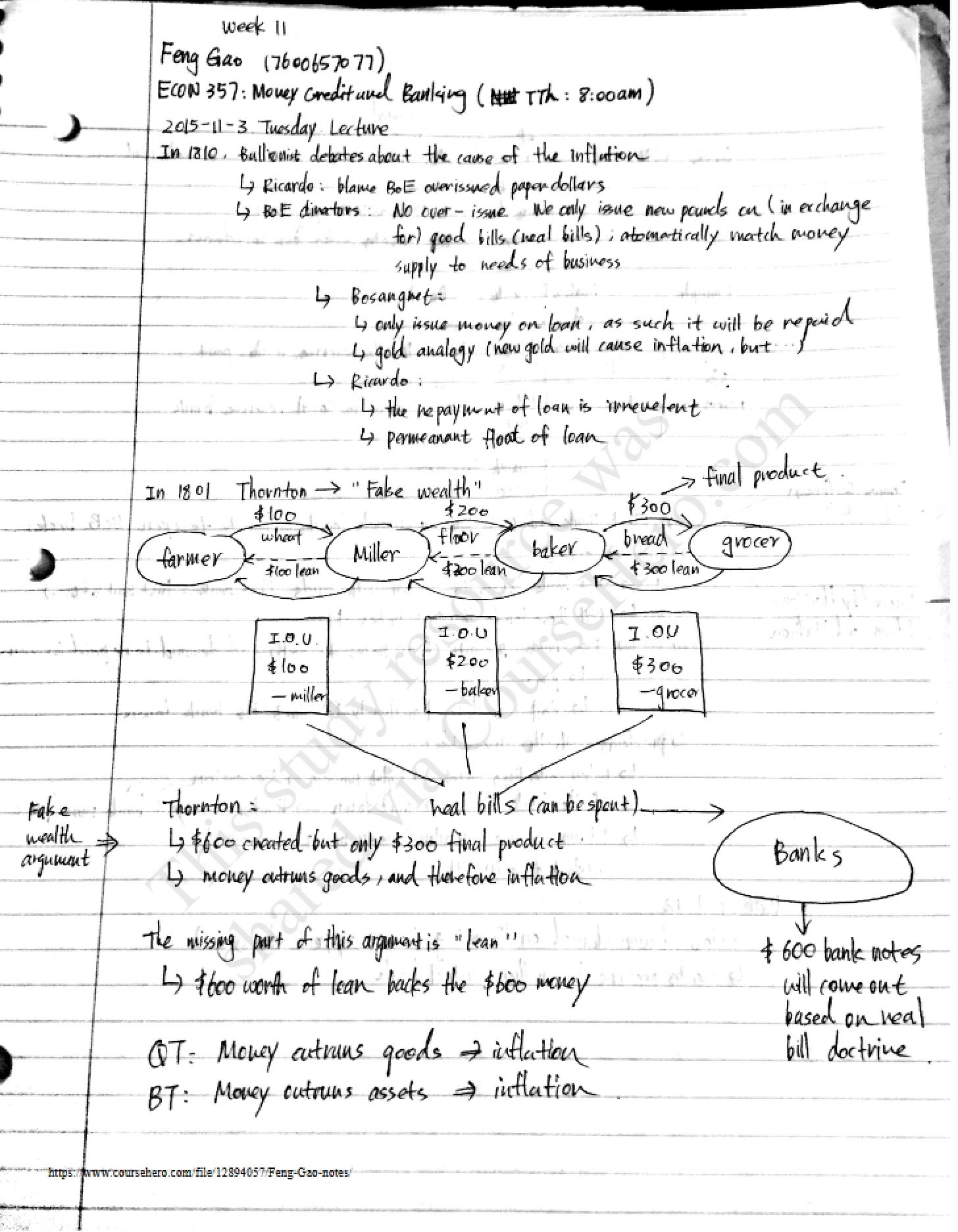
* An overview of competing theories of money, including the Quantity Theory and Backing Theory, and the Fisher Equation.
* Key concepts related to present and future value calculations, bond market dynamics, and the interpretation of economic indicators like the CPI and GDP deflator.
* An exploration of portfolio choice, risk assessment (beta), and the Security Market Line.
* Practice-style questions designed to test understanding of core principles, covering topics like loan payments, market positions, and equilibrium analysis.