What This Document Is
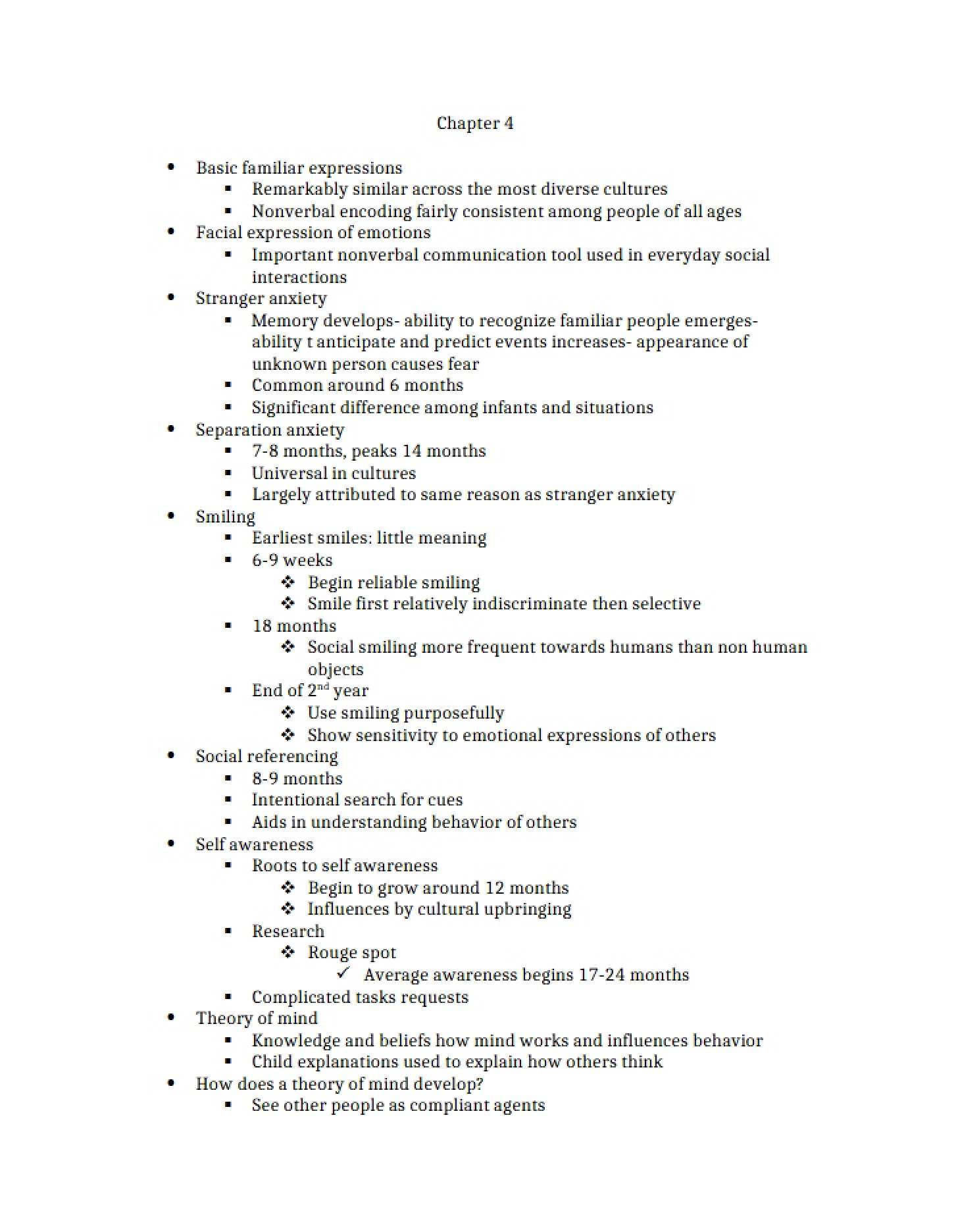
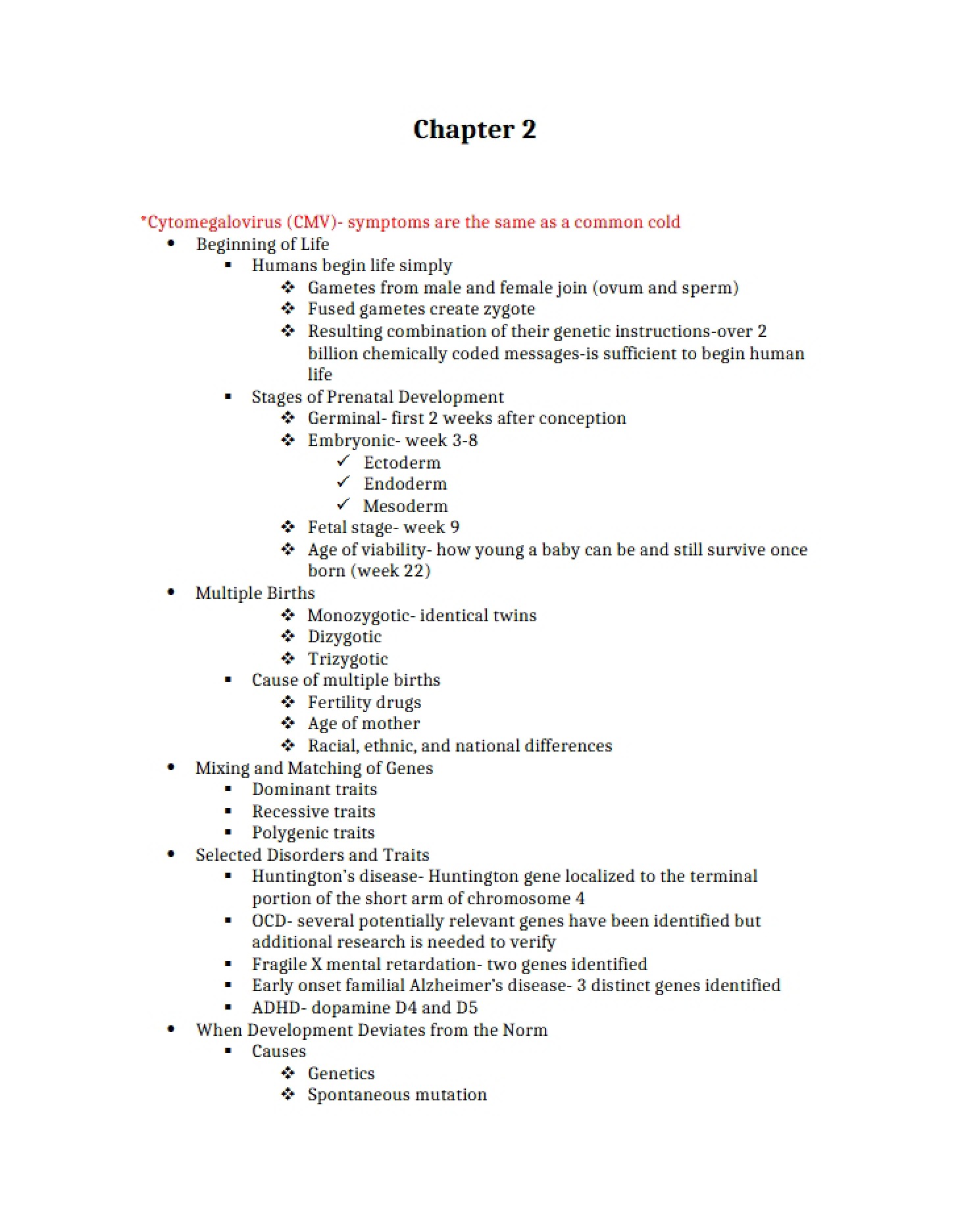
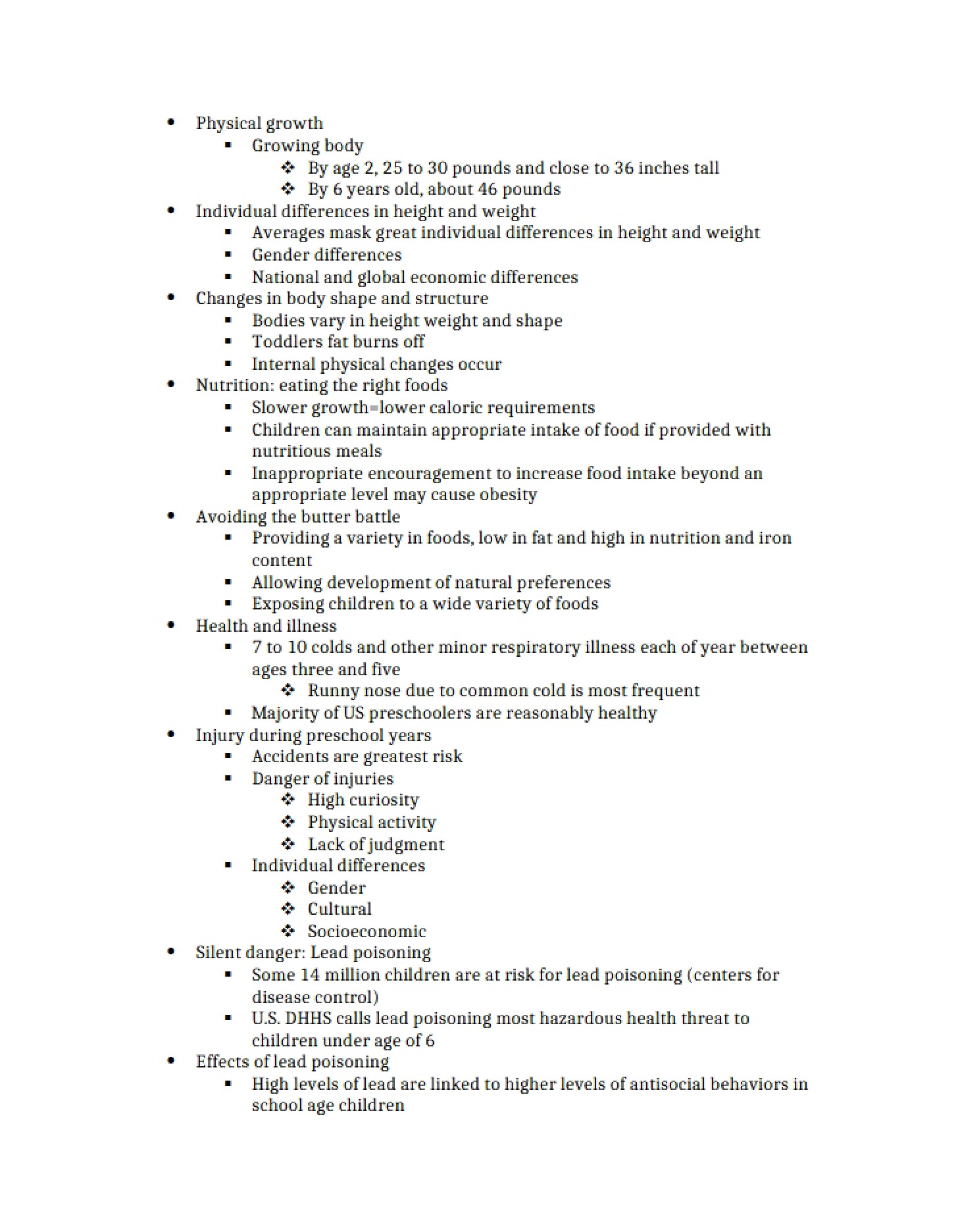
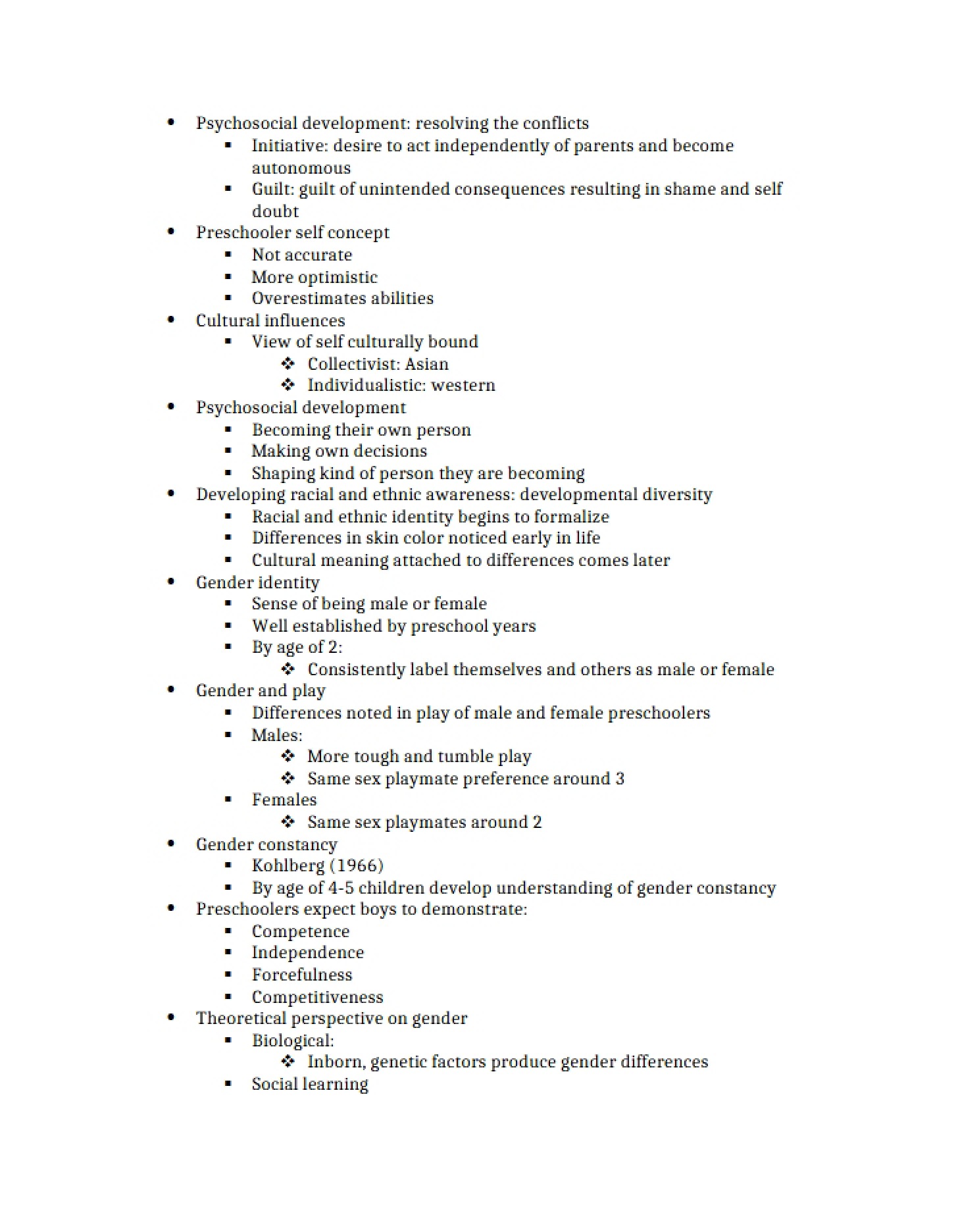
This study guide is designed to help students prepare for the final exam in Florida International University’s Human Growth and Development (DEP 2000) course. It covers material from Chapters 10 through 19, compiled from notes taken by a student who earned an A in the course during Fall 2018. It’s intended as a collaborative study resource, but emphasizes the importance of referring to the professor’s materials for the most accurate and up-to-date information.
Why This Document Matters
This guide is valuable for students seeking a focused review of key concepts before the final exam. It’s particularly useful for identifying important terms, statistics, and theories covered in the later half of the course. It serves as a supplementary tool to existing notes and readings, helping students consolidate their understanding of human development across the lifespan. It’s best used *after* completing coursework and readings, as a way to test and refine knowledge.
Common Limitations or Challenges
This study guide is not a replacement for course materials or active participation in class. It represents one student’s interpretation and organization of the content. The guide explicitly states that students should always prioritize their professor’s instructions and take their own notes for optimal learning. It is a review tool, not a comprehensive textbook.
What This Document Provides
The study guide includes key concepts and terms from Chapters 10-19, including definitions and explanations of: social comparison, self-esteem, Kohlberg’s stages of moral development, Carol Gilligan’s perspective on moral behavior, the impact of divorce on children, blended families, attributions, emotional intelligence, adolescence, puberty, and primary sex characteristics. It also highlights specific facts and statistics related to bullying and menstruation.
This preview does *not* include the full content of Chapters 10-19, nor does it contain any practice questions or detailed explanations beyond those provided in the excerpt. It does not cover all topics within those chapters.