What This Document Is
This document is a comprehensive final examination for JRL 101: Media & Society at West Virginia University. It assesses understanding of core concepts discussed throughout the course, focusing on the roles, histories, and practical applications of key areas within the media landscape. The examination covers a broad range of topics central to understanding how media functions within society, and how organizations interact with the public.
Why This Document Matters
This examination is crucial for students enrolled in JRL 101 seeking to gauge their mastery of the course material. It’s an invaluable resource for final review, helping you identify areas where further study may be needed before the official assessment. Students preparing for similar introductory media studies courses at other institutions may also find the scope of topics covered helpful for understanding foundational concepts. Utilizing this resource can contribute to a stronger overall grasp of media’s influence and its evolving practices.
Common Limitations or Challenges
This document represents the *structure* and *scope* of the final examination. It does not, however, contain the actual examination questions, answers, or specific case studies that will be presented during the official assessment. It is designed to highlight the areas of focus, not to provide a shortcut to success. Successful preparation will still require thorough engagement with course readings, lectures, and independent study.
What This Document Provides
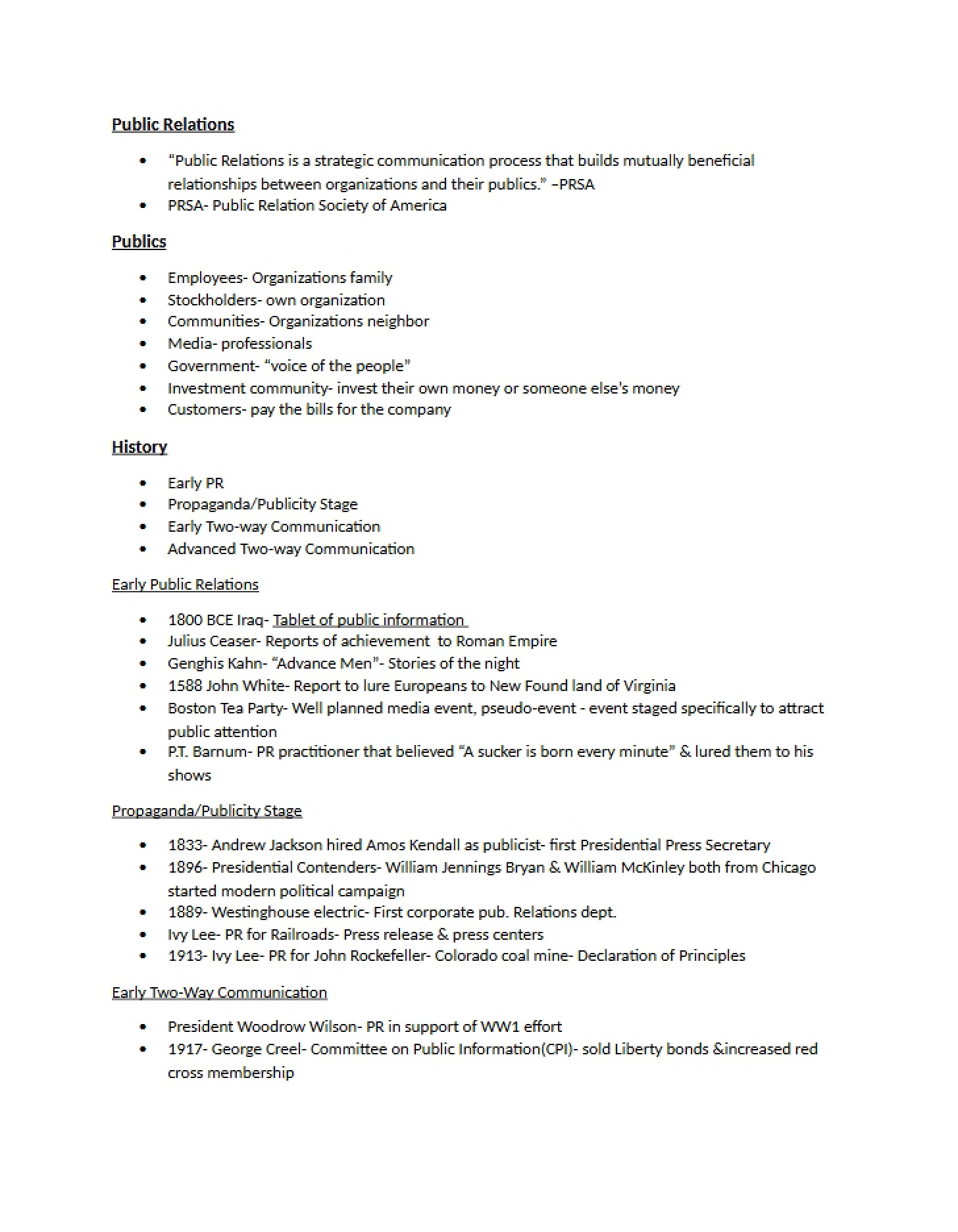
* An overview of historical developments in public relations, from early political campaigns to modern corporate strategies.
* A breakdown of the relationship between public relations and the news media.
* Exploration of crisis communication strategies and real-world examples.
* Insight into the organizational structure of public relations operations.
* A review of key techniques used in public relations, including press releases and special events.
* A historical overview of the advertising industry, tracing its evolution alongside technological advancements.
* Discussion of advertising’s impact on consumer culture and the media landscape.
* Examination of advertising’s role during significant historical events, such as wartime.