What This Document Is
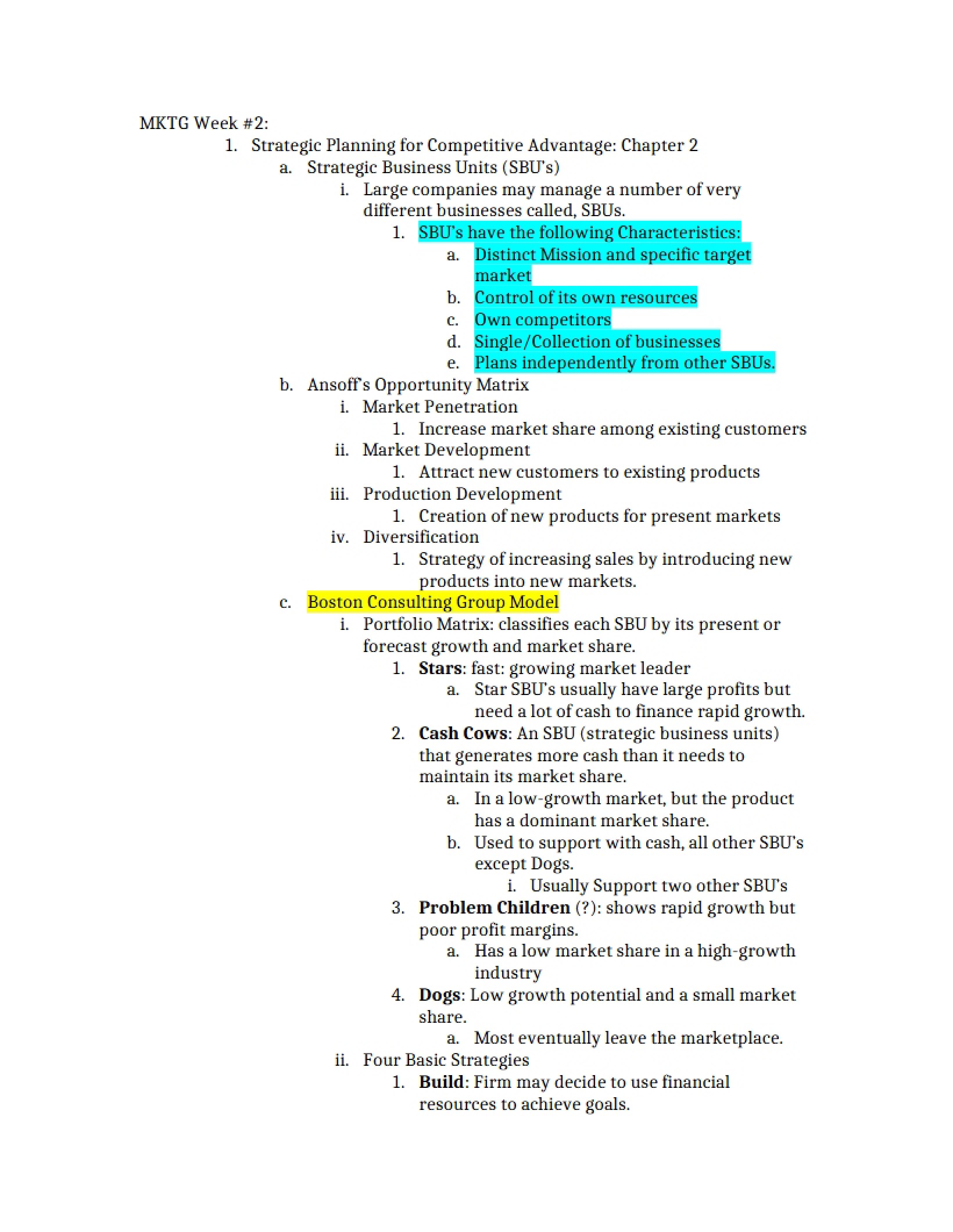
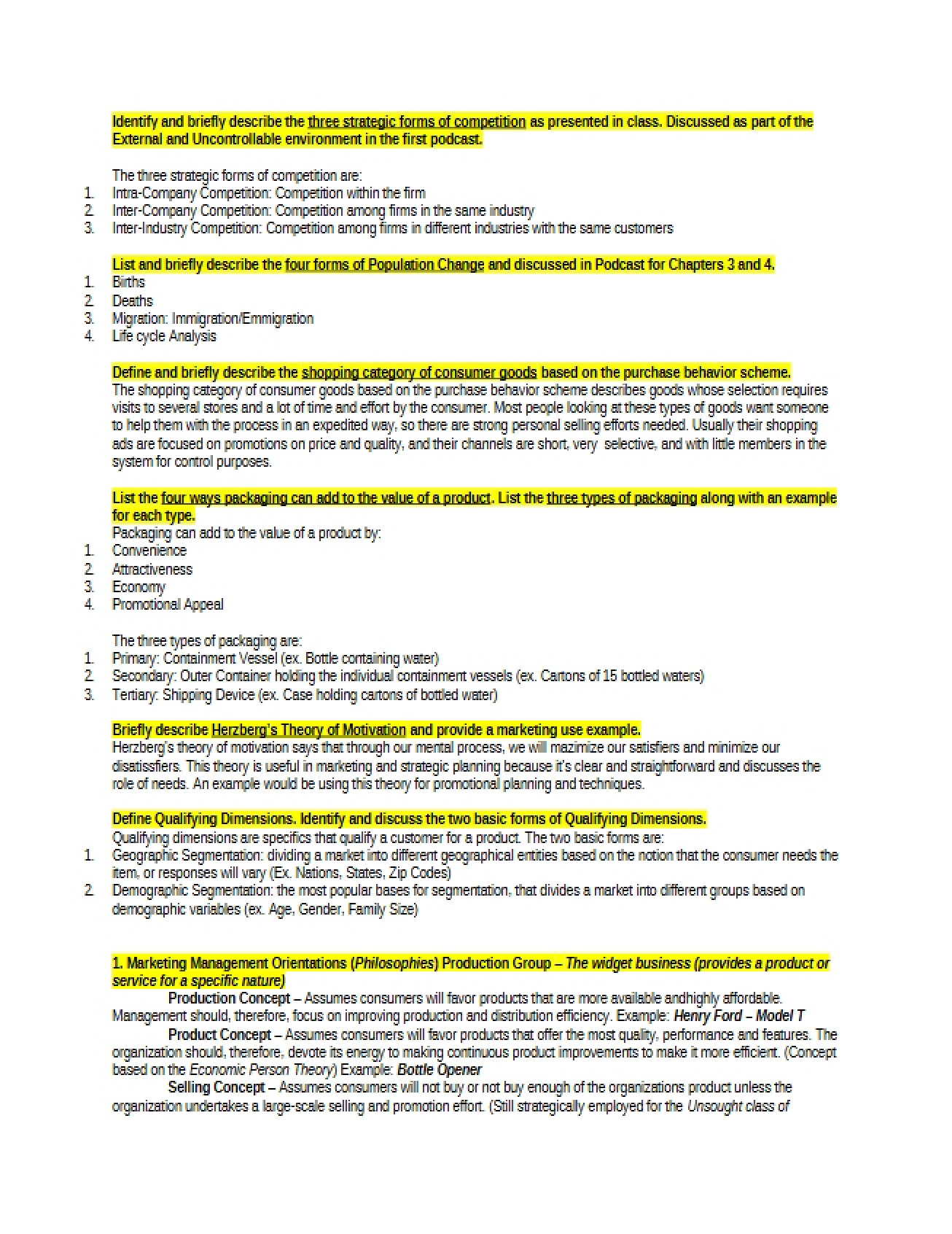
This document is a study guide for MKTG 351, Principles of Marketing, at California State University, Fullerton. It appears to be a compilation of key terms, concepts, and frameworks covered in the course, likely prepared for final exam review. The content focuses on promotional strategy and Integrated Marketing Communications (IMC).
Why This Document Matters
This study guide is valuable for students enrolled in MKTG 351 who are preparing for their final exam. It serves as a concentrated review of core promotional concepts, helping students identify areas for further study and reinforce their understanding of the material. It’s most useful *after* completing coursework and needing a focused refresher.
Common Limitations or Challenges
This study guide is a condensed overview and does not replace the need for thorough engagement with course lectures, readings, and assignments. It provides definitions and outlines concepts, but doesn’t offer in-depth analysis, practical application examples, or opportunities for practice. It is a review tool, not a learning tool in itself.
What This Document Provides
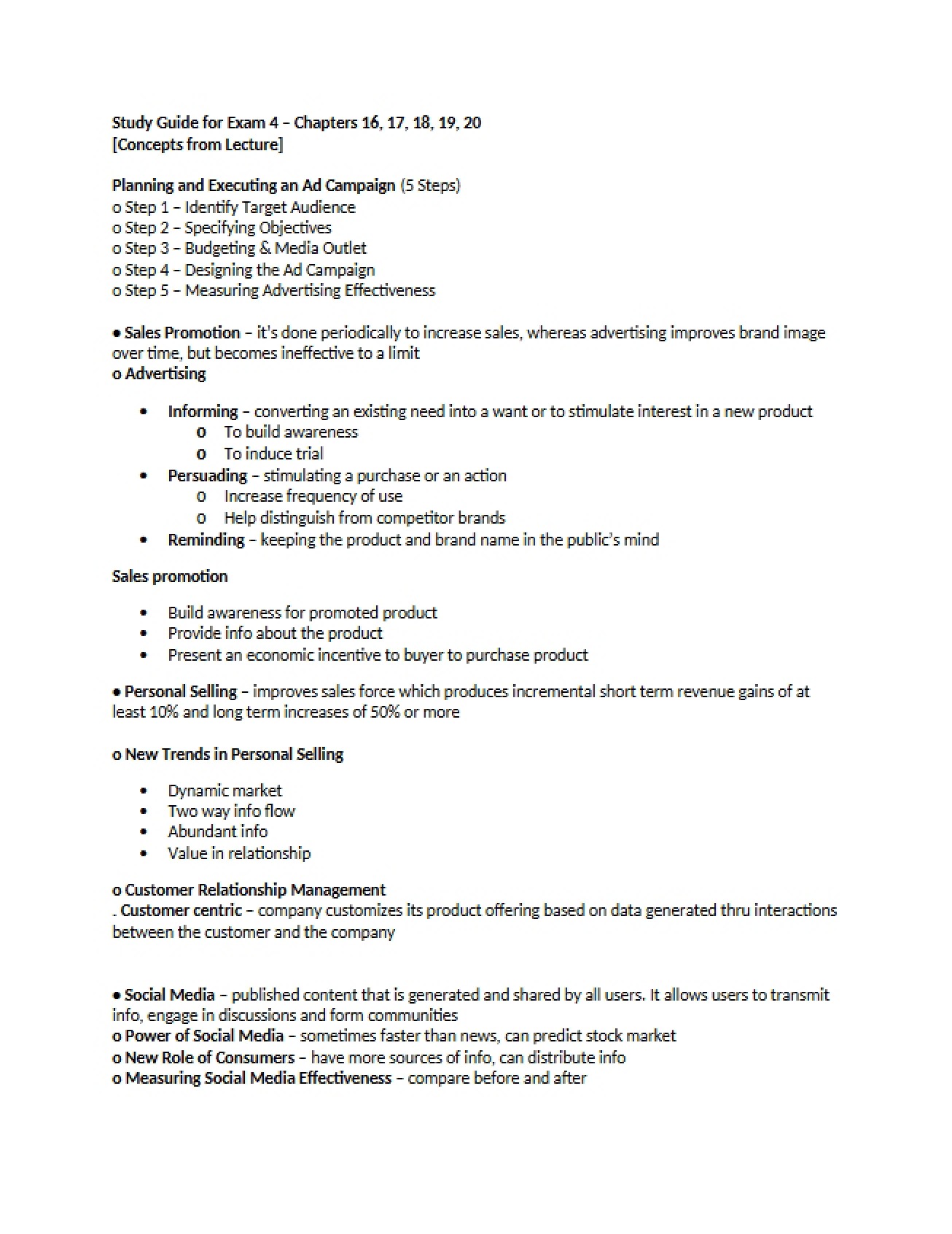
The full document includes: definitions of key terms like “coordination” and “integration” within IMC; a breakdown of the five elements of promotion (Advertising, Public Relations, Sales Promotion, Personal Selling, Social Media); an explanation of promotional goals related to product value; a discussion of how promotion strategies shift across the Product Life Cycle (PLC); an overview of the AIDA concept (Attention, Interest, Desire, Action); factors influencing the promotional mix; distinctions between consumer and business products, simple and elaborate buying decisions; explanations of push and pull strategies; a detailed look at advertising, including the advertising response function and types of advertising (Institutional, Product, Pioneering, Competitive, Comparative); an introduction to DAGMAR (Defining Advertising Goals for Measured Advertising Results) and its steps; an overview of media planning and scheduling options; and a definition of Public Relations and Sales Promotion.
This preview does *not* include detailed examples, case studies, practice questions, or complete explanations of each concept – only a high-level overview of the topics covered.