What This Document Is
This document represents the final lecture session for BUSA 310, Survey of Business Law, at West Virginia University. It’s a comprehensive overview of key concepts related to various facets of law impacting business operations, covering both tangible and intangible assets. The lecture synthesizes information likely discussed throughout the semester, providing a culminating review of essential legal principles. It delves into areas crucial for understanding business rights, responsibilities, and potential liabilities.
Why This Document Matters
This material is particularly valuable for students preparing for a final exam or seeking a consolidated understanding of the course’s core themes. It’s also beneficial for anyone interested in gaining a foundational knowledge of business law principles applicable to real-world scenarios. Future business professionals, entrepreneurs, and managers will find the concepts discussed here relevant to their decision-making processes and risk management strategies. Reviewing this content can help solidify your grasp of legal frameworks before entering professional practice.
Common Limitations or Challenges
This lecture session is designed as a review and synthesis of broader topics. It does *not* provide exhaustive case studies, detailed statutory analysis, or legal advice. It’s important to remember that legal principles are often nuanced and subject to interpretation, and this material should not be substituted for professional legal counsel. The content assumes prior engagement with the course material and foundational legal concepts.
What This Document Provides
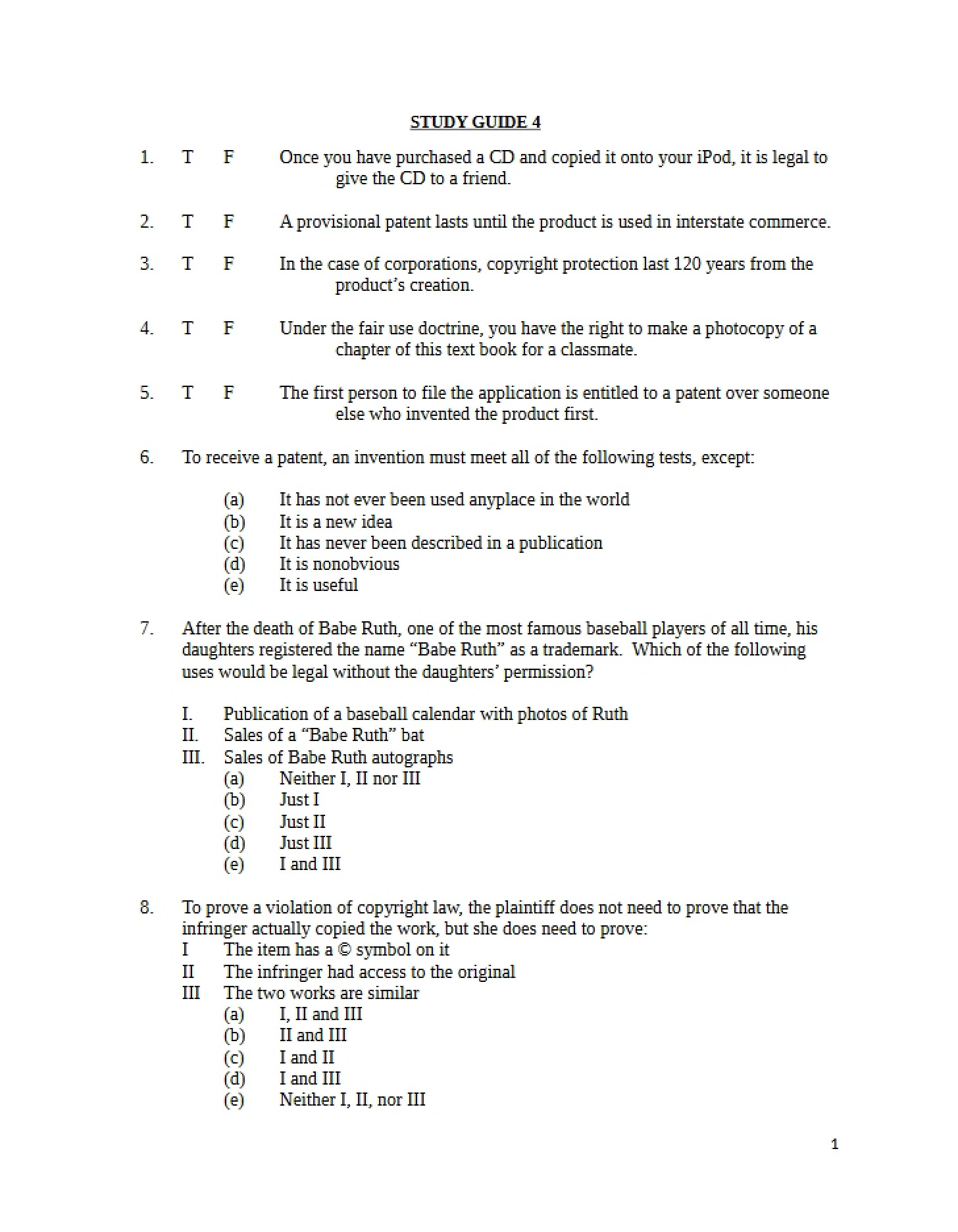
* An overview of Intellectual Property law, including patents, copyrights, and trademarks.
* Discussion of rights associated with Real Property, including different types of concurrent ownership and land use regulations.
* Examination of Landlord/Tenant law and associated responsibilities.
* Explanation of concepts related to Personal Property, including gifts and found/abandoned property.
* Introduction to legal considerations for common carriers and innkeepers.
* Coverage of zoning ordinances and the concept of eminent domain.