What This Document Is
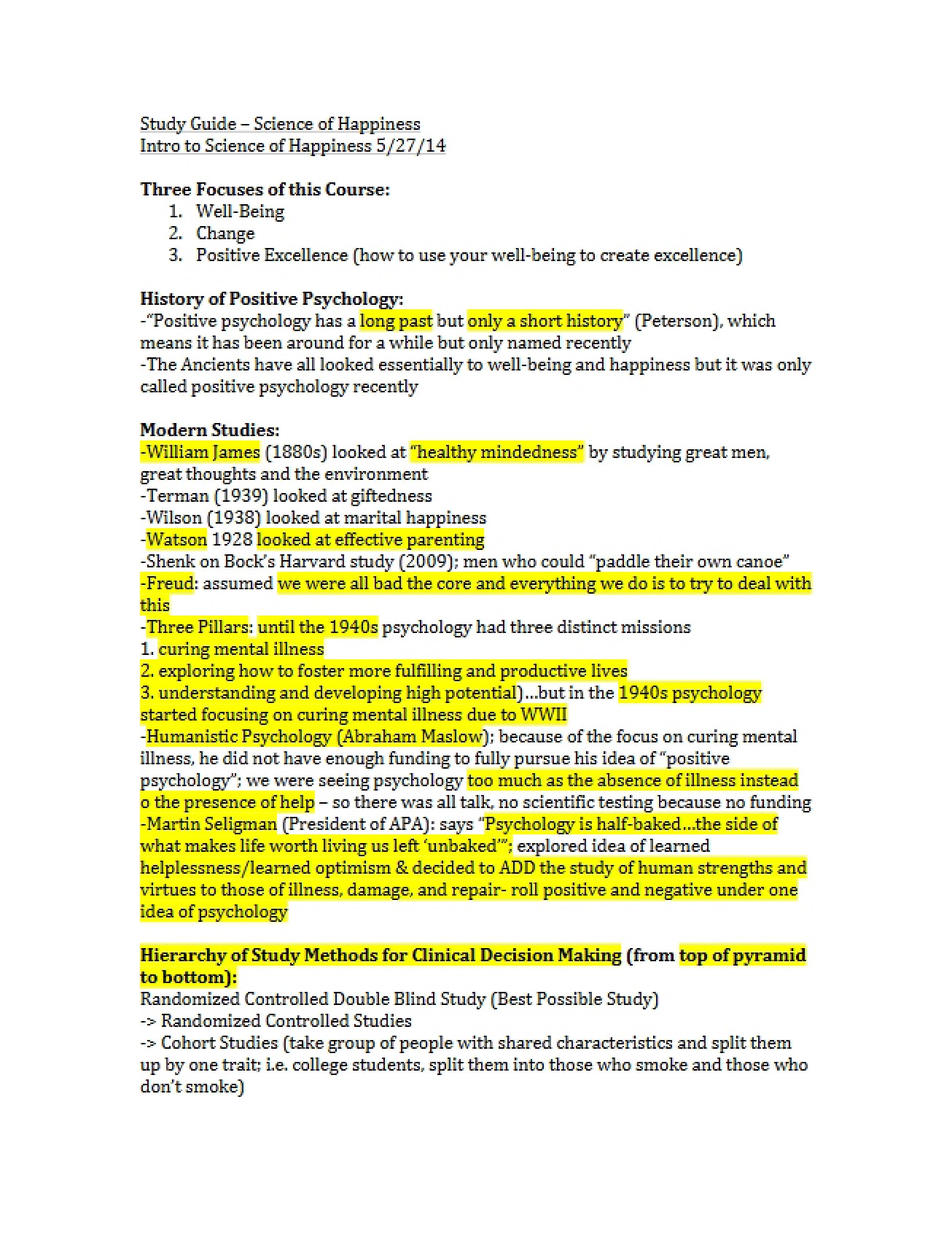
This is a study guide for CAMSUA 110, The Science of Happiness at New York University. It’s designed to help students prepare for assessments by reviewing key concepts and research covered in the course. The guide focuses on the foundations of well-being, the limitations of pursuing happiness through external means, and actionable strategies for increasing life satisfaction.
Why This Document Matters
This study guide is essential for students enrolled in The Science of Happiness. It serves as a concentrated review of the course material, highlighting important theories like the Hedonic Treadmill and PERMA, and providing a framework for understanding the complexities of happiness. It’s most useful when used in conjunction with course lectures, readings, and assignments, particularly as an exam preparation tool.
Common Limitations or Challenges
This study guide is a *review* of material; it does not *teach* the concepts. It’s not a substitute for attending lectures or completing assigned readings. While it summarizes key ideas, it doesn’t offer in-depth explanations or detailed research findings. It also doesn’t include practice questions or sample exams.
What This Document Provides
The full study guide includes:
* An overview of Positive Psychology and its historical context.
* Explanations of the Hedonic Treadmill and Set Point Theory.
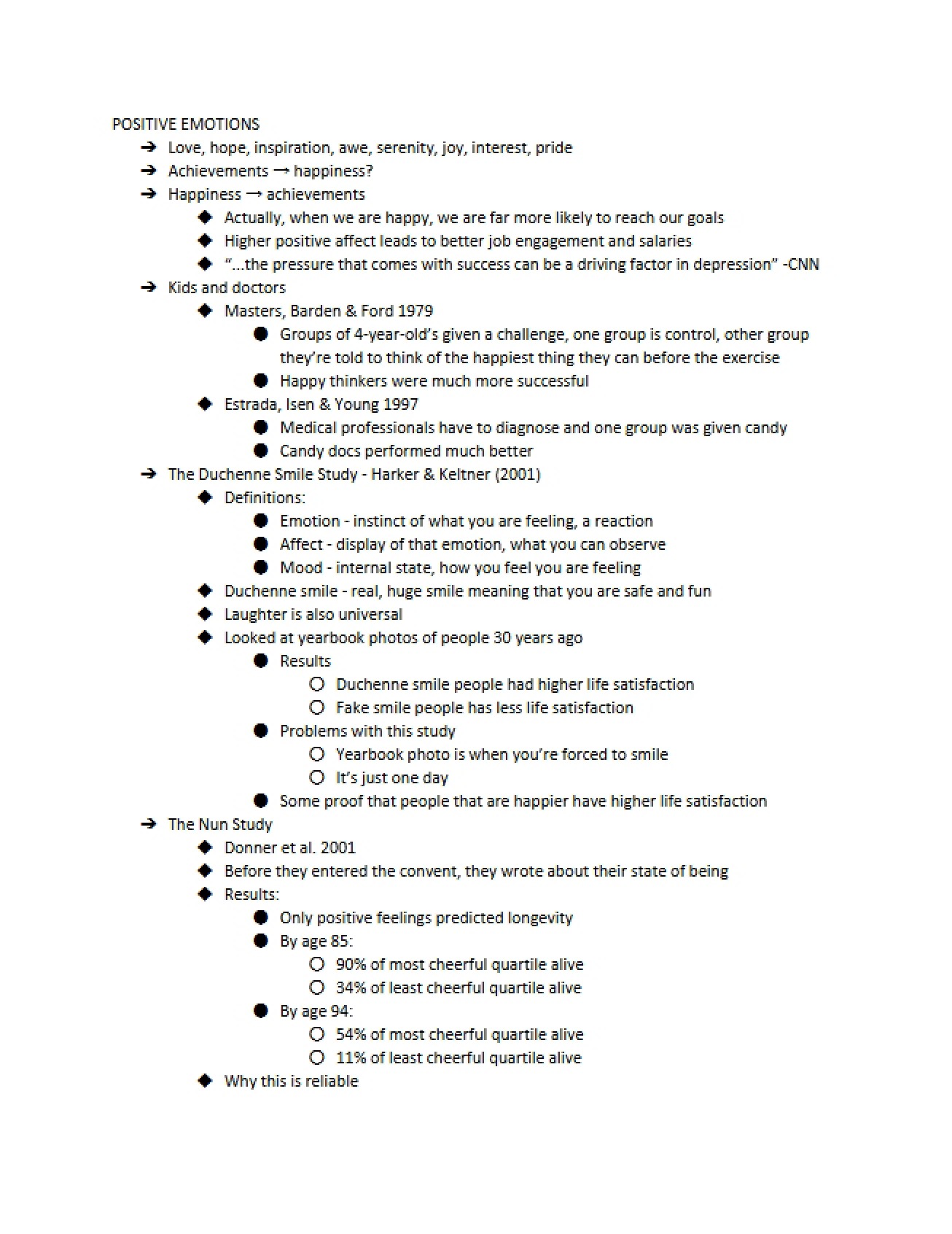
* A breakdown of the PERMA model of well-being (Positive Emotion, Engagement, Relationships, Meaning, Achievement).
* Discussion of factors influencing subjective well-being (income, genetics, relationships, etc.).
* Insights into how to invest in lasting happiness versus fleeting pleasures.
* Information on the Circumplex Model of family functioning.
This preview provides a high-level overview of the guide’s scope and content. It does *not* include the full explanations of theories, research studies, or specific examples found within the complete document.