What This Document Is
This is the first handout for CHEM 153A, an introductory Biochemistry course at UCLA. It serves as a foundational overview of the core building blocks essential to understanding life at the molecular level. This handout begins to lay the groundwork for exploring the complex world of biochemical processes, focusing on the structures and functions of key biomolecules. It’s designed to be a starting point for students new to the field, or those needing a refresher on fundamental concepts.
Why This Document Matters
This handout is particularly valuable for students enrolled in introductory biochemistry courses, or related fields like molecular biology, pre-med, or biophysics. It’s best utilized at the *beginning* of your studies, as it establishes the essential vocabulary and conceptual framework that will be built upon throughout the semester. Understanding these initial concepts is crucial for successfully navigating more advanced topics in metabolism, enzyme kinetics, and genetic expression. Access to the full handout will provide a solid base for your learning journey.
Topics Covered
* The fundamental components of all cells (prokaryotic and eukaryotic)
* An introduction to the four major classes of biomolecules: amino acids, sugars, lipids, and nucleotides.
* Hierarchical organization of cellular components – from monomers to supramolecular complexes.
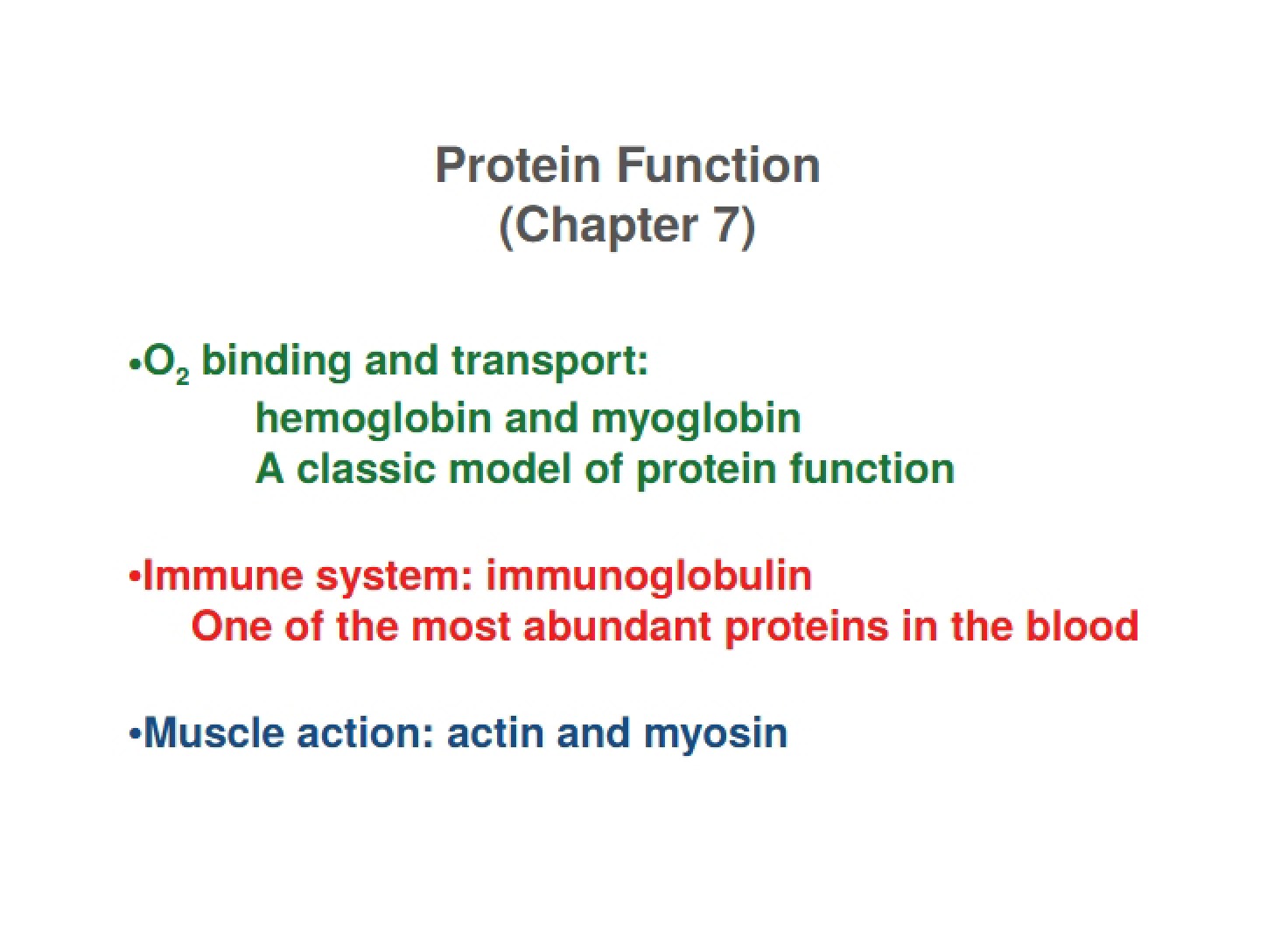
* The central role of proteins and their diverse functions within living systems.
* Basic principles of stereochemistry and chiral centers, as they relate to biomolecular structure.
* Nomenclature and representation of stereoisomers.
What This Document Provides
* An overview of the course and its key areas of focus.
* A comparative look at different types of cells and their shared foundational elements.
* A preliminary exploration of the sheer scale of biochemical complexity, including the number of proteins found in a single organism.
* Visual representations of molecular structures and arrangements.
* An introduction to the concepts of chirality and stereoisomerism, essential for understanding biomolecular interactions.
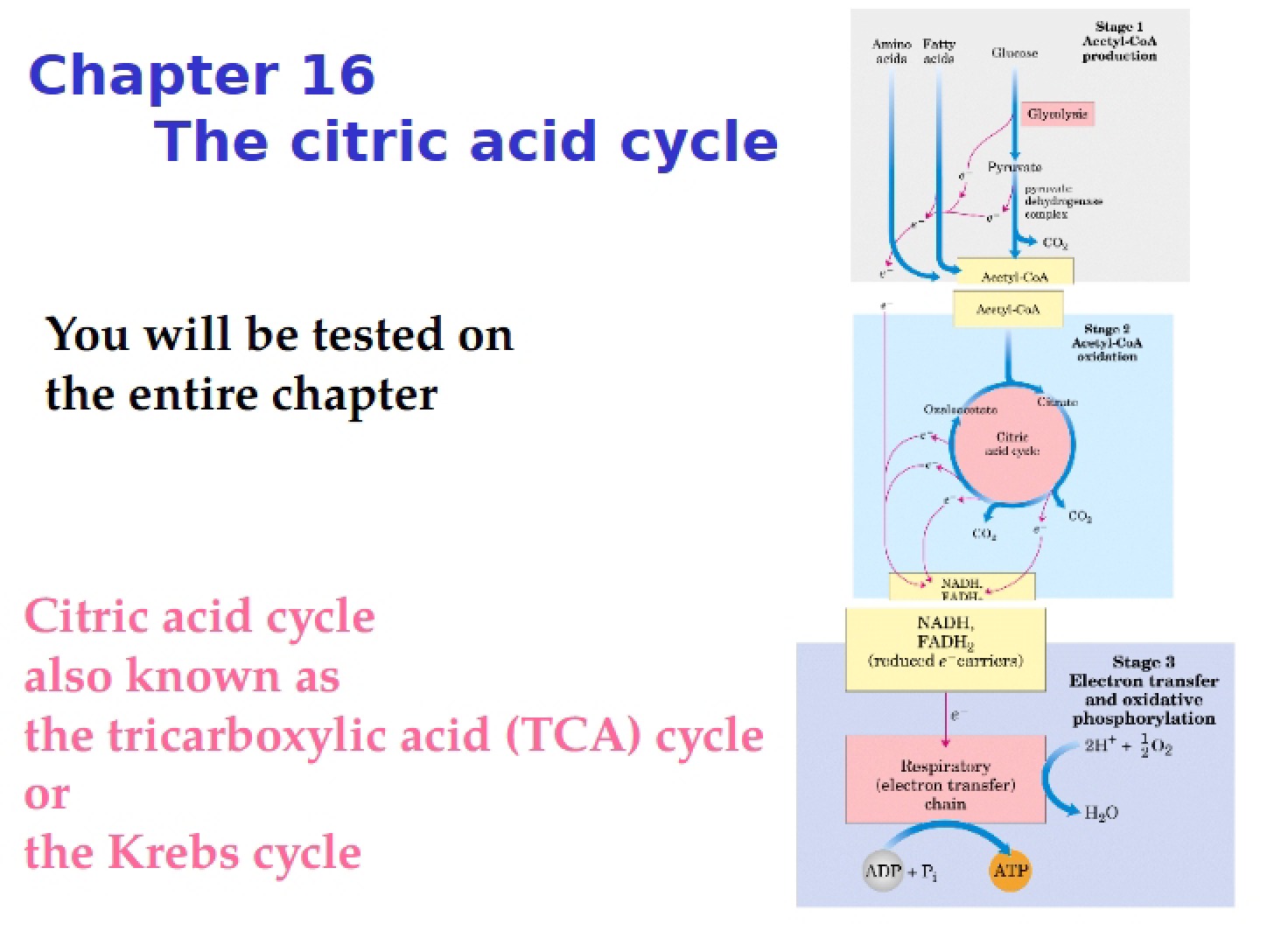
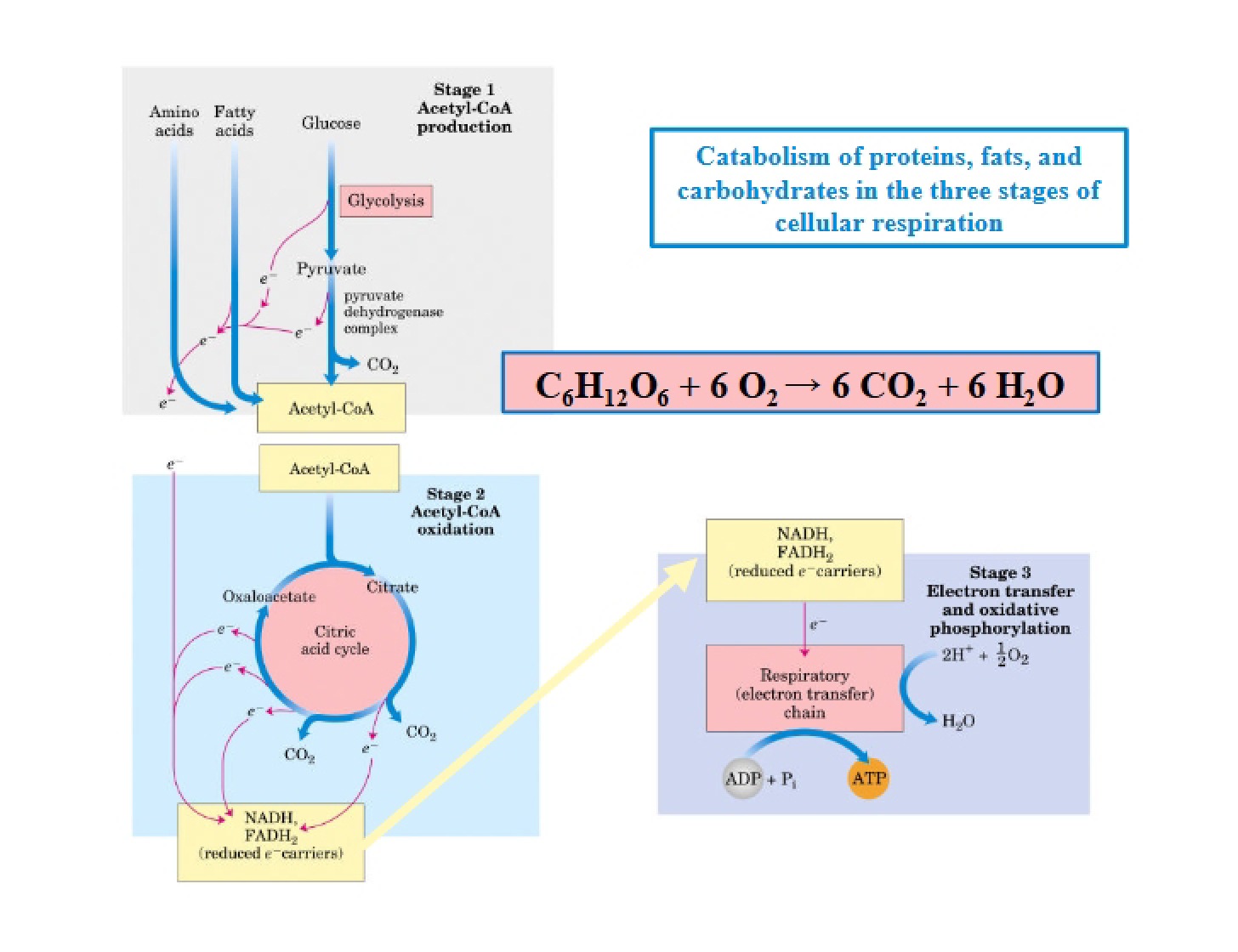
* A foundation for understanding how cells obtain and utilize energy.