What This Document Is
This document provides a detailed anatomical reference for the muscles of the back, a core component of the Gross Human Anatomy (SARH S369) course at Boston University. It’s a muscle-by-muscle breakdown, outlining origins, insertions, actions, and nerve supplies. This is intended as a study aid for identifying and understanding the functional roles of key back musculature.
Why This Document Matters
This resource is essential for students in Gross Human Anatomy who need a concise and organized overview of back muscle anatomy. It’s particularly useful during lab sessions where identification and functional understanding are critical. Understanding these muscles is foundational for comprehending movement, posture, and potential clinical implications related to the back and surrounding structures.
Common Limitations or Challenges
This document is a reference guide and does *not* include detailed dissection instructions, clinical case studies, or interactive learning elements. It assumes a base level of anatomical terminology and does not provide in-depth explanations of neurological pathways beyond nerve supply identification. It also does not cover palpation techniques or dynamic muscle testing.
What This Document Provides
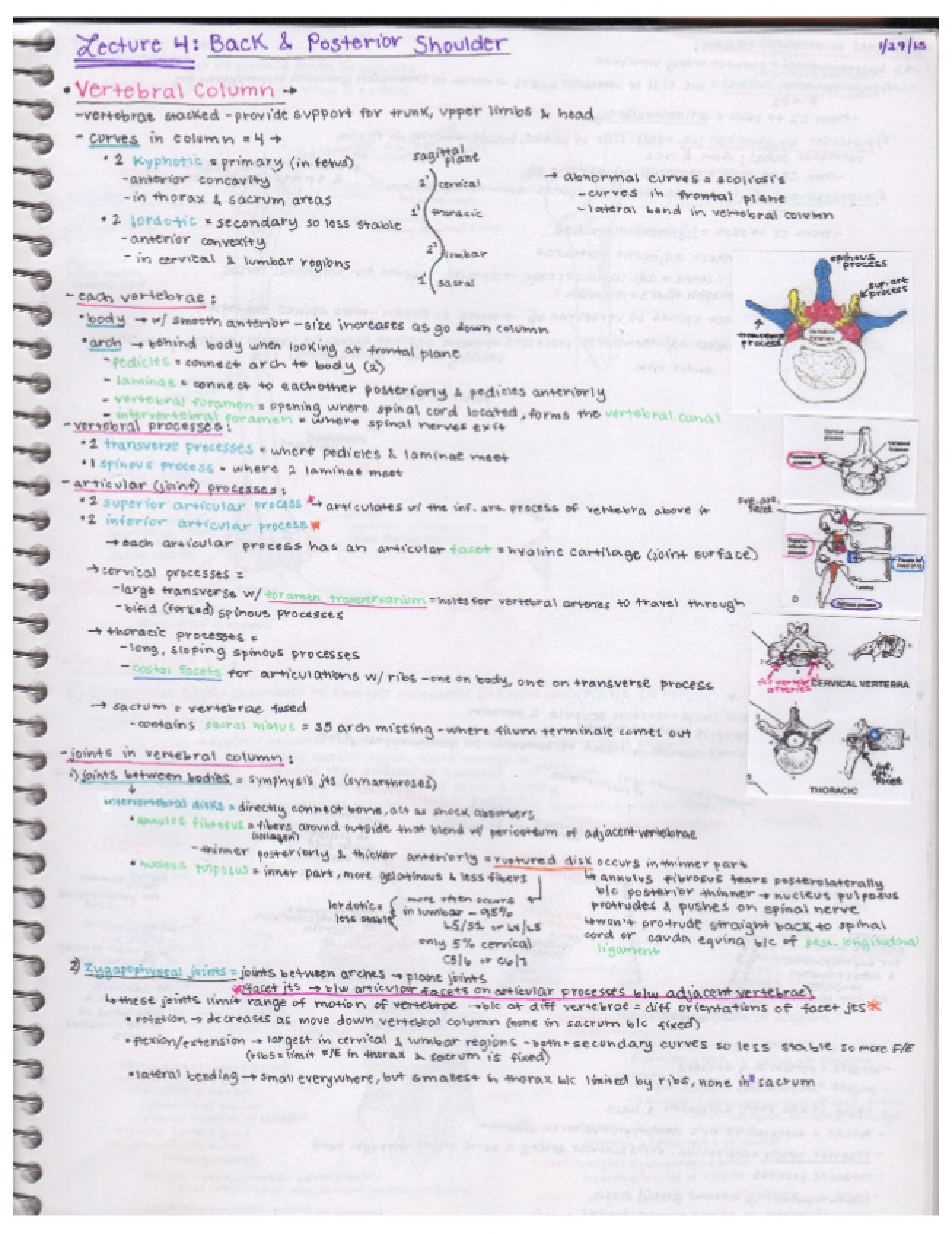
The full document includes comprehensive information on the following muscles: upper, middle, and lower fibers of the trapezius; rhomboid major and minor; levator scapulae; latissimus dorsi; serratus posterior superior and inferior; iliocostalis, longissimus, and spinalis; rectus capitus posterior major and minor; and obliquus capitus superior and inferior. For each muscle, you’ll find specific details regarding:
* Origin points
* Insertion points
* Primary actions
* Innervating nerve(s)
This preview only provides a sampling of the muscles covered and does not include illustrations or diagrams found in the complete document.