What This Document Is
This document comprises lecture notes from the first lecture of Microbiology 4000 at The Ohio State University. It serves as a foundational overview of the field, tracing the historical development of microbiology and introducing core concepts related to microbial life. It’s designed to establish a strong base understanding for subsequent, more detailed explorations within the course. The material presented is a starting point for understanding the scope and significance of microbiology.
Why This Document Matters
This resource is invaluable for students enrolled in Micro 4000 seeking to solidify their understanding of the historical roots and fundamental principles of microbiology. It’s particularly helpful for those who benefit from a structured lecture-based approach and want a reference point to revisit key ideas. Reviewing this material before subsequent lectures, or as preparation for assessments, can significantly enhance comprehension and retention. It’s a crucial first step in mastering the complexities of the microbial world.
Topics Covered
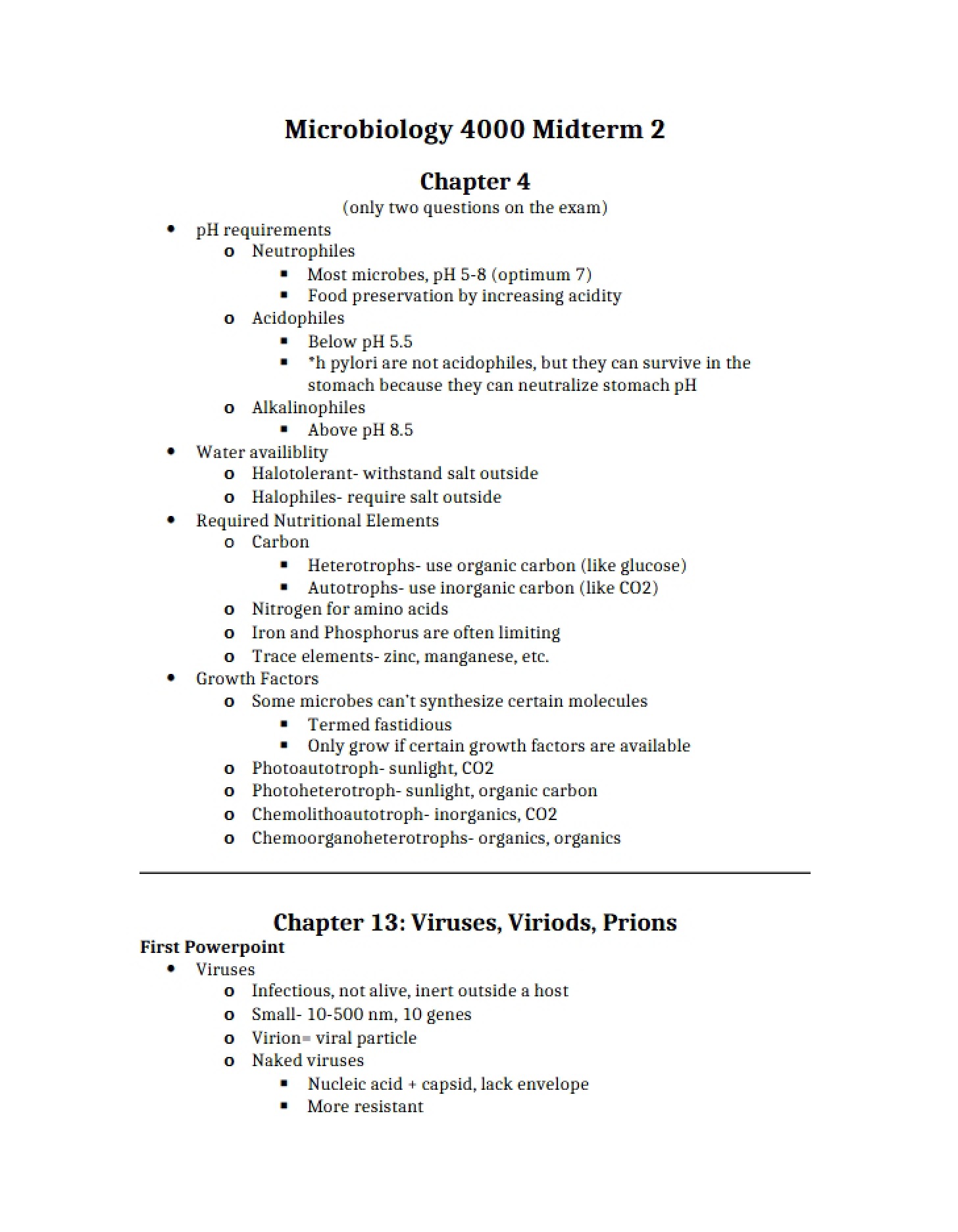
* The historical origins of microbiology and the development of cell theory.
* Early debates surrounding spontaneous generation versus biogenesis.
* Landmark discoveries and contributions from key figures in microbiology.
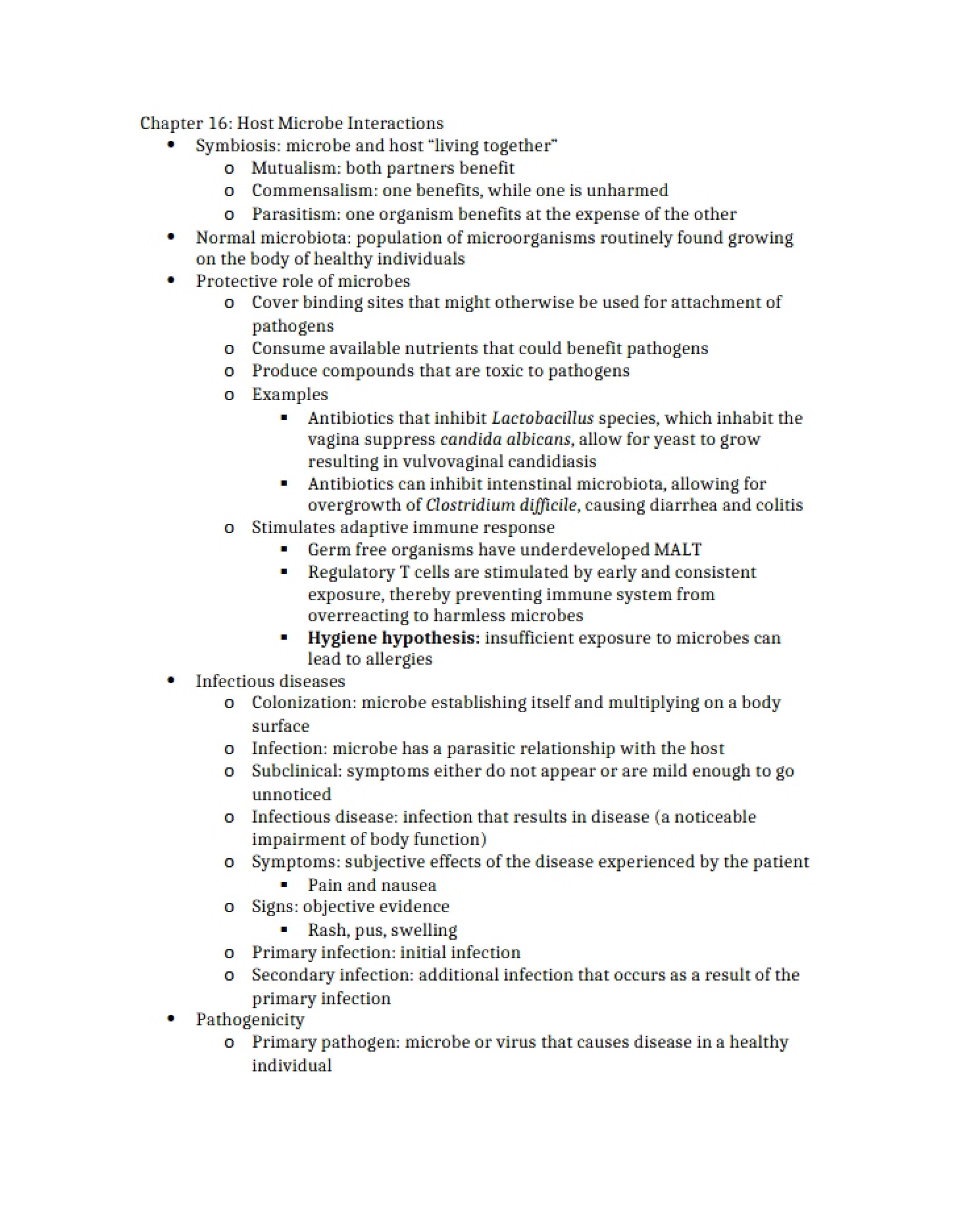
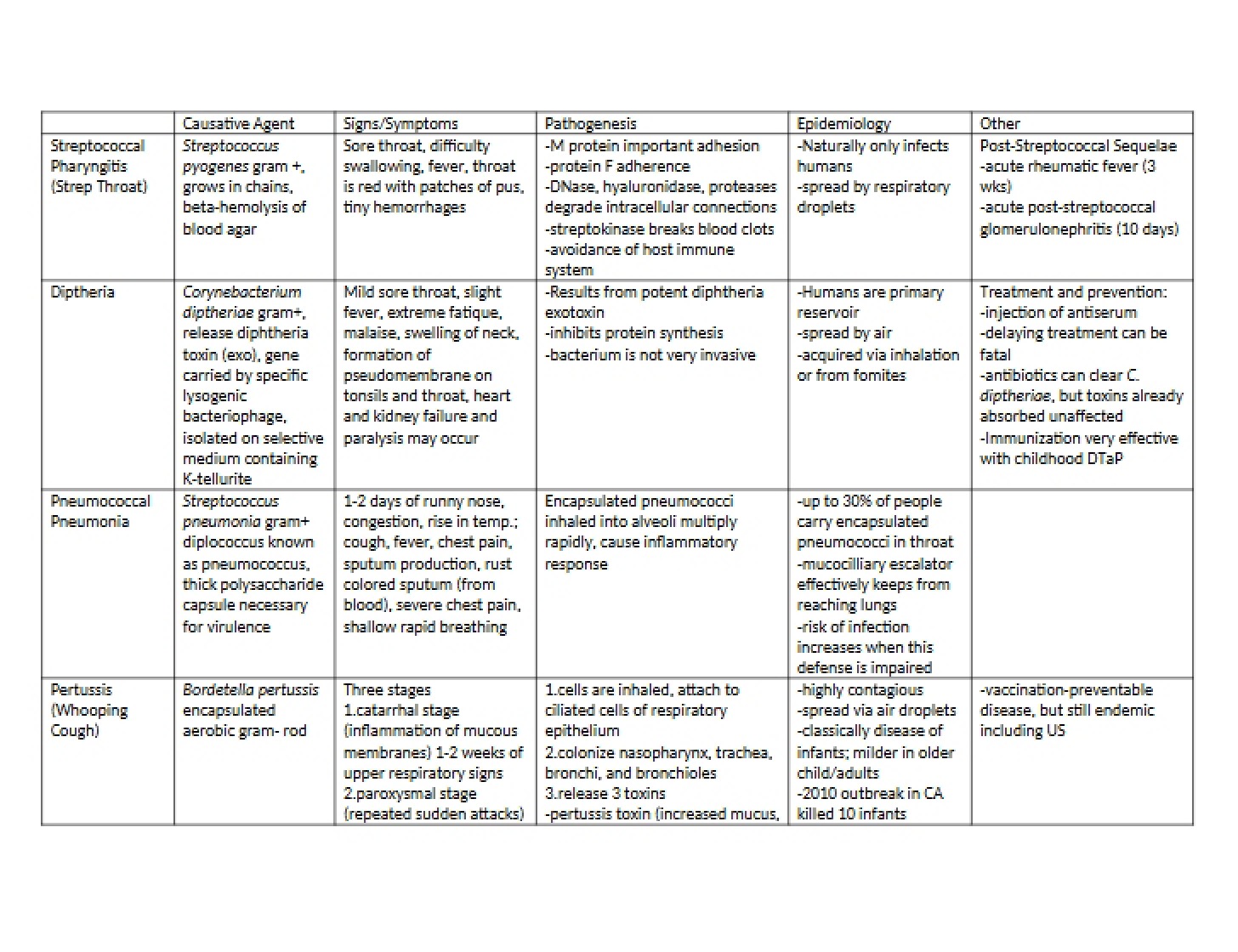
* The role of microorganisms in various processes, including disease and environmental functions.
* An introduction to the three domains of life and the characteristics of bacteria and archaea.
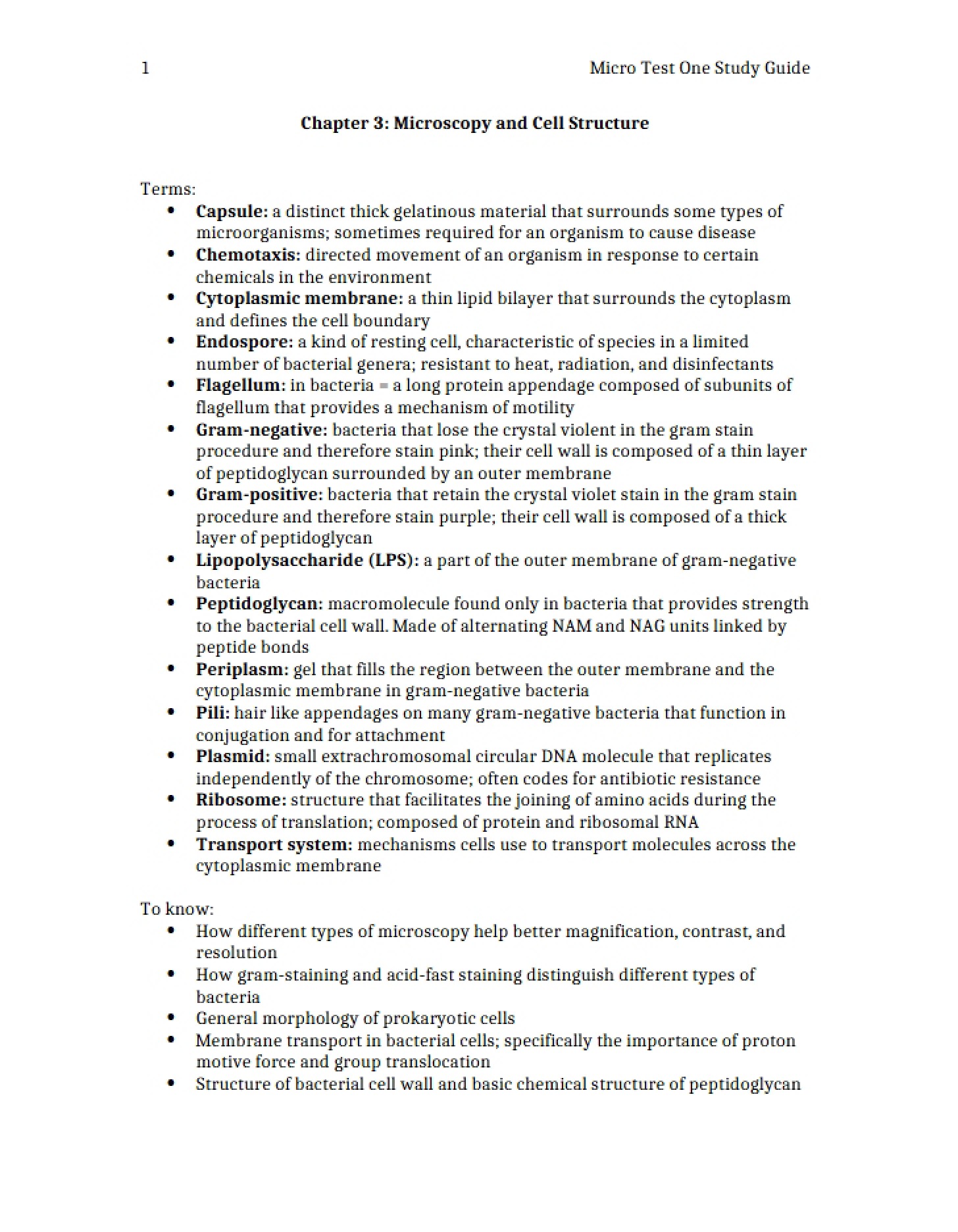
* Basic microbial structures and their functions.
* An overview of bacterial shapes, arrangements, and external structures.
* Initial concepts related to bacterial cell walls and transport mechanisms.
What This Document Provides
* A chronological overview of pivotal moments in the history of microbiology.
* An introduction to the scientists who shaped our understanding of microbes.
* A foundational understanding of the diverse roles microorganisms play in the environment and in health.
* A preliminary exploration of the characteristics that define different microbial groups.
* Key terminology and concepts essential for success in Micro 4000.
* A starting point for understanding bacterial morphology and structural components.