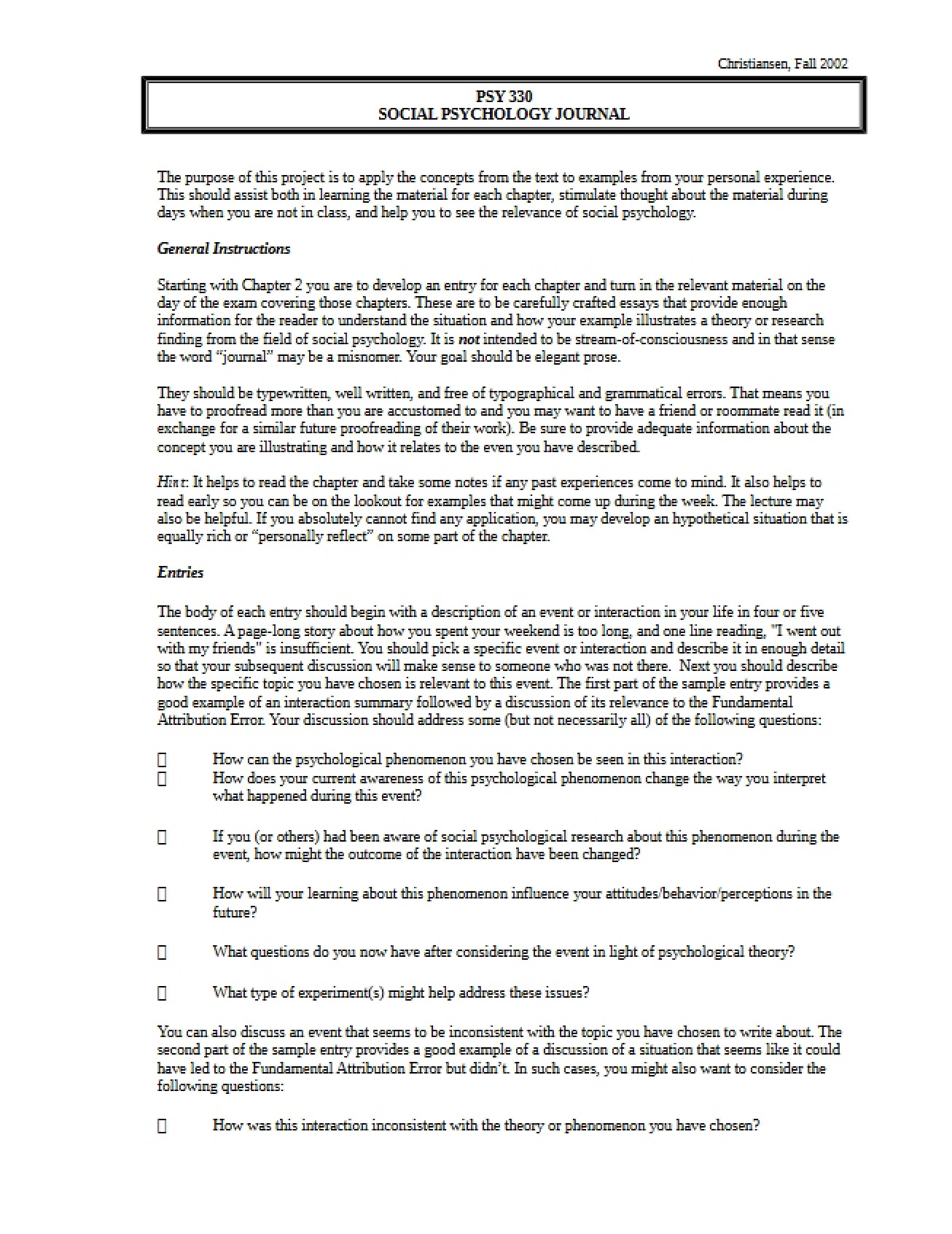
What This Document Is
These are lecture notes from the first chapter of a Social Psychology (PSY 330) course at Central Michigan University. They provide an overview of the field’s origins, core concepts, and research approaches. This document serves as a foundational introduction to the course material, outlining key historical influences and the central themes that will be explored throughout the semester.
Why This Document Matters
This preview is valuable for students enrolled in PSY 330, or anyone interested in gaining a high-level understanding of social psychology. It’s particularly useful at the beginning of a course to grasp the scope of the discipline and identify key areas of focus. Understanding these foundational concepts will enhance comprehension of subsequent lectures and readings. It’s designed to help you quickly assess if the full chapter aligns with your learning needs.
Common Limitations or Challenges
This document is a *preview* of lecture notes, not a comprehensive textbook or self-contained lesson. It doesn’t delve into detailed explanations of research methodologies or provide in-depth analyses of specific studies. It won’t teach you social psychology, but rather orient you to the chapter’s coverage. You’ll still need the full chapter and course materials to fully understand the concepts presented.
What This Document Provides
This preview includes:
* A timeline of early influences in social psychology, including the work of Norman Triplett, Max Ringelmann, and key figures like Gordon Allport and Stanley Milgram.
* An introduction to Kurt Lewin’s formula (B = f(P, E)) relating behavior to person and situation.
* An overview of the historical tensions between behaviorism and psychoanalysis within psychology.
* A description of the “ABC Triad” – Affect, Behavior, and Cognition – as the core components of social psychology.
* A summary of the scientific approach used in social psychology, contrasting it with philosophical inquiry.
* Key terms like correlation coefficient and their significance.
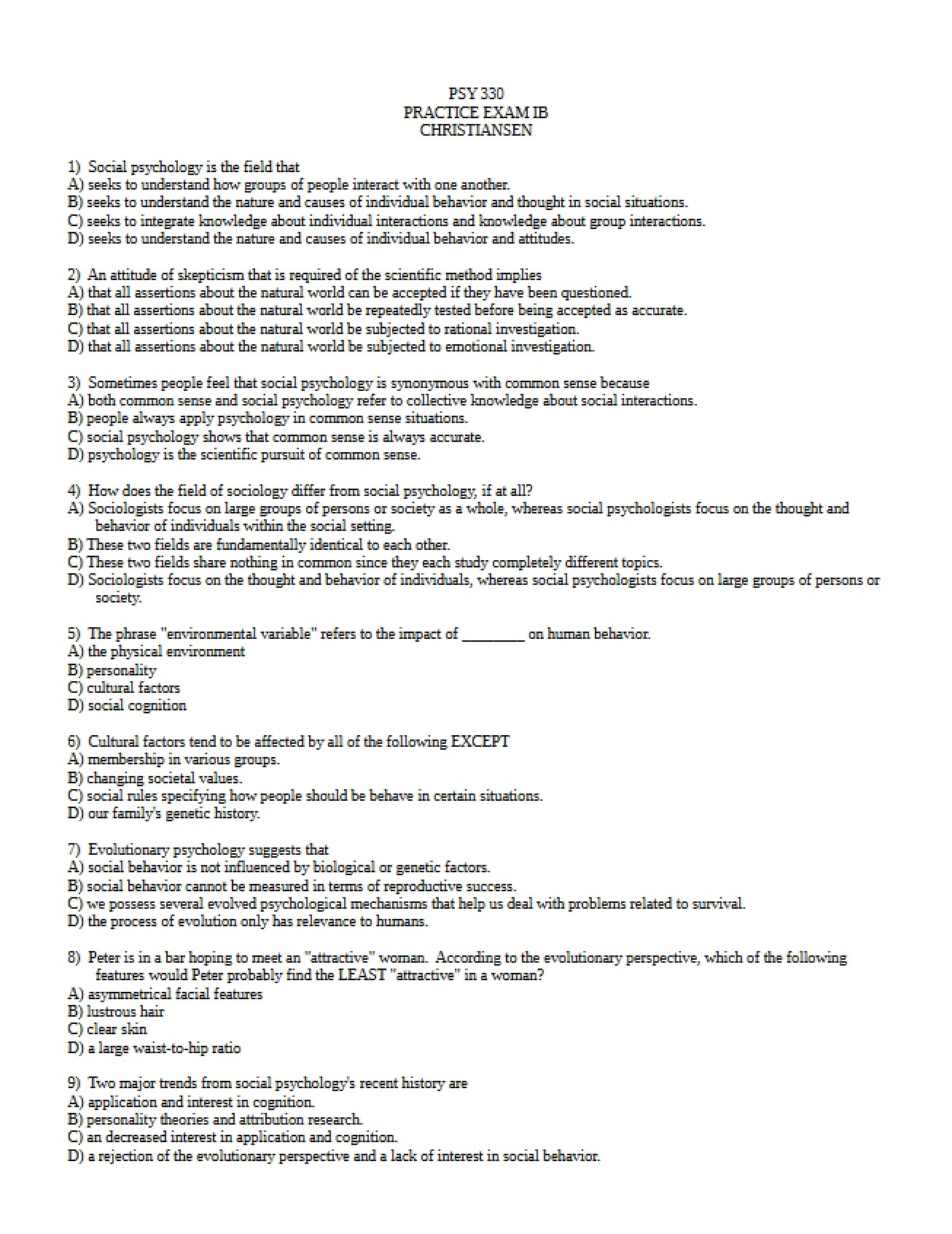
* Sample quiz questions from the chapter, giving you a sense of the material’s testing focus.
This preview *does not* include detailed explanations of the studies mentioned, full definitions of all terms, or a complete analysis of the historical context. It also does not provide answers to the quiz questions.