What This Document Is
This is a comprehensive review resource designed to prepare students for the first midterm examination in EXSC 202L: Principles of Nutrition and Exercise at the University of Southern California. It consolidates key concepts related to body composition, weight management, energy balance, and the physiological factors influencing growth and development. The review aims to help students synthesize the material covered in lectures and readings up to this point in the course.
Why This Document Matters
This review is invaluable for students seeking to assess their understanding of foundational nutrition and exercise science principles *before* a high-stakes assessment. It’s particularly helpful for identifying areas where further study is needed. Students who utilize this review will be better equipped to approach the midterm with confidence and demonstrate a strong grasp of the core concepts. It’s best used in the week leading up to the exam, after completing assigned readings and attending lectures.
Common Limitations or Challenges
This review is *not* a substitute for attending lectures, completing assigned readings, or engaging with course materials. It does not contain new information beyond what has already been presented in the course. It also does not include practice questions or detailed explanations of complex calculations – it’s a focused summary of topics, not a complete re-teaching of the material. It is designed to *refresh* your knowledge, not build it from scratch.
What This Document Provides
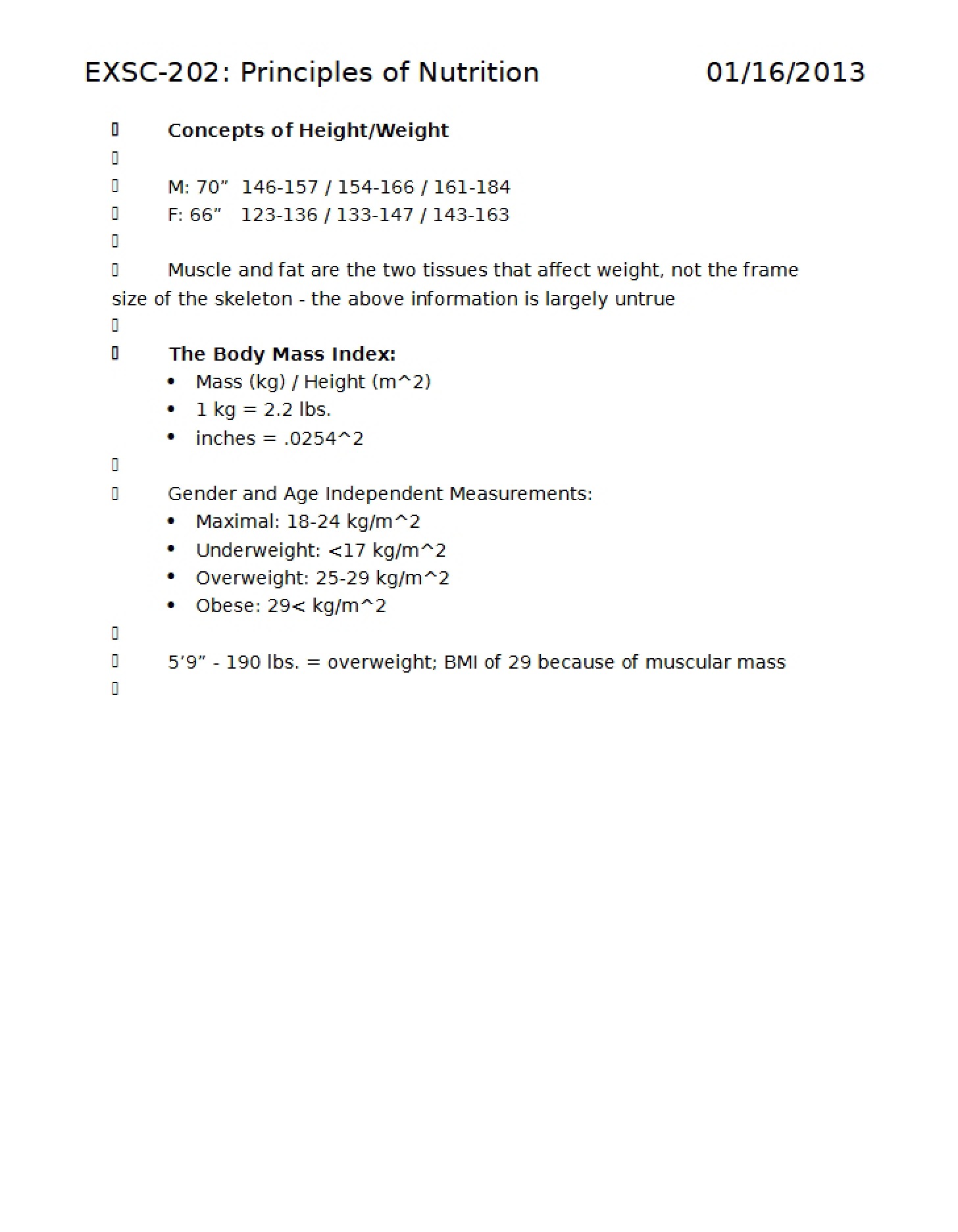
* An overview of methods used to assess body weight and composition.
* Key concepts related to energy expenditure, including Resting Metabolic Rate (RMR).
* A discussion of the factors influencing weight regulation, including hormonal influences and set-point theory.
* Information regarding the caloric content of macronutrients and alcohol.
* Insights into the relationship between diet, physical activity, and body composition changes.
* An exploration of growth and development phases relevant to nutritional needs.
* Considerations regarding various weight management strategies and their physiological effects.