What This Document Is
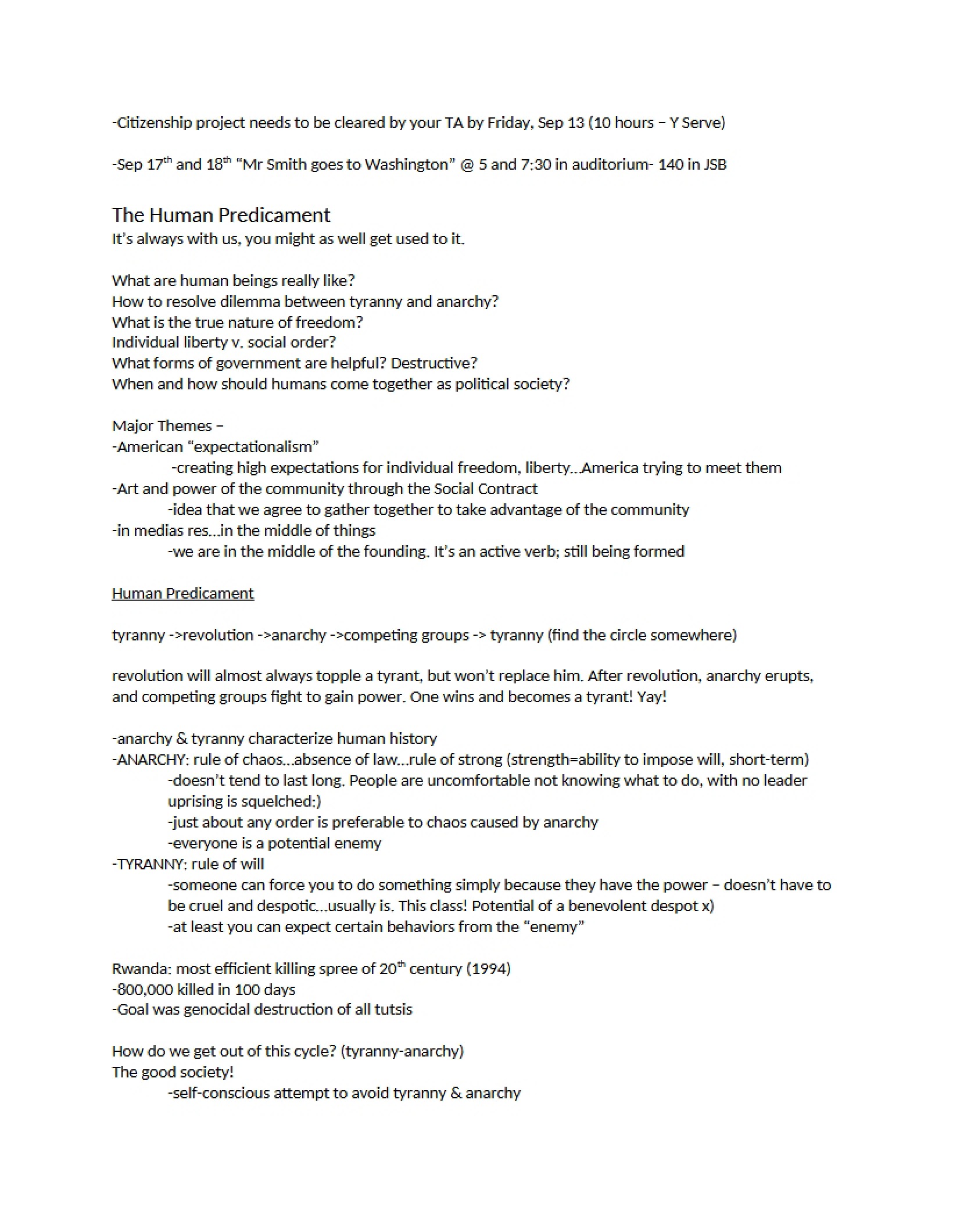
This study guide prepares students for the first midterm exam in Brigham Young University’s American Heritage (AHTG 100) course. It outlines key concepts related to the foundations of American political thought, focusing on competing philosophies and historical influences. The guide is designed for review, not initial learning, and highlights areas of emphasis for the upcoming assessment.
Why This Document Matters
This study guide is essential for students enrolled in AHTG 100 who are preparing for their first midterm. It clarifies the core concepts the instructor deems important, helping students focus their study efforts. Utilizing this guide can improve exam performance by ensuring familiarity with the foundational ideas that shape American heritage. It’s most useful *after* engaging with course readings and lectures.
Common Limitations or Challenges
This study guide is a condensed overview and does not replace the need to thoroughly review assigned readings (specifically referencing “APT” on page 8-9) and lecture notes. It provides a framework for understanding, but doesn’t offer in-depth explanations or detailed historical context. It also doesn’t include practice questions or example exam prompts.
What This Document Provides
The full study guide includes overviews of: Founding principles, Liberalism (including Libertarianism), Republicanism, Utilitarianism, the Human Predicament Cycle, Political Legitimacy, Puritanism, the distinction between Natural and Civil Liberty, Lockean Liberty, the Rule of Law, and a comparison of Mercantilism and Capitalism. It also explores the concept of a “good/just society” through the lenses of these different philosophies, outlining their approaches to freedom, virtue, and welfare. This preview only provides a high-level overview of these topics; the full document contains more detailed explanations and nuances.