What This Document Is
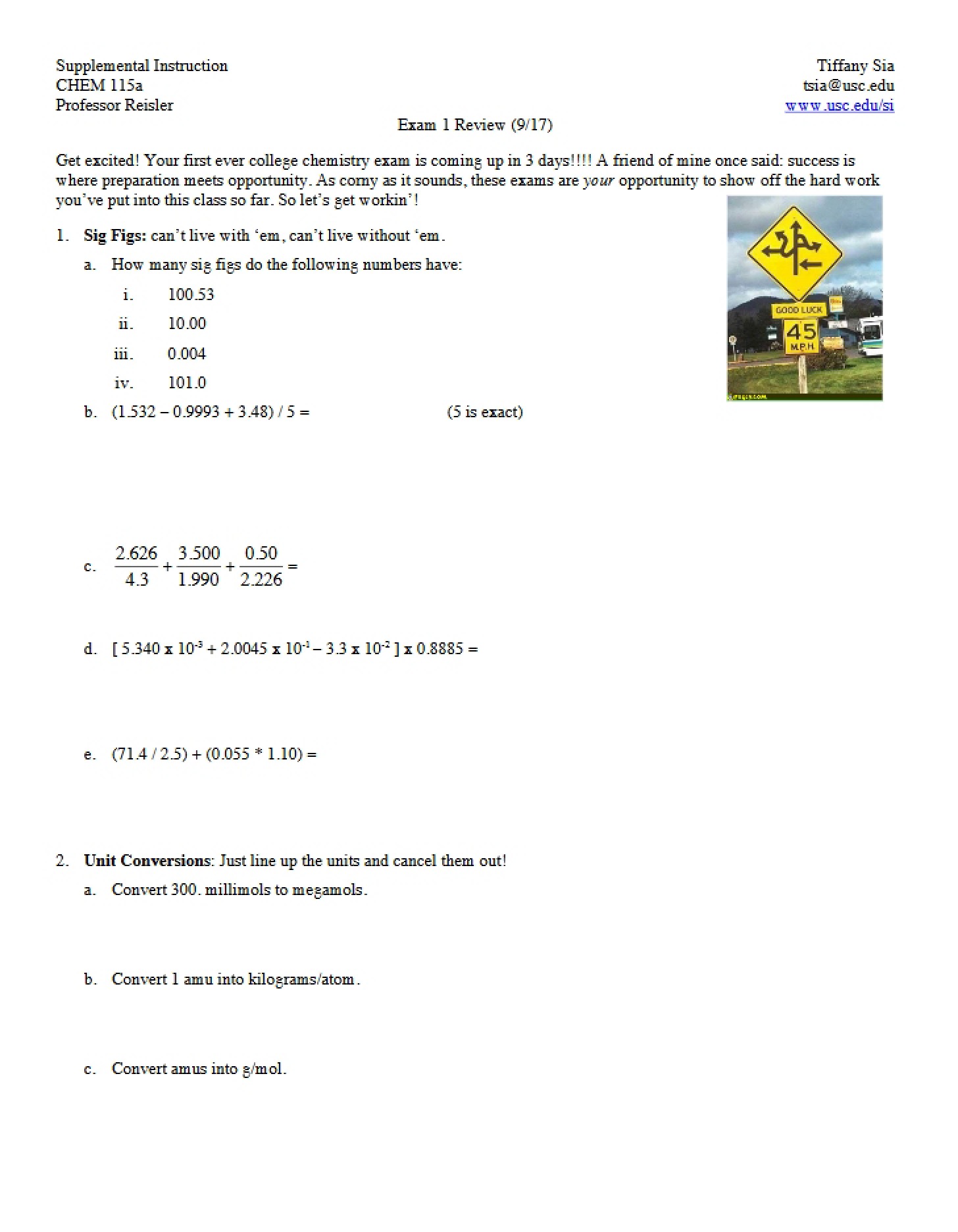
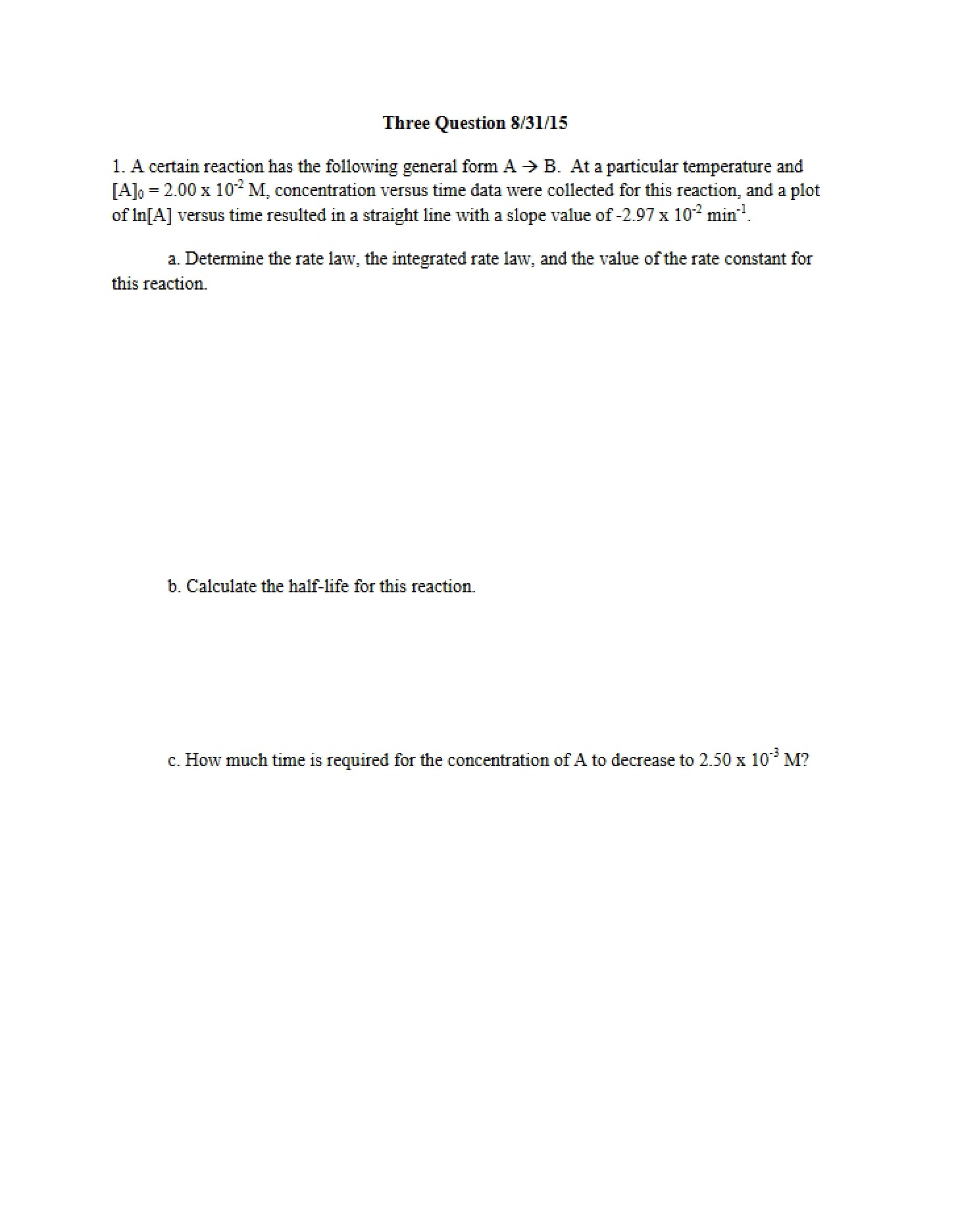
This document is a practice exam for CHEM 105, General Chemistry, at the University of Southern California. It’s designed to assess your understanding of foundational concepts covered in the course, mirroring the format and difficulty level of an actual exam. The practice exam covers a broad range of topics typically found in the first exam of a general chemistry sequence.
Why This Document Matters
This practice exam is an invaluable resource for any student enrolled in USC’s CHEM 105. It’s best utilized *after* you’ve thoroughly reviewed lecture notes, completed assigned readings, and worked through example problems. Using this exam to self-test will help identify areas where your understanding is strong and pinpoint topics requiring further study. It’s a crucial step in preparing for high-stakes assessments and building confidence in your problem-solving abilities. Students who actively engage with practice exams generally perform better on the real exam.
Common Limitations or Challenges
This practice exam is a *sample* assessment. While representative of the course material and exam style, it does not encompass *every* possible topic or question type that may appear on the actual exam. It is not a substitute for attending lectures, completing homework assignments, or seeking help from your professor or TA. Furthermore, this document does not include detailed explanations or solutions – it’s designed to test your existing knowledge, not teach you new concepts.
What This Document Provides
* A variety of problem types common to introductory chemistry, including calculations and conceptual questions.
* Questions relating to atomic theory and its foundational principles.
* Problems involving nomenclature (naming compounds) and formula writing.
* Practice with stoichiometric calculations and significant figures.
* Unit conversion exercises, requiring application of dimensional analysis.
* Questions assessing understanding of isotopic composition and ion formation.
* Balancing chemical equations.
* Problems related to empirical and molecular formula determination.
* Limiting reactant and percent yield calculations.
* A periodic table for reference during your practice session.